






How to Pack Silk and Linen Together Without Snags, Creases, or Colour Transfer
Packed together without care, silk can snag on coarser linen fibres, fine creases form under compression, and dyes may transfer between garments. How can you prevent these issues while preserving both fabrics' breathability, crease resistance, and a ready-to-wear finish?
This post explains how to inspect and mend snags, assess fibre behaviour and compatibility, use breathable protectors, and pack with cushioning to prevent both snags and compression. Follow these practical steps to organise garments by sensitivity, preserve delicate finishes, and gently refresh and reshape each piece on arrival, so silk and linen retain their drape and sheen.

How to inspect garments and repair snags for long-lasting wear
Lay each garment flat in bright, even light and inspect seams, hems, buttonholes, cuffs, underarms, and trims for loose threads, pulls, or thinning fabric. Photograph any faults so you have a clear record for repairs. To test for colour transfer on darker pieces, place a clean white cotton square beneath the fabric, dampen a white cotton swab, and rub an inconspicuous area. If dye lifts, the garment may stain others; pack it separately, avoid warm water, and either rinse in cold water or take it to a professional cleaner before packing.
For a pulled thread in silk, work the loop back to the inside of the garment using a blunt needle or a fine crochet hook. Smooth the right side gently with your fingers, then secure the loose tail with a single tiny stitch of matching thread. With linen, tighten the weave by adding small, evenly spaced mattress or whip stitches, taking care not to create bulk on the face of the fabric. To repair small seam failures, trim any frayed edges and back the gap with a narrow stabiliser or a square of similar-weight fabric. Catch the seam margins with close, even backstitches so the repair lies flat and sits discreetly within the seam allowance. Press repaired areas on a low heat setting, testing an inconspicuous corner first to confirm the fabric tolerates the temperature. Finally, check every mend by applying gentle stress to the area. Bury trimmed thread tails into the seam allowance, or use a tiny drop of water-based fabric sealant to inhibit further fraying. Anchor any loose trims with extra stitches so they will not snag neighbouring pieces during wear or transit.
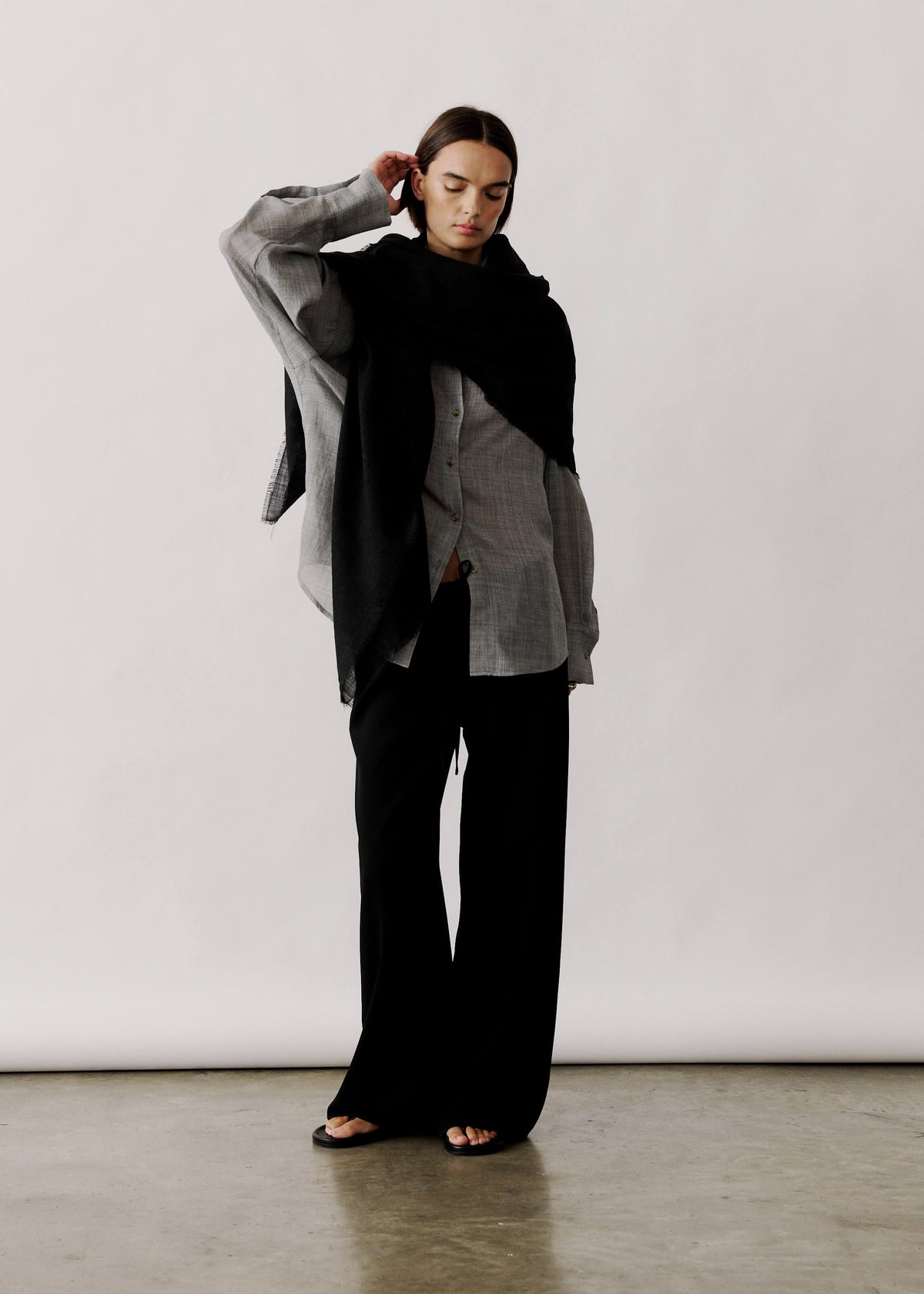
Layer a lightweight, breathable shirt to protect delicate pieces

Assessing fibre behaviour and compatibility for sustainable garments
Silk’s smooth filament fibres are vulnerable to the coarser bast fibres and slubs in linen. Before packing, run your fingertips along seams and the fabric face to detect raised yarns, loose threads, or rough slubs that could snag delicate silk in transit. Treat embroidered panels, trims, buttons, and zips as concentrated abrasion points; position garments so these features face inward, or cushion them with tissue or a soft layer of fabric. Check care labels and shrinkage tendencies, because linen commonly relaxes and shrinks more than silk when wet, and mixing recommended treatments increases the risk of distortion or colour bleeding. Finally, sort garments by care to minimise handling and reduce the chance of needing remedial treatment.
Before packing, perform a quick colourfastness check: press a damp white cloth against a concealed seam or hem. Any dye on the cloth signals a risk of staining when fabrics touch or when humidity rises. Bear in mind that linen absorbs and releases moisture far more readily than silk, which can lead to damp patches and encourage transfer of salts or dye between layers. For long journeys, ensure garments are completely dry and interleave them with breathable barriers to avoid prolonged contact.
Prefer silk-cotton pieces for gentler, compatible packing.

Choose breathable protectors and organise bedding by skin sensitivity
Sort garments by sensitivity and colourfastness. Keep silk and other delicates separate from linen and textured fabrics, and keep darks apart from lights to minimise abrasion and dye transfer. Wrap each silk piece in a breathable layer, such as cotton muslin or acid-free tissue. Smooth the fibres and tuck the tissue into folds to distribute pressure and prevent sharp creases. This protective layer shields silk's fine surface from rougher linen, lowering the risk of snags, since silk fibres are considerably finer than linen's slubby yarns.
Use breathable organisers such as mesh packing cubes, cotton garment bags, or linen pouches to keep different fabrics separate while allowing airflow. Avoid sealed plastic bags, which can trap moisture and encourage dye transfer or mildew. Pack silk in the centre of the suitcase, cushioned between soft items like folded underwear or pyjamas, and place linen around the edges so its coarser texture forms a protective buffer rather than rubbing directly on silk. Ensure garments are clean, completely dry, and colourfast before packing, since residual oils, detergent, or loose dye increase the risk of transfer. If colourfastness is uncertain, dab a hidden seam with a white cloth to check for bleed, and wash garments according to their care labels to prevent set creases and lingering residues.
Breathable packing and protection for silk, linen and delicates
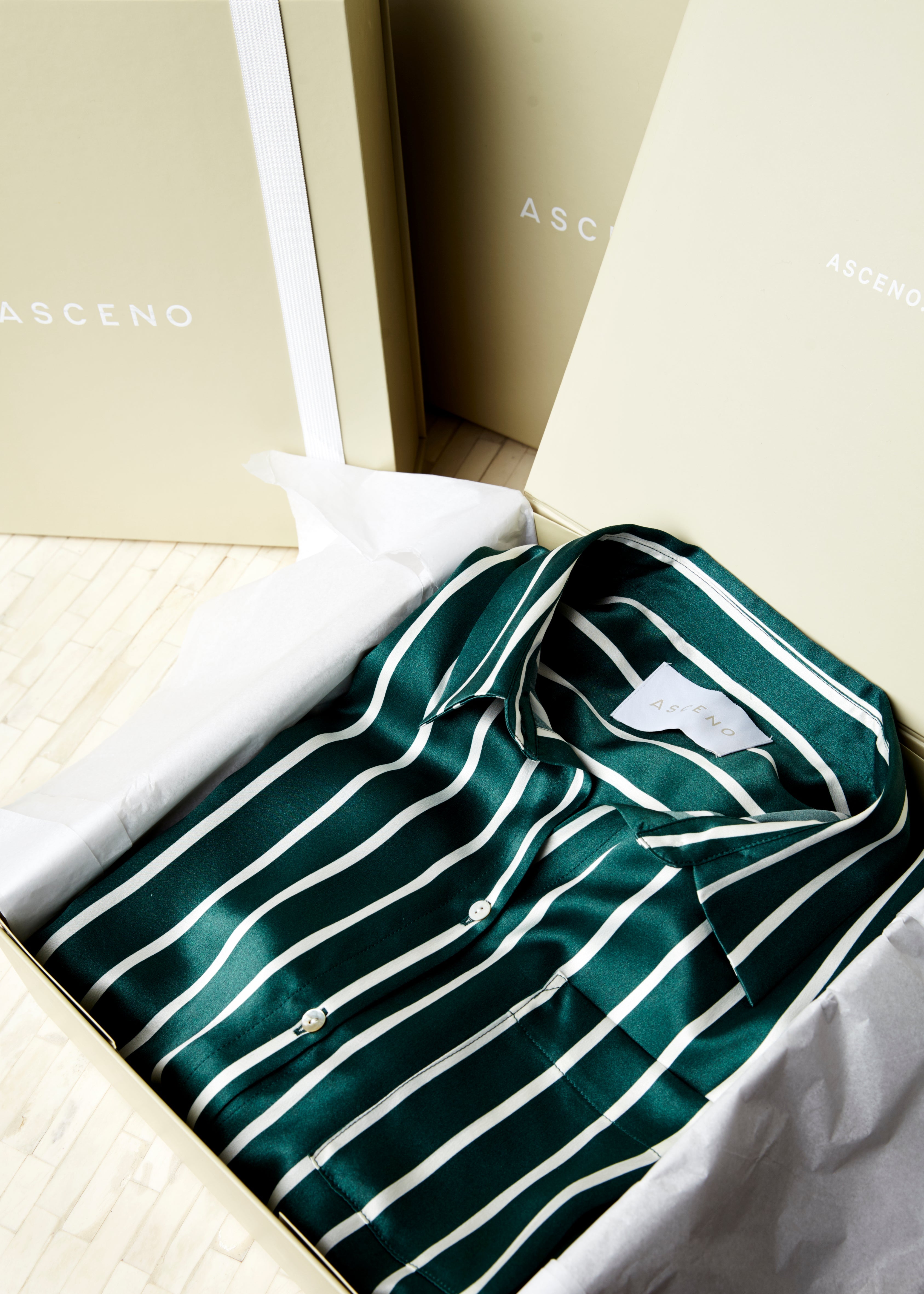
- Wrap silk in cotton muslin or acid free tissue, smoothing fibres and tucking tissue into folds to distribute pressure and prevent sharp creases; fold along natural seams and keep silk separate from linen and other textured fabrics to avoid snags.
- Use breathable organisers such as mesh packing cubes, cotton garment bags, or linen pouches to keep fabric types apart while allowing airflow, and avoid sealed plastic bags that can trap moisture and increase dye migration or mildew.
- Pack only clean, fully dry, colourfast garments; confirm uncertain colours by dabbing a hidden seam with a white cloth and launder to care labels to remove oils or detergent residue. Place silk in the suitcase core cushioned between soft items like folded underwear or pyjamas, and position linen and coarse items around the edges so they act as a buffer rather than rubbing directly on delicate surfaces.
- Carry a compact emergency kit: a fine needle, matching thread, small scissors, safety pins, travel stain remover, and a few sheets of acid free tissue. For snags, coax fibres back with a needle instead of cutting, blot moisture and air dry flat for quick drying, and use soft padding such as a rolled T shirt for temporary protection.

Pack garments with soft cushioning to avoid snags and compression
Lay heavier linen beneath lighter silk and add a thin padding layer to prevent coarse linen slubs from abrading the silk's surface. Wrap each silk piece in acid-free tissue, cotton muslin, or the garment's own soft lining to reduce fibre-to-fibre contact and the friction that causes snags. Turn garments inside out, fasten buttons and zips, and gently stuff sleeves and collars with soft cotton or tissue to preserve shape and protect pressure points.
When packing, test for colour transfer by pressing a damp white cotton square against an inconspicuous area of the linen. If colour transfers, keep those pieces separate or add an extra barrier layer. Roll silk loosely into padded tubes or cushion garments with folded tissue, and use shaped supports to preserve contours. Fill empty spaces with tissue or soft padding to prevent shifting, and avoid overpacking so garments retain their loft and resist permanent compression. These steps reduce abrasion, dye migration, and crushing, while breathable layers keep fabrics ventilated.
Pack a lightweight wrap to cushion and separate garments

How to refresh and restore shape to garments on arrival
On arrival, remove fastenings and hang garments immediately. Hang silk inside out on a padded hanger, and linen on a broad-shouldered hanger, so gravity smooths travel creases while padded support prevents shoulder bumps and reduces friction that causes snags. Use steam to relax the fibres rather than pressing hard: hang items in a steamy bathroom or hold a steamer a short distance away, and steam from the reverse or through a cloth to protect the silk's sheen; linen tolerates stronger steam. Reshape while the fabric is humid by misting with plain water or a very dilute fabric conditioner, smooth seams, collars, hems, and sleeve shapes with your hands, then air dry on the hanger to set a cleaner silhouette without heavy pressing.
Silk and linen require different finishing techniques to avoid snags, staining, and loss of shape. While handling silk, keep it away from rough surfaces, metal trims, and heavy jewellery, and fold finished pieces with acid-free tissue when stacking to prevent creases and transfer. Place linen on a clean, dry surface to avoid dye or oil transfer, since both fabrics pick up abrasive particles and colour more readily when damp. When pressing, test an inconspicuous patch first: press silk on the reverse through a pressing cloth at a low temperature, using brief, light touches to protect the long filaments; press linen slightly damp with steam and firmer pressure to restore crispness, as its open weave tolerates more heat and moisture. Controlled heat, minimal pressure, and gentle hand-shaping preserve silk fibres and allow linen to regain structure without compression or unwanted transfer.
Careful inspection, meticulous mending, and sensible separation allow silk and linen to travel together without snags, compression, or dye transfer. These steps address the underlying causes, including fibre abrasion, moisture migration, and pressure points, ensuring garments arrive breathable, shapely, and ready to wear.
Follow the headings in this post: inspect and mend; assess fibre behaviour; use breathable protectors and cushioning; then refresh and reshape on arrival. Doing so curbs rubbing damage and colour migration, and helps restore a garment's silhouette with minimal pressing. Simple testing, layered protection, and gentle finishing preserve colour, maintain the fabric's hand, and keep the original fit.


Leave a comment
This site is protected by hCaptcha and the hCaptcha Privacy Policy and Terms of Service apply.