




3 Ways to Choose a Timeless, Sustainable Gift She Will Reach For Often
Choosing a gift she will actually wear can feel like aiming at a moving target. Shifting tastes, uncertain sizing and disposable fabrics mean thoughtful presents often remain unworn or tucked away, squandering both sentiment and resources.
Let her signature style and daily rituals be your guide. Prioritise sustainably sourced materials with clear provenance, and choose versatile, timeless pieces she will reach for again and again. These practical steps will help reduce waste, honour her habits and increase the likelihood your gift becomes a genuine everyday favourite.

1. Map her signature style and daily routines to cultivate a considered wardrobe
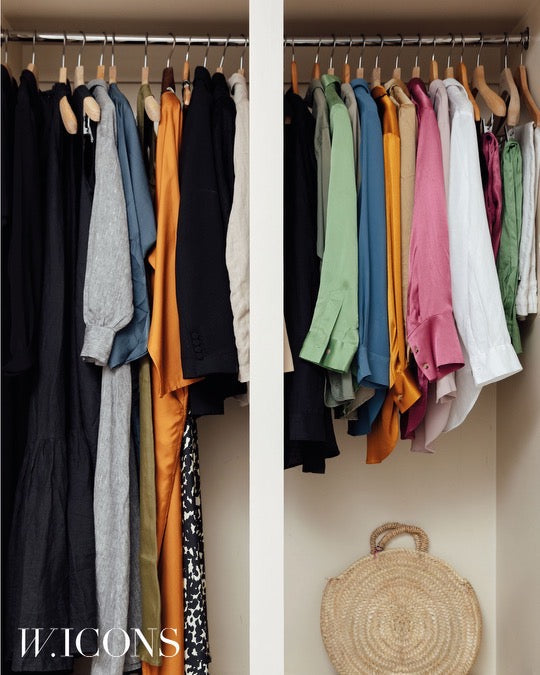
Begin with a wardrobe audit to identify recurring pieces, colours, silhouettes and fabrics. Signs of frequent wear, such as scuffed heels and pilling, reveal the items she reaches for most; photograph these favourites and note the pieces she wears each week. Map daily contexts to function by recording where she spends most of her time, and catalogue what she carries and uses in each setting so that utility and style can be aligned.
Catalogue accessory habits and wear patterns, noting stacked rings, a single pendant, mixed metals or a favourite scarf. Observe how items are fastened and stored to guide choices around closures, lengths and metal tones. Attend to care and maintenance cues, such as machine-wash labels, garments marked dry clean only or carefully conditioned leather, as these details reveal whether she prefers low-maintenance pieces or enjoys items that require attention. Gather information discreetly by introducing casual topics, browsing magazines or boutiques together, or asking open-ended questions about her preferences. Distil your findings into a concise style brief that lists sizes, favourite colours, disliked details and three go-to outfit combinations.

2. Prioritise responsibly sourced materials with clear, verifiable provenance
Request provenance and documentary evidence, such as country of fibre origin, processing mill names or locations, batch numbers, mill certificates and QR code traceability maps, so you can verify sustainability claims rather than rely on marketing copy. Opt for materials that combine low environmental impact with lasting wear, favouring long-staple cotton, linen, silk, recycled wool or certified recycled synthetics. Prioritise fabrics that resist wear and pilling so garments remain useful for longer. Seek single-material construction and repair-friendly details, such as visible stitching, replaceable fastenings and simple linings, to make mending, recycling or repurposing easier.
Check precisely what each certification audits, since some cover only fibre content and chemical management while others include social audits or specific production stages. Before purchasing, look for clear care and end-of-life information such as wash instructions, repair guidance and stated take-back or recycling options, as these details indicate thoughtful design for longevity. If that information is absent, ask the retailer for guidance on cleaning, mending and disposal, and request supporting documentation for any supply-chain claims. Choosing traceable materials and repair-friendly construction reduces the need to replace items prematurely and provides tangible ways to assess a product’s sustainability.

3. Choose versatile, timeless pieces you will reach for again and again
Match the new piece to at least three items she already wears by comparing colour, pattern and the cut of two favourite pieces to ensure it will slot seamlessly into her wardrobe. Choose classic silhouettes and a versatile palette that bridge casual and smart, so the piece can be dressed up or down and complements the dominant tones. Favour dense natural fibres, robust stitching, quality metal fittings and components that can be removed or replaced, so the item can be cleaned, mended or serviced rather than discarded. These practical checks reveal whether a gift will be worn often and kept for longer.
Reduce the risk of an ill-fitting gift by measuring a favourite item and choosing styles with adjustable straps, elasticated panels or conventional clasps that allow for small fit variations. Prioritise multifunctional pieces, such as reversible garments, convertible jewellery or accessories that can be worn in different ways, to broaden their use across occasions. Thoughtful coordination, durable construction, flexible fit and convertibility together increase the likelihood she will reach for the gift repeatedly.
Aim for gifts that reflect her signature style, are made from traceable, repair-friendly materials and sit effortlessly within her wardrobe so they become everyday favourites. A simple wardrobe audit, photographing well-loved pieces and noting care labels, reveals the colours, silhouettes and care preferences she favours.
Ask for provenance details, favour single-material and repairable construction, and opt for adaptable silhouettes so a piece stands the test of time, can be mended if needed, and suits a range of occasions. Apply three checks: style mapping, material traceability and versatility. These steps reduce waste, honour the recipient's habits and increase the likelihood the gift will be worn often.



Leave a comment
This site is protected by hCaptcha and the hCaptcha Privacy Policy and Terms of Service apply.