
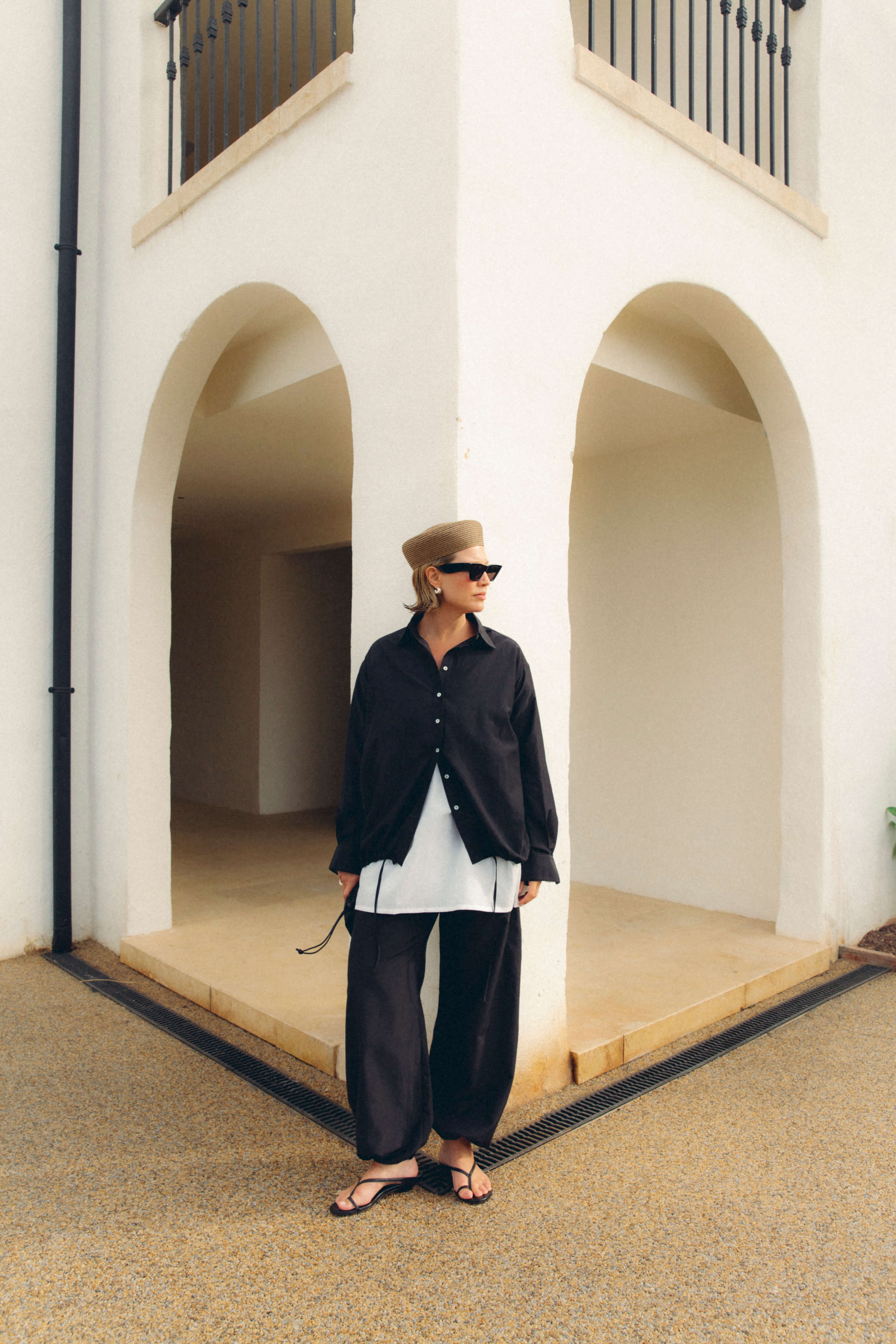

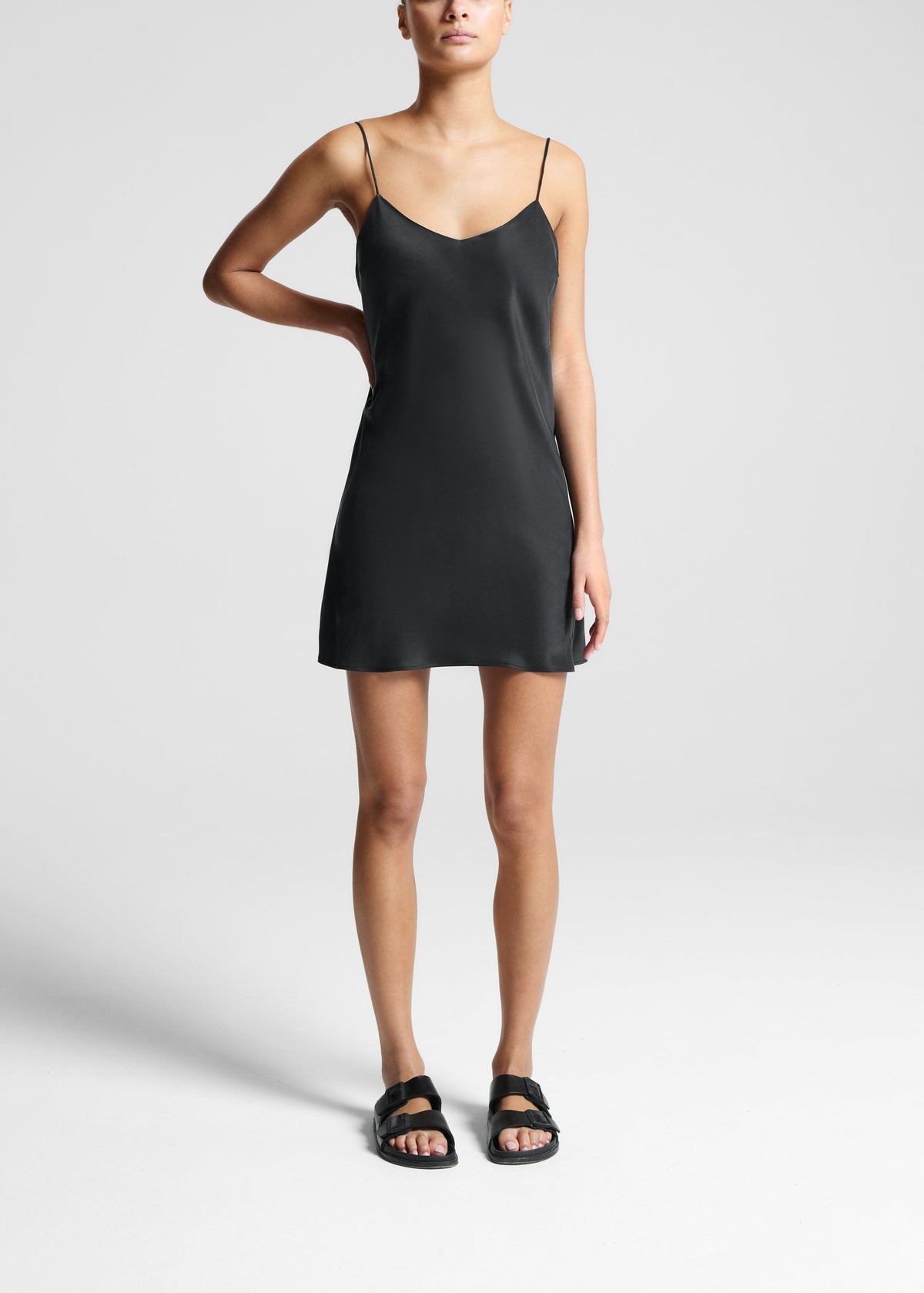
Layering a Black Mini Slip Dress for Smart-Casual, Cocktail, and Formal Looks
The sleek simplicity of a black mini slip dress is undeniably alluring, yet wearing it beyond the bedroom can feel precarious when dress codes shift from smart-casual to formal. How can you retain the dress’s clean silhouette while styling it for a daytime meeting, an evening reception, or a formal event?
This post presents practical, adaptable layering strategies: how to assess fabric, fit, and silhouette, how to shift the level of formality with considered layers, and how to refine each look with accessories, footwear, and finishing touches. Read on for simple swaps and combinations that preserve a dress's essential shape while moving its tone from relaxed to refined, or from understated to glamorous.

How to assess fabric, fit, and silhouette for timeless elegance
Assess the fabric, fit, and silhouette. Hold the slip against your body, then walk and sit in it to judge weight, opacity, and drape, because a clingy jersey will gather and cling in different places than a heavier satin. Measure the ease at the bust, waist, and hips, and test movement; if the slip is close-fitting, avoid bulky layers that restrict motion, or add a belt or a fitted jacket to oversized shapes to restore proportion. Note whether the slip is bias cut, straight column, or A-line, and choose complementary overpieces that introduce structure or elongation without obscuring the dress line.
Plan layers by fabric weight and silhouette: begin with a slim base layer, add a light knit or tailored blazer, then finish with outerwear. Keep bulk away from the natural waist so the slip can move freely and the silhouette remains fluid. With slippery fabrics, favour smoother, more structured overpieces — they reduce friction and prevent the slip from clinging. For sheer or very lightweight slips, choose slim underlayers that minimise visible lines without adding volume. Inspect finishings and adapt details to the occasion: swap straps or cups for support, shorten or lengthen the hem to suit proportions, and match hosiery sheen to the dress fabric so surfaces read consistently. Finally, select accessories and footwear that echo the slip’s texture and scale; small, delicate accents will keep the look relaxed, while bolder, polished pieces will elevate it from smart casual to cocktail or formal.

How to adjust formality through strategic layering for effortless elegance
A structured blazer or tailored jacket lends authority to a satin mini slip dress. Choose a length that sits at the hip or mid-thigh to balance the dress, roll the sleeves to reveal shirt cuffs for a considered, slightly undone finish, and swap flats for pointed heels to move the look from smart-casual towards cocktail or evening wear. Layering changes both coverage and silhouette: a crisp white shirt or a fine-gauge roll-neck under the slip introduces visible collars and cuffs that read daytime-tailored, while a silky blouse in a tonal shade feels more dressed-up for an evening moment. Outerwear controls proportion: a longline coat or tailored overcoat smooths the mini break and creates a streamlined, formal outline, whereas a cropped leather jacket or bomber preserves a relaxed, youthful edge. Use texture to signal intent. Pair satin with matte wool or cashmere to elevate the outfit, add velvet or subtle sequins for cocktail appeal, or combine the slip with worn leather and a chunky knit for a more casual tone. These small choices—length, layering, outerwear, and texture—determine whether the same dress reads refined, relaxed, or decidedly dressy.
Finish with considered accessories and intentional details. Hosiery, belts, shoes, and jewellery materially change how a dress reads: sheer black tights deepen and lengthen the leg for evening, while opaque tights suit daytime. A slim waist belt breaks the silhouette, creating the illusion of separates and defining the waist. For formal occasions, favour minimal, polished jewellery and structured shoes; for smart casual, choose bolder accessories and chunkier soles to ground the look and keep it contemporary.

Complete every look using curated accessories, footwear, and final touches
For a smart-casual look, anchor the slinky black mini with a cropped denim or utility jacket, or a chunky knit or cardigan, and pair with flat ankle boots or loafers. Cinch the waist with a narrow leather belt to restore balance, and keep jewellery minimal, opting for studs or a slim pendant so the outfit reads relaxed yet intentional. For cocktail occasions, raise the formality with a fitted blazer or a bolero that hits the natural waist, switch to strappy heels or heeled mules, and carry a compact clutch. Choose a single focal accessory, such as drop earrings or a statement ring, to avoid visual clutter. Where the neckline allows, layer a delicate necklace only if it complements, rather than competes with, the chosen focal piece.
Create a formal evening look by pairing the dress with a longline, tailored coat or a structured evening jacket. Add sheer hosiery and closed-toe, pointed pumps, and finish with classic jewellery such as pearls or single-stone studs. Match shoe silhouettes to outerwear length: favour lower, chunkier soles or loafers for daytime ease, mid or high heels for cocktail uplift, and closed-toe pumps for formal refinement to maintain balanced proportions. Unify the look by matching the metal of bag hardware and jewellery, repeating a single accent colour in shoe, bag, or lip, and limiting shine by pairing one sheen with matte textures rather than many. Use accessories that adjust coverage and tone without changing the core dress — for example, hosiery, a thin belt, or a silk scarf — and keep hair and clutch choices streamlined to signal eveningwear.
A black mini slip dress becomes a versatile wardrobe anchor when you assess fabric, fit, and silhouette, then layer with slim, structured pieces that preserve its clean line. Small swaps, such as a tailored blazer, a fine-gauge roll-neck, or a longline coat, shift the mood from smart casual to cocktail or formal by altering proportion, texture, and coverage.
Use the three headings as a practical checklist. First, assess fabric and fit — note how the material drapes and whether the cut skims or defines the body. Next, adjust layers to manage proportion and sheen, choosing lighter, matte layers to mute shine or structured pieces to elevate formality. Finally, refine with hosiery, belts, and jewellery to direct emphasis and balance the silhouette. Applied as small, deliberate swaps, these steps let a single dress move seamlessly from smart casual to cocktail to formal occasions while preserving its core shape.

Leave a comment
This site is protected by hCaptcha and the hCaptcha Privacy Policy and Terms of Service apply.