


10 Layering and Accessory Tips to Elevate a Silk Dress from Day to Evening
Wondering how to take a silk dress from casual daywear to evening-ready without losing its effortless elegance? This guide presents ten practical layering and accessory techniques to shift the mood, balance proportions, and adjust coverage with confidence.
To do that, learn to read silk weight and weave to judge drape and opacity, choose colours and patterns with intent, add discreet underlayers, and swap daytime flats for evening heels to shift formality. Finish with concise checks on tailored outer layers, textural contrast, waist definition, and jewellery choices, then complete a final hair, makeup, and fit check to ensure the look reads as evening-appropriate.

1. Assess silk weight, weave, and finish to judge quality and drape
Try three simple at-home tests. Gently scrunch a fabric swatch between your fingers to feel its recovery and weight; quick recovery suggests body that will hold shape, while slow recovery indicates a softer, more fluid cloth. Hold the fabric up to the light to assess opacity and weave tightness; a loose weave or visible gaps often means you will need a slip or a sewn-in lining for evening wear. Finally, let a length fall from your hand to observe drape and movement; heavy silk that recovers slowly will sit neatly under structured jackets, whereas lightweight, fluid silks will skim and move with the body. Use these tactile clues to judge whether a dress will tolerate belts, fastenings, or fitted outerwear without puckering, and choose underlayers that match the fabric's behaviour so the silhouette sits as intended.
Begin by identifying the fabric family. Finish and weave largely determine how a dress will behave. Satin and charmeuse offer a glossy, fluid drape that suits sleek overlays. Crepe de chine and twill add texture and retain shape in layered silhouettes. Chiffon and georgette are translucent and require internal structure, such as a full lining or discreet underlining. Surface finish also affects friction and styling: glossy silk can slip beneath belts or jackets, while matte silk holds jewellery and outerwear more reliably. Protect delicate weaves with reinforced seam allowances and discreet interlining at the bodice. Test colourfastness on a fabric scrap before pairing garments with metal accessories. Preserve sheen by steaming gently rather than pressing harshly.

2. Balance silhouette and proportion for a flattering, timeless fit
Create a clear focal point by cinching the waist with a narrow belt, choosing a tailored blazer, or wearing a cropped jacket that finishes at the natural waist. These choices reshape a slouchy silk dress and make the waist-to-hip ratio read more clearly in photographs. Contrast volumes to avoid visual overwhelm: pair a full or bias-cut silk skirt with a structured, fitted top layer, or balance a slim slip dress with a softly oversized cardigan belted at the waist so the outfit keeps its shape rather than appearing swallowed. Match accessory scale to the garment by considering necklace length, earring size, and bag proportions alongside the neckline and overall volume. A long pendant suits higher necklines, a small clutch complements a delicate silhouette, and a larger bag will compete with lightweight silk.
Consider hemline and footwear as a single decision: match shoe height and style to dress length so the leg line reads proportionate. Low heels or ankle boots keep movement visible on a midi, while chunkier shoes anchor shorter hems without visually shortening the torso. Use layering to control vertical lines. For elongation, favour one uninterrupted vertical by pairing a longline coat with an ankle-skimming dress. To create a deliberate separation and define the waist, introduce a cropped layer. Those same choices guide accessory scale and silhouette balance. A clear vertical or a defined waist lets jewellery and bags read as intentional rather than competing with silk. Small adjustments — belt placement, shoe selection, or jacket length — will translate a casual daytime dress into an evening-appropriate look by shifting proportion and focus.

3. Select colours and patterns to build a timeless, versatile wardrobe
Limit each outfit to a simple two- to three-colour palette. Keep the dress as the dominant hue, introduce a single accent through accessories or shoes, and anchor the look with a neutral layer to minimise visual noise. Use colour temperature to guide your choices: warm tones such as ochre and rust sit naturally beside warm complexions, while jewel blues and emeralds flatter cool complexions; matching temperature appears seamless, contrasting temperatures produce sharper definition. For patterned silk, remember that small, closely spaced prints read as casual in daylight, whereas larger motifs or higher-contrast prints feel more dramatic in evening light. Either ground a busy print with a solid coat, or echo one colour from the pattern in a single accessory.
Choose accessory finishes deliberately. Shiny metallics, patent, and high-sheen fabrics catch and reflect light, giving presence in low lighting, while matte metals and soft leathers absorb light and read more understated. For cohesion, match the metal tone to the dress's colour temperature, for example warm gold with warm-tinged fabrics and cool silver with cooler palettes, or select a contrasting metal to make a single piece pop in photographs. Try combinations in the actual lighting you expect for the evening and photograph them to observe how colours shift on camera. If hues flatten or clash, deepen one element with a darker jacket, or add a saturated accent to restore depth and focus.

4. Add discreet underlayers to maintain elegant, confident coverage
Choose a lightweight slip cut on the bias (cut diagonally so it follows the fabric’s natural drape) in a skin-colour or matching tone to reduce sheerness without flattening the silk. Test the combination in daylight and while walking to ensure the slip preserves movement and silhouette. For a sleeker fit, opt for a fitted, breathable bodysuit or a low-profile shaping camisole to smooth lines and support the bust without adding bulk; favour seamless finishes and minimal straps so the underlayer remains invisible under clingy silk. For backless or thin-strapped styles, use adhesive cups, a strapless stick-on bra, or a low-back converter. Apply adhesive pieces to clean, dry skin for reliable hold, and remove any residue gently with oil to protect the fabric.
Add thigh-length liners or silicone anti-chafe bands inside high slits to prevent accidental exposure and reduce rubbing. Treat underlayers with a fabric-friendly anti-static solution, such as a light mist formulated for delicates, to stop cling and preserve the dress's fluid silhouette. Install temporary, removable lining panels at the bust, skirt, or hem, using either stitched-in lightweight cotton or snap-in silk panels to customise coverage and protect the fabric from perspiration and deodorant marks. These simple measures let a dress convert quickly between daywear and eveningwear while maintaining movement, shape, and the integrity of fine fibres.

5. Swap daytime flats for refined evening heels to elevate your silhouette
Choose heel height with the dress length and silhouette in mind. Raising the heel lifts the hem, alters posture, and changes how silk drapes, creating a more evening-ready silhouette. Choose a heel shape for both function and effect: a stiletto elongates and reads as sleek, a block or wedge provides steadier footing and longer wear, and a kitten heel delivers refined comfort. The heel base and profile also influence stability and movement, so match the shape to the evening's activities.
Consider colour and material to create continuity or deliberate contrast. A tonal shoe will visually lengthen the leg, a darker shoe will anchor a light dress, and a metallic or satin finish will echo silk's sheen, signalling intentional evening styling. Use straps and toe lines to control proportion and security: pointed toes and low-cut vamps extend the leg line, while ankle straps keep the foot in place. Note that high ankle straps can shorten the leg, so position them where they flatter your proportions. For comfort without sacrificing polish, break new heels in briefly, add discreet cushioning or tape to prevent hot spots, and carry a compact heel-repair kit or an alternative low shoe if the evening involves prolonged standing. Taken together, these choices refine the outfit and keep you mobile, allowing a silk dress to appear evening-appropriate while remaining comfortable.

6. Add tailored layers for an instantly polished finish
Choose a structured blazer with defined shoulders and a clean lapel to counter silk's fluid drape. A single-breasted jacket that nips in at the waist looks more tailored, while a cropped blazer that hits the hip balances a longer dress; keep sleeve length in mind so cuffs and bracelets remain visible. Layer a fitted waistcoat or tailored corset over the dress, fastening it fully to clarify the waistline and transform a relaxed slip into an evening-appropriate outfit without hiding the fabric's sheen. Small tailoring adjustments — taking in seams, shortening or lengthening sleeves, adding subtle shoulder shaping, or altering hemlines — will redefine how the dress sits and improve proportion for an immediate upgrade.
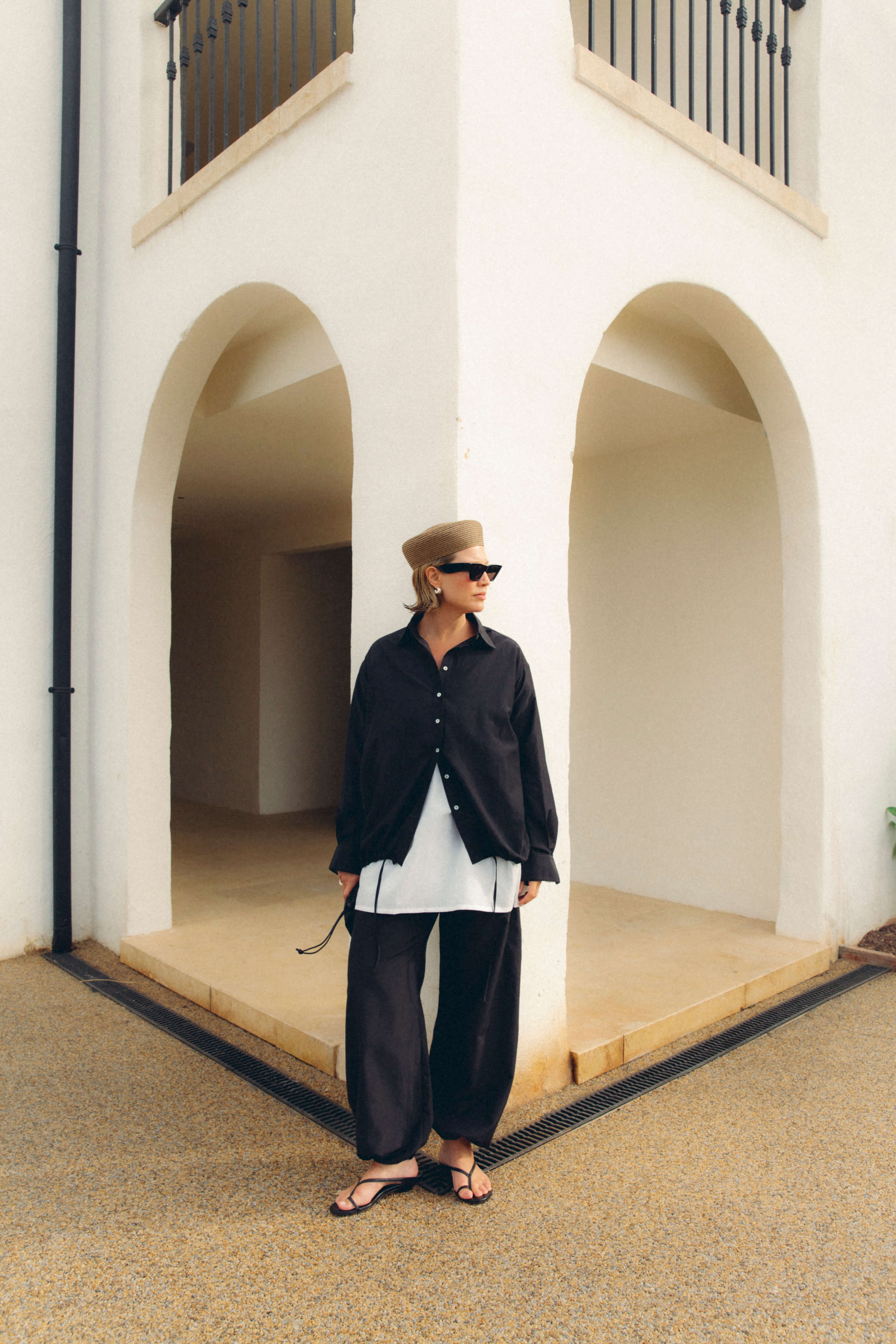
Layer a longline, streamlined coat or duster to introduce polish and a quiet sense of drama. Choose a piece that skims the body rather than billows. Match the coat hem to the dress length to maintain clean proportions and prevent bulk at the hem. Slip a crisp, tailored shirt beneath a strappy silk dress to add structure at the collar and cuffs; a visible collar frames the face, while pressed cuffs punctuate the wrist. Fasten to the neckline you prefer to control how much silk remains visible, keeping the fabric a considered focal point.

7. Add textured pieces and knits to create layered depth
Layer a fine-gauge cashmere or merino knit over or under a silk dress to preserve the silk's drape and add warmth without bulk. Tuck the knit, or secure it with a narrow belt, to maintain the dress's original silhouette. For stronger textural contrast, set silk's smoothness against a chunky cable or an oversized jumper that is shortened or cropped and belted so the volume emphasises the skirt rather than swallowing it. Thin, textured layers such as a ribbed roll-neck beneath a slip dress, or a knitted scarf, add modesty and versatility because they can be removed to reveal the dress's original lines.
Introduce structured, textured jackets, like bouclé or tweed, to add formality and tactile interest. A boxy cut or defined shoulder balances silk's fluidity, while a tonal palette ensures textures do not compete with the fabric's sheen. Layer evening-weight materials such as velvet, suede, and matt leather to deepen the look: velvet catches and diffuses light to emphasise silk's lustre, while suede or matt leather accessories anchor the outfit without adding glare. A narrow belt or tactile accessories at the waist or wrists concentrates texture and builds dimension without overwhelming the dress. The result reads cohesive and adaptable from day to evening, because each textured element either preserves the silk's shape or deliberately contrasts with it.

8. Define your waist with a belt or a subtle cinch
Match belt width to the dress and fabric weight: a narrow belt sharpens a bias-cut slip, while a wider band balances a full skirt and smooths the midsection. Fasten the belt at different heights to alter proportion, at the natural waist for an hourglass silhouette, above the waist to visually lengthen the legs, or beneath the bust for an empire line, and observe how each position shifts the hemline and the shoulder balance. To protect delicate silk, choose belts with smooth backings, slip a slim silk scarf beneath a rough buckle, or use a cloth sash to distribute pressure more evenly. Taken together, they reduce friction and prevent puckering, preserving the fabric's drape and fluid movement.
Cinching with intent sculpts the silhouette and controls movement. Create a blouson effect by drawing fabric above the waist and fastening it, secure a flowing skirt at the hip to reveal footwear, or belt a blazer to anchor layers and preserve a clean line. Treat texture, colour, and closure as deliberate styling tools: set matte silk against glossy leather or a polished metal chain, select an embellished buckle or a tied sash as the focal point, and let one striking fastening replace extra jewellery. With these small adjustments, a silk dress can shift into polished eveningwear while retaining its natural drape.

9. Curate jewellery and accessories to elevate relaxed, everyday outfits
Layer necklaces of varying lengths and textures to introduce depth. Begin with a short choker close to the throat, add a mid-length pendant that follows the dress neckline, and finish with a long, delicate chain to create vertical lines that elongate the torso in evening light. Choose a single focal piece, such as chandelier earrings, a bold cuff, or a gemstone cocktail ring, and simplify surrounding items so each piece reads clearly on camera and in dimmer conditions. Balance polished metals with matte, hammered, or fabric elements to curb glare and add visual interest; a satin clutch or suede belt will soften shine without competing with the garment.
Anchor the look with accessories that refine both silhouette and function. Cinch the waist with a narrow or wide belt to introduce structure and proportion, or layer a cropped jacket or lightweight shawl to balance length and add depth. Choose a compact evening bag that sits close to the body to preserve clean lines and keep focus on the dress. Prioritise comfort and security by opting for lightweight or threaded earrings, and selecting clasps and ring settings with reliable fastenings. Always test new pieces with the dress, move, sit, and walk to ensure they sit and sway as intended.

10. Finish with polished hair, subtle make-up, and a final fit review
Before you leave, test the dress in motion: walk, sit, bend, and cross your legs to reveal any clinging, riding up, or unexpected sheerness that silk may show compared with heavier fabrics. Check yourself in natural and indoor light, and take a quick photograph to catch colour shifts, metallic shimmer, sheer areas, or visible bra lines a mirror might miss. Smooth underwear lines, ensure your bra provides the intended support without visible straps, and run a fingertip along hems and seams to spot puckering or loose threads that could show in photos or under bright light.
Match hair volume and make-up intensity to the neckline and level of embellishment. Pin back loose tendrils and blot excess foundation to prevent transfer. Put on shoes, jewellery, and your bag, then walk and sit to check that chains do not snag, the bag does not distort the waistline, and heel height keeps the hem at its intended length. If the silk shifts, secure straps with fashion tape or add a slip to keep the dress in place through movement. Make adjustments until movement, proportions, and comfort align, and take a final photograph to confirm the outfit appears as intended on camera.
A silk dress becomes evening-ready when you balance weight, proportion, and finish so the fabric retains its movement while presenting a deliberately polished look. Practical, testable steps include checking the weave and opacity, adding discreet underlayers to refine coverage, and swapping flats for heels to alter silhouette and presence without obscuring the silk.
Use the ten headings as a practical checklist: begin by assessing the fabric's weave, then balance the silhouette, choose colour, and introduce layers. Finish with hair and a final fit check to address any weak points before you step out. Photograph the outfit, and make small adjustments to belts, hems, and jewellery until movement, proportion, and comfort feel aligned.


Leave a comment
This site is protected by hCaptcha and the hCaptcha Privacy Policy and Terms of Service apply.