


Make Loungewear Look Effortlessly Polished with Three Minimal, High-impact Alterations
You enjoy the ease of loungewear but worry it reads too casual when you step outside. With a few subtle adjustments you can preserve comfort while refining the lines for a sleeker, more polished silhouette.
In this post we break down three minimal, high-impact tailoring adjustments: adjusting hems and sleeve lengths, refining waist and shoulder fit, and rebalancing proportions. These small changes can transform relaxed silhouettes, and, when combined with simple layering and considered accessories, make outfits feel intentionally styled. The piece also outlines practical care routines and sustainable tailoring choices to help altered favourites last longer and limit wardrobe turnover.

How fit details elevate casual pieces into effortlessly polished looks
Shorten lounge trousers to the ankle, or just above it, then taper the leg gradually by 2 to 4 centimetres from the knee to the hem. The exposed ankle and a narrower line create a tailored silhouette while preserving ease of movement. Reposition the elastic or add a shallow facing to raise or reshape the waistband so it sits at the natural waist or high hip; this smooths gathers and prevents fabric pooling, allowing a relaxed set to read as deliberately styled. Move shoulder seams to the shoulder point and shorten sleeves to the wrist, or to a considered cropped length; reducing excess fabric across the upper arm refines the proportions and improves the garment's overall balance.
Create subtle shaping with one or two small back darts, or by taking in the side seams by 1 to 3 centimetres, while retaining enough ease for comfort and a defined waist. Re-hem with a narrow turned edge, secure seams using a stretch stitch or a twin-needle topstitch, and press to establish crisp lines that prevent gaping and distortion. These stable finishes preserve the garment's shape through wear and indicate intentional construction rather than accidental slumping. Together, modest contouring and careful finishing transform a boxy silhouette into a composed layer that sits neatly beneath structured outerwear or stands alone as a polished outfit.
Taper and elevate relaxed trousers with adjustable hems

Balance silhouette, length, and proportion to create harmonious lines
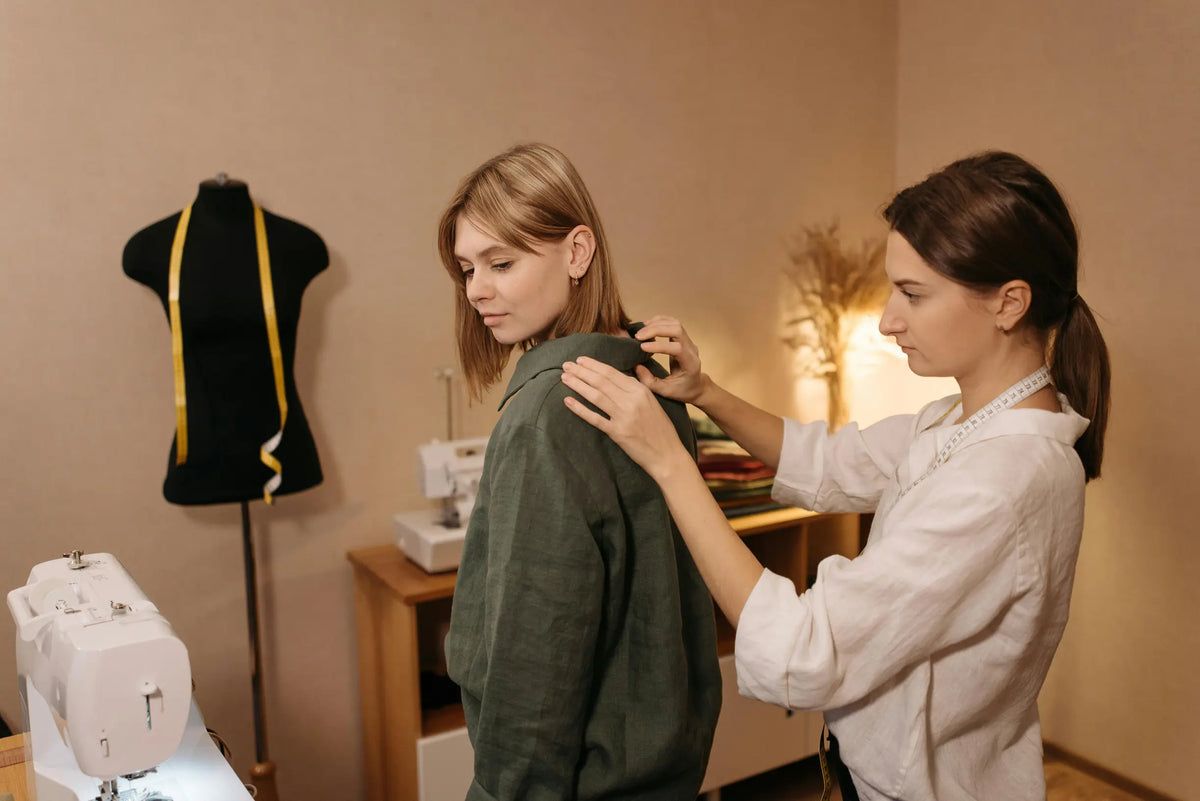
Map key landmarks on the garment, such as the shoulder seam, natural waist, high hip, and hemline, to reveal where the fabric misaligns with the body and to pinpoint areas that sit or catch oddly. With the wearer standing naturally, pin or mark those points with chalk so you can see whether a small adjustment, for example shortening a top by 2 to 3 cm so it sits at the natural waist, will lengthen the leg line without changing overall volume. Photograph the pinned changes to judge the visual effect, rather than relying on feel alone.
Begin by testing the silhouette with temporary tucks, half-tucks, or safety-pin adjustments to see whether a fitted top with relaxed bottoms, or a relaxed top with a sleeker lower half, best balances your proportions. If a neater top proves more flattering, take in side seams or add vertical darts; if the lower half should read sleeker, taper the leg from the knee down for cleaner lines. Set sleeve and trouser endpoints deliberately: sleeves that finish at the wrist bone create a tailored look, three-quarter sleeves reveal a hint of forearm, and showing the ankle gives a modern proportion while a slight break preserves softness. Control proportion through the waistband or rise with small, reversible moves — shifting the elastic, lowering the rise by a small amount, or reducing excess at the shoulder or back with light interfacing or discreet shaping. Photograph each pin test so you can compare options objectively before committing to permanent alterations.
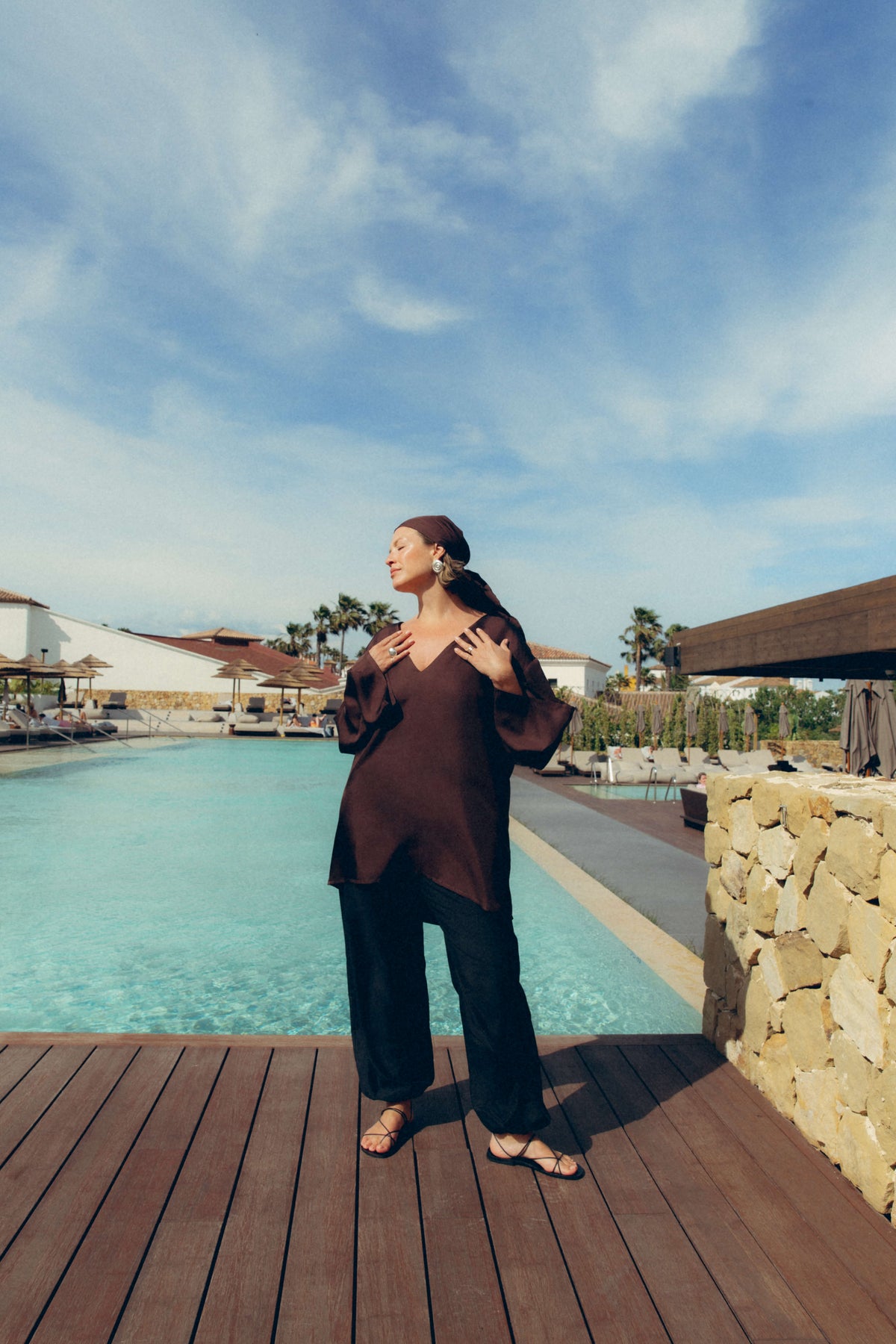
Balance proportions with relaxed mid‑rise silk trousers.

Tailor hems, waists, and sleeves for effortless polish
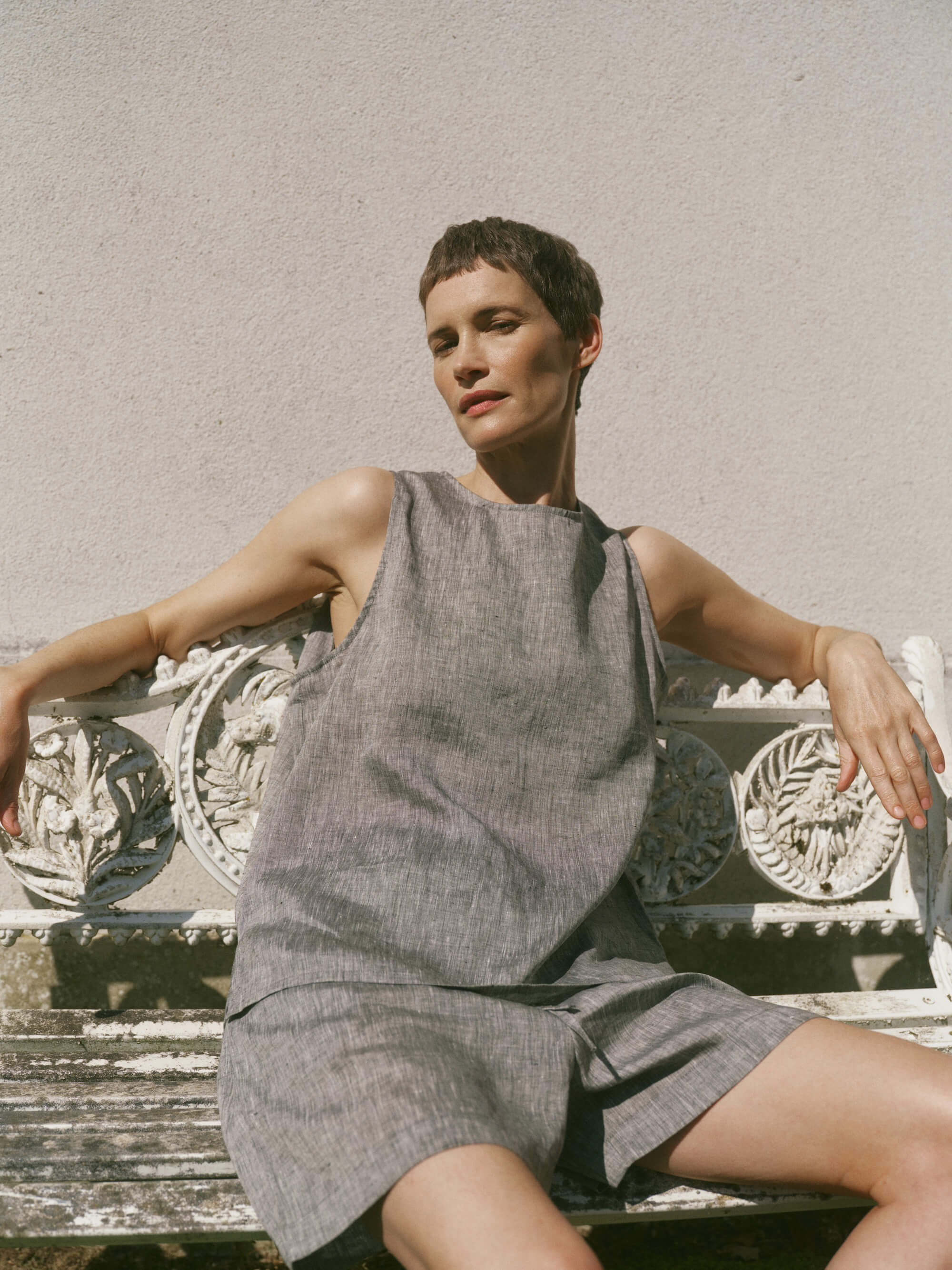
Shorten trouser legs or pyjama hems so the fabric just skims the top of the shoe, preventing puddling and flattening the silhouette. For stretch fabrics, pre-wash to allow for any shrinkage and leave a 2 to 3 centimetre allowance, then use a twin needle or stretch stitch to preserve fabric recovery and avoid visible puckering. Define the waist by taking in the side seams, introducing a narrow elastic casing, or inserting a discreet drawcord. Test any alteration with the garment on and while you move, using safety pins to trial the line before stitching so you can balance shape and comfort. Shorten or taper sleeves to reveal a sliver of wrist, or add a neat ribbed cuff to prevent ballooning at the forearm. A slightly slimmer sleeve reads as intentional tailoring, and an exposed wrist visually lightens the upper body.
Add a single back dart to refine the waistline, trim excess seam allowances to reduce bulk, and topstitch the shoulder and neck seams so the garment lies flat and avoids boxiness. For knitted loungewear, use a ballpoint needle and a stretch stitch; these choices maintain the fabric’s drape and prevent skipped stitches. Make fit alterations while wearing your usual layers and shoes so length and proportion reflect how you will actually wear the piece. Press new hems with a pressing cloth to prevent shine, particularly on delicate fibres, and finish raw edges with an overlocker or a firm zigzag stitch to preserve stretch and durability through repeated washing. These small, considered adjustments keep the silhouette effortless, while improving movement, proportion, and longevity.
Polish hems, waists and sleeves: practical checklist
- Match technique to fibre: pre-wash stretch jerseys and allow 2 to 3 centimetres for shrinkage, then use a twin needle or stretch stitch to preserve recovery and avoid visible puckering; use a ballpoint needle and stretch stitch for knitted loungewear; and choose narrow or blind hems for lightweight wovens to maintain drape.
- Fit changes on the body with your usual layers and shoes: pin or baste side seams, hems and sleeve lines, then test while walking, sitting, and reaching; ensure trouser hems just clear the top of your shoe, sleeves finish just at the wrist or sit neatly at the forearm, and adjust until movement and proportion feel balanced before final stitching.
- Stock a compact toolkit and finish cleanly: twin needle, ballpoint needles, sharp shears, overlocker or zigzag capability, pressing cloth and fine pins. Trim excess seam allowances, topstitch shoulder and neck seams to reduce boxiness, finish raw edges with an overlock or zigzag to preserve stretch and durability, and press new hems with a cloth to avoid shine. Always trial stitches on a scrap first.

Layer and accessorise loungewear for effortless daytime elegance
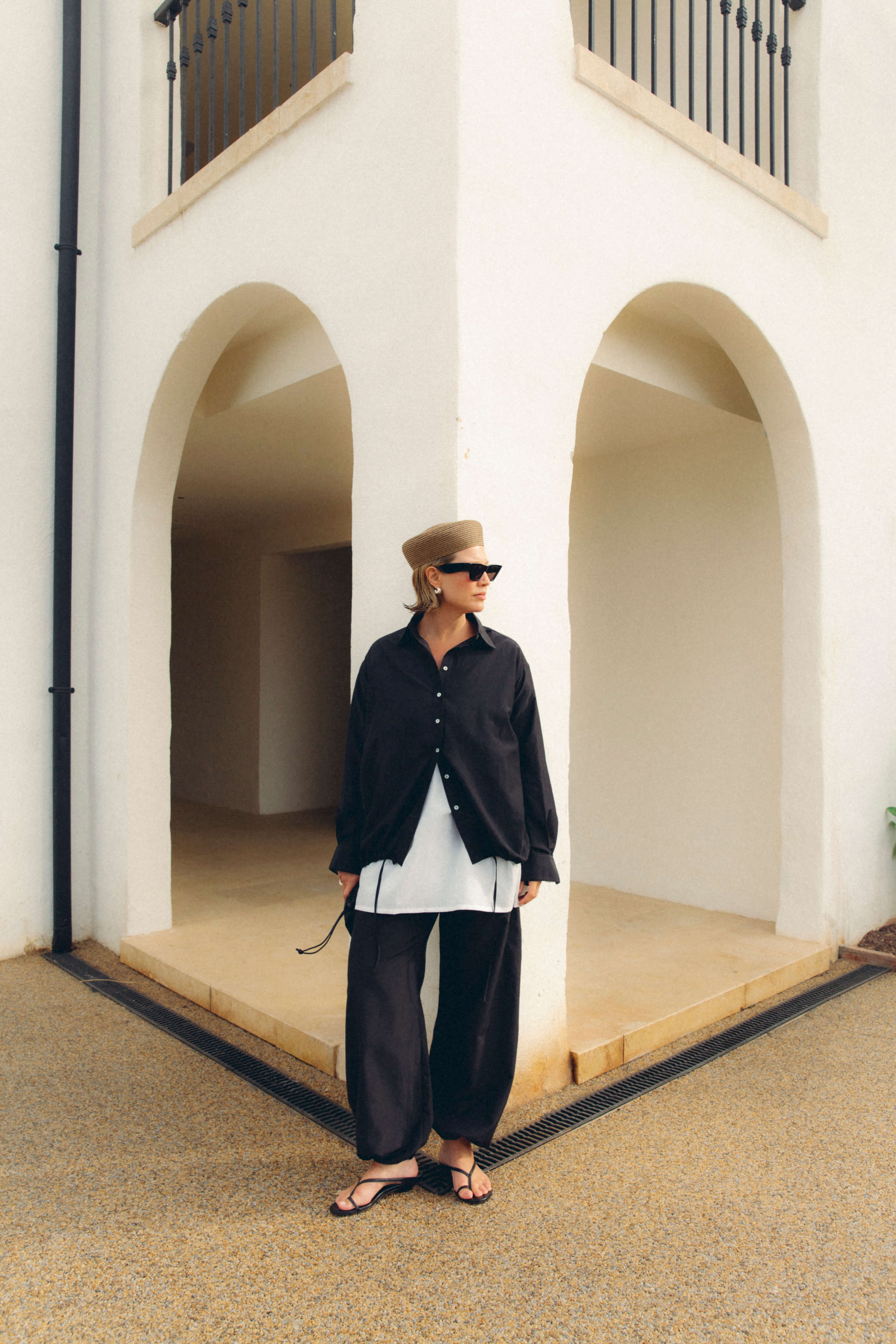
Layer a single structured piece, such as a blazer, longline coat, or fitted cardigan, to introduce clean lines and a defined shoulder or lapel that reads tailored even over soft fabrics. Define the waist with a slim belt or a simple knot in a sweatshirt, placed at the natural waist to break boxy shapes and create proportion without altering the garment. Swap slippers for polished footwear, like loafers, low-heeled ankle boots, or clean trainers, to anchor the outfit. A firmer sole signals the look is ready to leave the house, transforming pyjamas-adjacent pieces into something purposeful.
Layer a lightweight shirt or fine roll-neck beneath a hoodie or sweatshirt, allowing collars and cuffs to appear. Those small interruptions break the silhouette, introduce contrast, and lend a considered finish. Choose one or two statement accessories, such as a structured leather bag, bold earrings, or a glossy belt, and keep metal tones consistent to create a single point of focus and quiet cohesion. By breaking lines and adding deliberate focal points, these subtle adjustments introduce proportion and polish, so loungewear reads as intentionally styled rather than incidental.
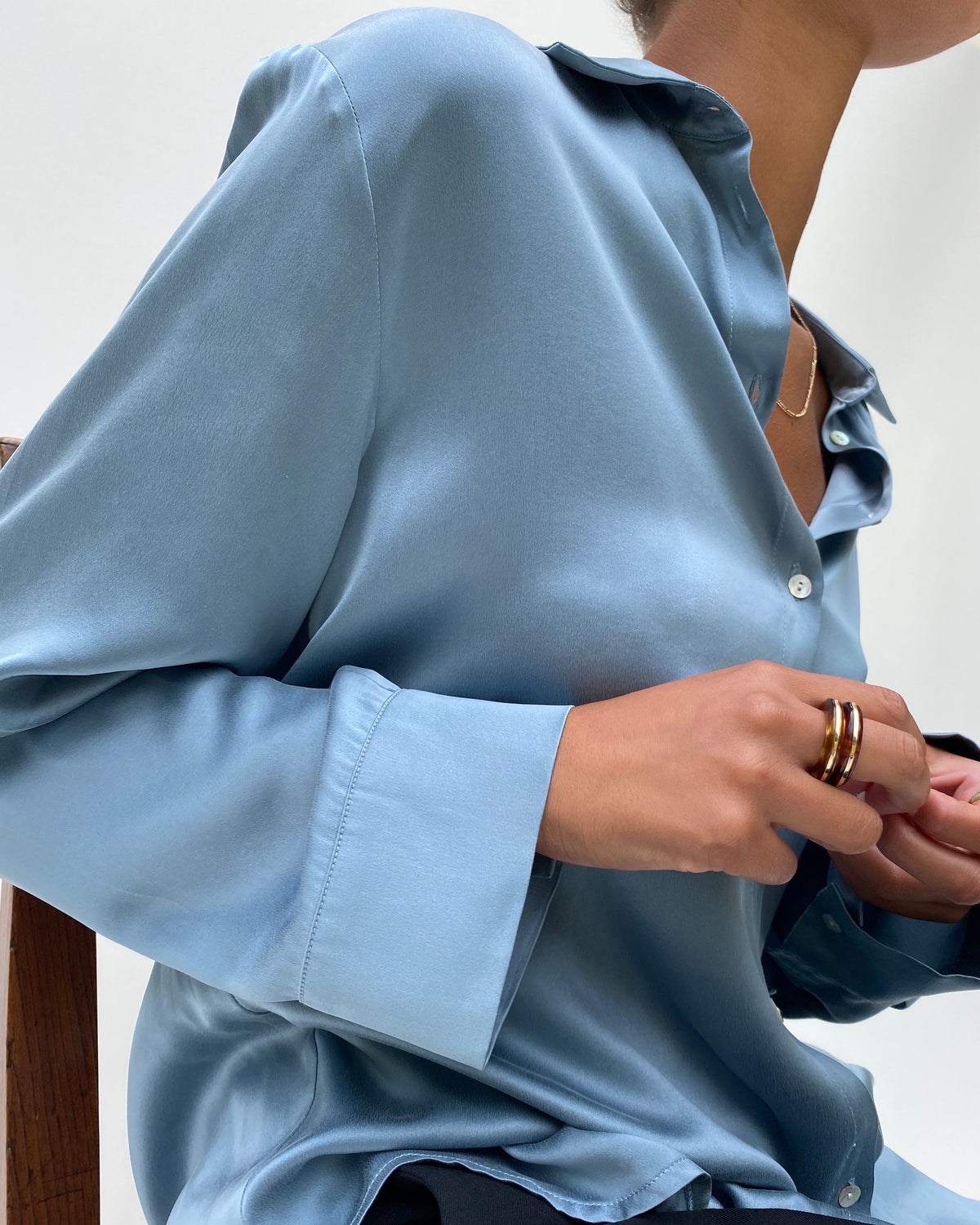
Add an oversized silk layer to sharpen relaxed silhouettes.

Preserve garments with considered care and sustainable tailoring choices
When preserving garments, consider three small, high-impact alterations that can transform loungewear while supporting longevity. Narrow the leg hem by 2 to 4 centimetres to remove pooling and create a cleaner line. Take in the side seams at the waist by 3 to 5 centimetres to prevent gaping and restore the silhouette. If the shoulders slope, raise them by about 1 centimetre, or stabilise a stretched neckline with light interfacing. Check the fit before and after in the mirror for pooling at the hem, gaping at the waistband when you move, and shoulders that droop or pull. Use the pin test to visualise how much fabric to remove. Photograph or sketch front, side, and back views, plus close-ups of the hem and neckline, to document the silhouette changes and provide clear guidance for your tailor.
Decide which alteration matters most with a simple diagnostic routine. Stand, sit, and walk, noting where fabric folds, puckers, or droops. Check sleeve length with your arms relaxed against the wrist, and assess waistband recovery by stretching it and observing how it returns. Prioritise sustainable tailoring: favour reversible, low-intervention fixes, retain original buttons and trimmings, request finished seams such as French seams to prevent fraying, and ask your tailor to return offcuts for future repairs or patches. Protect altered pieces with careful laundering and storage. Wash knits in cool water on a gentle cycle or by hand, use a mesh bag to reduce agitation, reshape garments while damp, and air dry flat. Steam delicate blends rather than pressing them, replace fatigued elastics as needed, and rotate similar items so stretch-prone pieces get rest. Finish altered loungewear with small, considered details: subtle topstitching, a neat tonal tie, or shortening pyjama trousers to the ankle. Pair softened, tailored pieces with a structured outer layer or crisp footwear, and keep one proportion simple so the overall silhouette reads deliberate.
In summary, three minimal, high-impact alterations, such as shortening hems to ankle-length, introducing subtle waist shaping, and refining sleeves and seams, can transform relaxed loungewear into deliberately composed outfits without sacrificing comfort. A clean finish, a structured outer layer, polished footwear, and considered accessories anchor the look, while mindful laundering and reversible tailoring choices help extend each garment's life.
Use the quick diagnostics, such as pinning, photographing, and testing movement, to judge where to taper, take in, or stabilise, ensuring adjustments remain measured and reversible. Begin with a single small, reversible tweak, photograph and test it in motion, and you will notice how improved proportion, ease of movement, and neat finishes transform everyday loungewear into pieces you reach for time and again.

Leave a comment
This site is protected by hCaptcha and the hCaptcha Privacy Policy and Terms of Service apply.