



Top 5 silk dress silhouettes for seamless day to evening style
Finding a silk dress that feels effortless by day and intentional by night can be tricky; many cuts restrict movement or feel too formal for daytime. Choosing the wrong silhouette or fabric weight makes silk drape poorly, so a few considered choices will reconcile comfort with polish.
This post sets out five practical approaches: selecting silhouettes that flatter movement, matching silk weight and drape to the occasion, using colour, pattern, and cut to shift mood, simple styling swaps to extend wearability, and concise care and packing tips to keep silk dresses versatile and durable.

1. Choose silhouettes that flatter natural movement for a relaxed, refined look
Silk cut on the bias drapes diagonally across the body, following movement without clinging. Spot bias construction by the diagonal seams, or perform a simple fit test: walk and sit to see whether the fabric moves with you. Wrap and faux-wrap silhouettes rely on overlapping panels to create adjustable ease at the waist and hips. Step forward or sit to check whether the front stays in place; a secure tie or a hidden snap preserves a smooth, fluid line. A-line shapes, godets, and soft pleats introduce swing and visual motion without bulk. Choose flare concentrated at the hem rather than at the hip to retain a flattering profile while producing elegant movement.
Strategic slits, vented backs, and asymmetric hems free the leg for longer strides and add evening drama; test slit height by walking at your usual pace to check comfort and coverage. Sleeve and shoulder ease, whether kimono, raglan, or gently set-in sleeves, permit natural arm movement, so raise your arms and mimic common actions to ensure seams and linings do not pull or ride up. A lightweight lining reduces cling while preserving drape, and together with considered construction these details keep a silk dress equally suited to daytime errands and evening events.

2. Choose silk weight and drape to suit each occasion
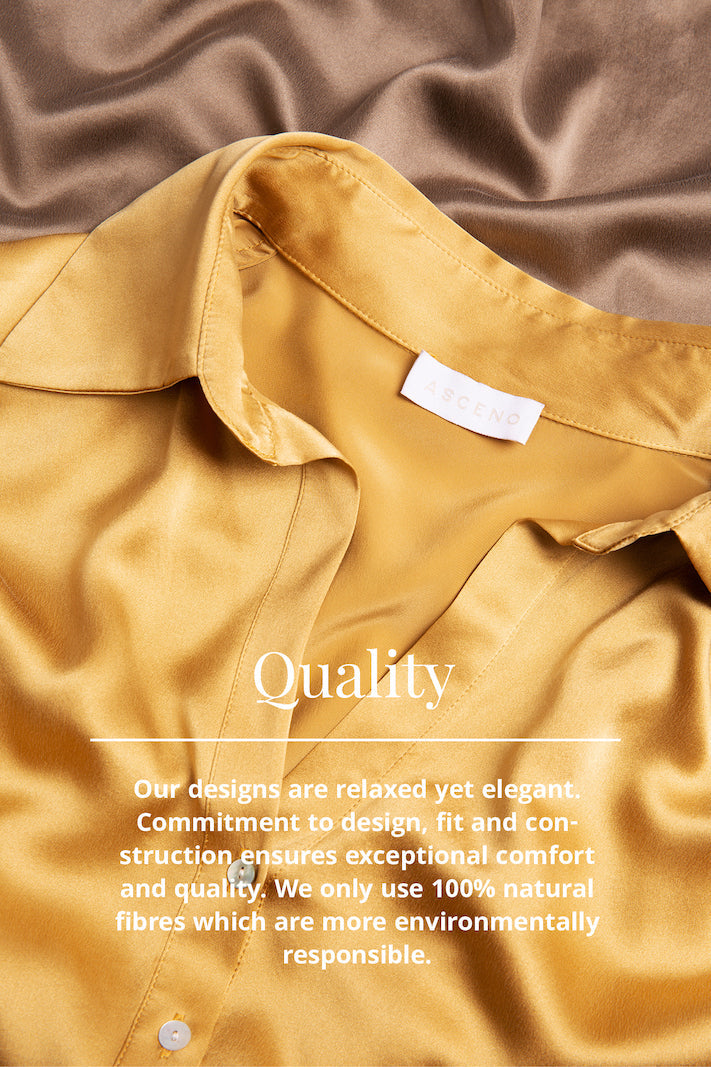
Silk falls into three practical weight categories. Lightweight fabrics, such as chiffon and georgette, skim the body and emphasise movement. Midweight silks, notably crêpe de Chine, hold a modest, tailored shape. Heavier options, like charmeuse and twill, add structure and a polished sheen. Use these distinctions to predict how a silhouette will read from day to evening: favour bias-cut or relaxed styles in lightweight silk for fluid daytime movement and layered evening looks, choose midweight for sheath or wrap dresses that remain neat under a blazer, and opt for heavier silk when you want a more structured, formal finish. Matching silhouette to silk behaviour helps you anticipate cling, movement, and overall polish, removing guesswork.
Test drape and transparency in person. Pinch a small section: if the fold springs back, the fabric is resilient; if it holds, expect visible creasing. Hold the cloth up to the light; if seams, hems, or the silhouette of a lining show through, the fabric is sheer. Hang the dress on a shoulder or mannequin to observe how seams, darts, and hems fall when worn — this reveals the garment’s true silhouette and movement. Plan layers, accessories, and undergarments around weight and drape: pair lightweight silk with a lined slip, camisole, and a lightweight jacket for daytime, then switch to a minimalist slip, statement jewellery, and heels for evening. Use a belt to add shape to flowing silks, and choose structured outerwear to sharpen a softer drape. Bear in mind that lighter silks crease and cling more and may require lining or careful sitting, while heavier silks resist creasing and read as more formal. Finally, check care instructions and how the fabric behaves when packed so the dress retains its intended drape from morning through evening.

3. Shift the mood with colour, pattern, and considered cut
Use colour temperature and value to shift perceived formality. Darker, deeper colours recede and read as more formal in low light, while lighter, muted shades feel relaxed in daylight. Choose a silk shade that accommodates contrast so you can introduce bold accessories for evening; test the effect under both cool and warm bulbs to see how colour and sheen change. Treat pattern scale and placement as visual shortcuts: small, tight prints read as texture from a distance, while large, high-contrast prints command attention. When evaluating a pattern, stand three metres away. Favour vertically oriented motifs, or motifs positioned at the waist or bust, to elongate the silhouette or draw the eye to a point of emphasis.
Adjust cut and details to change the mood. A bias cut with a fluid silhouette will glide over the body and feel casual or sensuous, while a structured sheath and a defined waistline reads intentional and polished. A simple belt or a tailored jacket will alter that silhouette in an instant. Vary necklines and sleeves to control exposure and formality: higher necklines and longer sleeves feel modest and daytime-appropriate, whereas straps, cowl necks, and plunging shapes register as evening. Complete the look with contrast, texture, and finishing touches. Matte silk with a soft drape conveys ease, while pronounced sheen, crisp tailoring, or metallic trims read dressier. Choose tonal layering for an understated evening upgrade, or high-contrast accents to make the outfit bolder, and adjust shoes, a belt, and jewellery to suit.

4. Transform daytime outfits with quick, effortless styling swaps
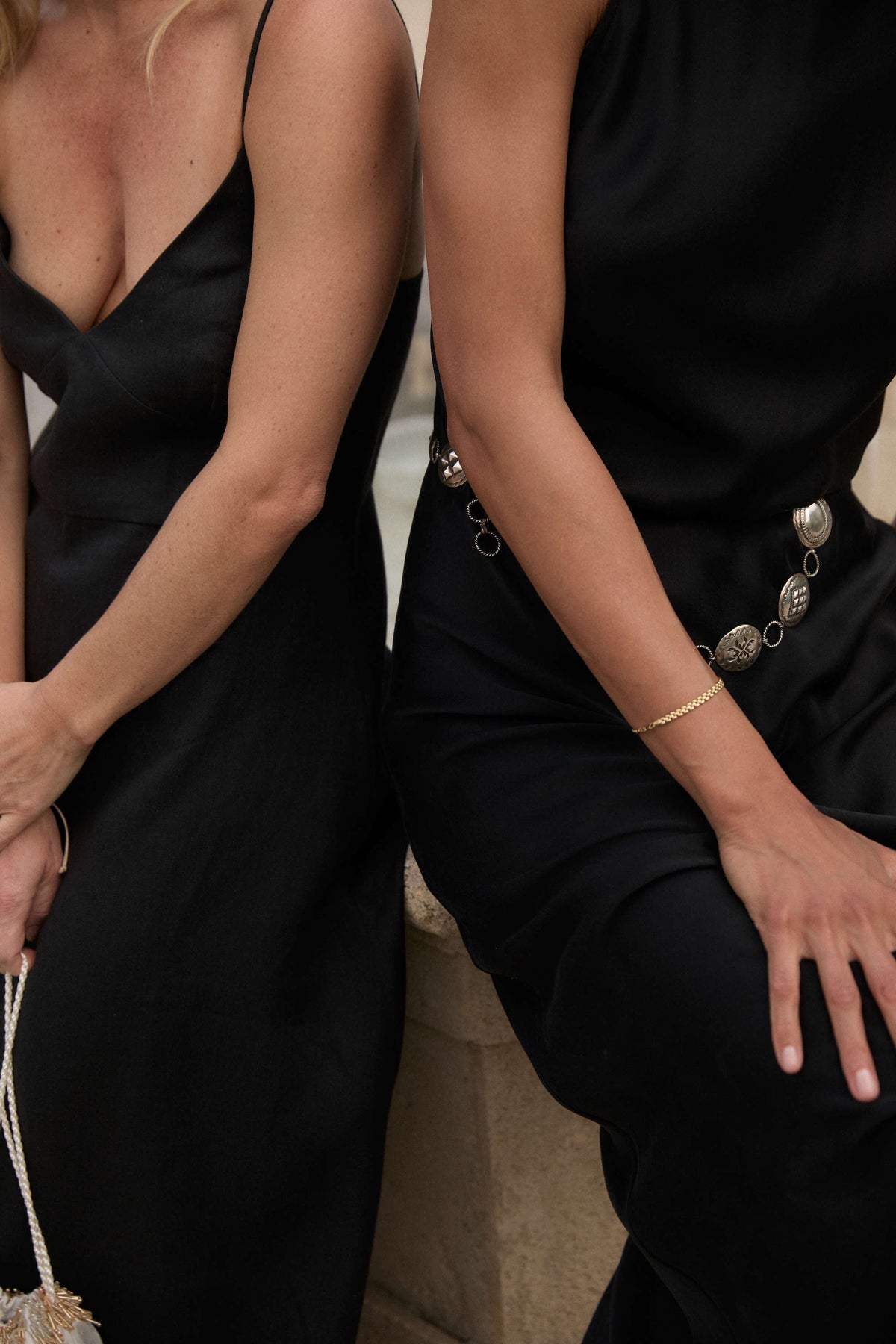
Swap daytime flats or loafers for a heeled sandal or pointed pump to visually lengthen the legs and refine the dress’s drape; a heel changes stance and lets the fabric fall more cleanly. Add a structured layer, such as a cropped blazer or tailored jacket, to counter silk’s fluidity and create defined shoulders and a more distinct waist, sharpening the silhouette. Cinch at the natural waist with a belt for an hourglass effect, or position a narrower belt beneath the bust to form an empire line, and vary belt width to subtly alter proportions and the mood of the look.
Swap a daytime tote and minimal studs for a small clutch and a single statement piece of jewellery. Silk's natural sheen catches the light and amplifies that piece, concentrating visual weight and creating a more polished silhouette than several small items, which in turn raises perceived formality. Layer contrasting textures to change the outfit's mood: a leather jacket introduces edge, a fine knit adds cosy refinement, and a sheer camisole shifts opacity. These simple swaps redirect attention across the dress and make the transition from day to evening straightforward and intentional.

5. Care for, pack, and preserve silk for lasting versatility
Hand-wash silk sparingly in cool water using a pH-neutral detergent formulated for delicate fibres. Minimise agitation and keep soaking brief; for heavily soiled pieces, choose professional cleaning. Silk is a protein fibre and will weaken or lose its sheen in alkaline or hot conditions, so avoid hot water, harsh bleach, and tumble drying. After rinsing, press excess water out between towels rather than wringing, then reshape and dry flat or hang on a wide, padded hanger away from direct sunlight to prevent heat and UV damage. Treat stains promptly: blot water-based marks with cool water and lift fresh oil with an absorbent powder; leave complex or set stains to a professional cleaner.
When packing, roll silk garments with acid-free tissue, or fold them with tissue tucked into bends to avoid sharp creases. Place each piece in a breathable garment bag or cotton pouch to keep silk separate from rough fabrics and jewellery. For long-term storage, ensure items are clean and dry, then store them in cotton boxes or muslin bags away from damp and direct sunlight. Use natural deterrents, such as cedar blocks or lavender sachets, kept in separate mesh pouches; cedar releases natural oils that discourage moths. Air items occasionally and inspect for yellowing or residue, and clean any affected areas promptly to prevent irreversible damage.
A silk dress that balances movement, drape, and finishing details adapts from daytime errands to evening events with minimal fuss. Bias cuts and wrap constructions, midweight silks, and considered necklines or belts define how the fabric falls, how it skims the body, and how formal the look feels.
Choose silhouettes that move with you; look for cuts that allow natural drape and ease of movement. Match fabric weight to the occasion — lighter silk for warm days and travel, slightly heavier weaves for cooler evenings and smarter looks. Shift mood through colour, pattern, and cut: tonal neutrals read relaxed, saturated hues feel more formal, and small-scale patterns sit subtler than bold prints. Make quick styling swaps to change the look—tuck or half-tuck, add a belt, or layer a lightweight jacket—to extend a piece from day to night. Follow simple care and packing habits to keep silk versatile: roll garments to reduce creases, spot-clean promptly, and use breathable storage. Test fits and view outfits under different light to confirm colour and proportion, and store pieces on wide, padded hangers or folded in breathable boxes so each silk item performs reliably and remains ready for whatever the day or night requires.

Leave a comment
This site is protected by hCaptcha and the hCaptcha Privacy Policy and Terms of Service apply.