

Top 10 Ways to Elevate a Silk Dress from Day to Evening
A silk dress can feel like two wardrobes, effortless and elegant by day yet prone to creasing or to feeling underdressed as evening approaches. This guide outlines ten practical styling techniques for drape, fit, colour, layering, accessories, shoes, packing, and care, enabling a single piece to carry you from daytime appointments to dinner with quiet confidence.
To put these ideas into practice, choose the right silhouette and discreet underlayers, harness prints to broaden your weekday wardrobe, and layer versatile outerwear to alter the mood. Adopt simple care, packing, and repair rituals to prevent creases and prolong a garment's life, then deploy considered accessories and shoe swaps to turn daytime polish into evening glamour.

1. Master Silk: Drape, Care, and Longevity
Silk’s drape is determined by weight, weave, and cut. Test a garment by holding it at the shoulder to watch how it falls, pressing a fingertip to assess fluidity, and noting whether it skims the body or holds its shape; those observations will guide your choices for layering and accessories. Prevent snags and discolouration by fastening zips and buttons before wearing or washing, removing sharp jewellery, allowing deodorant and foundation to dry before dressing, and spraying perfume onto fabric rather than directly on the silk. Oils from the skin and friction from rough edges abrade fibres and dull the sheen, so these simple habits reduce the staining and abrasion that quickly alter texture and drape. Understanding how a piece behaves helps you decide whether to pair a silk dress with structured layers for support, or with soft overlays that preserve its natural movement.
When a stain appears, first spot-test any cleaner on an inconspicuous seam. Blot gently with a dilute solution of mild detergent or white vinegar; diluted vinegar can help lift residues without harming silk. Hand wash in cool water with a silk-safe detergent and do not wring. Rinse until the water runs clear, then reshape the garment while damp so the fibres relax evenly. To remove creases, hang the silk on a padded hanger and steam from the inside, keeping the steamer a few centimetres away. If ironing is necessary, turn the garment inside out, place a press cloth over the fabric, and use the lowest heat setting; steaming preserves the silk's fluid drape, while careful ironing restores structure. Store silk in a breathable bag on a padded hanger away from direct sunlight, lay heavier pieces flat to avoid shoulder distortion, and rotate wear to distribute stress. For persistent stains or structural repairs, consult a professional to protect fibre integrity.
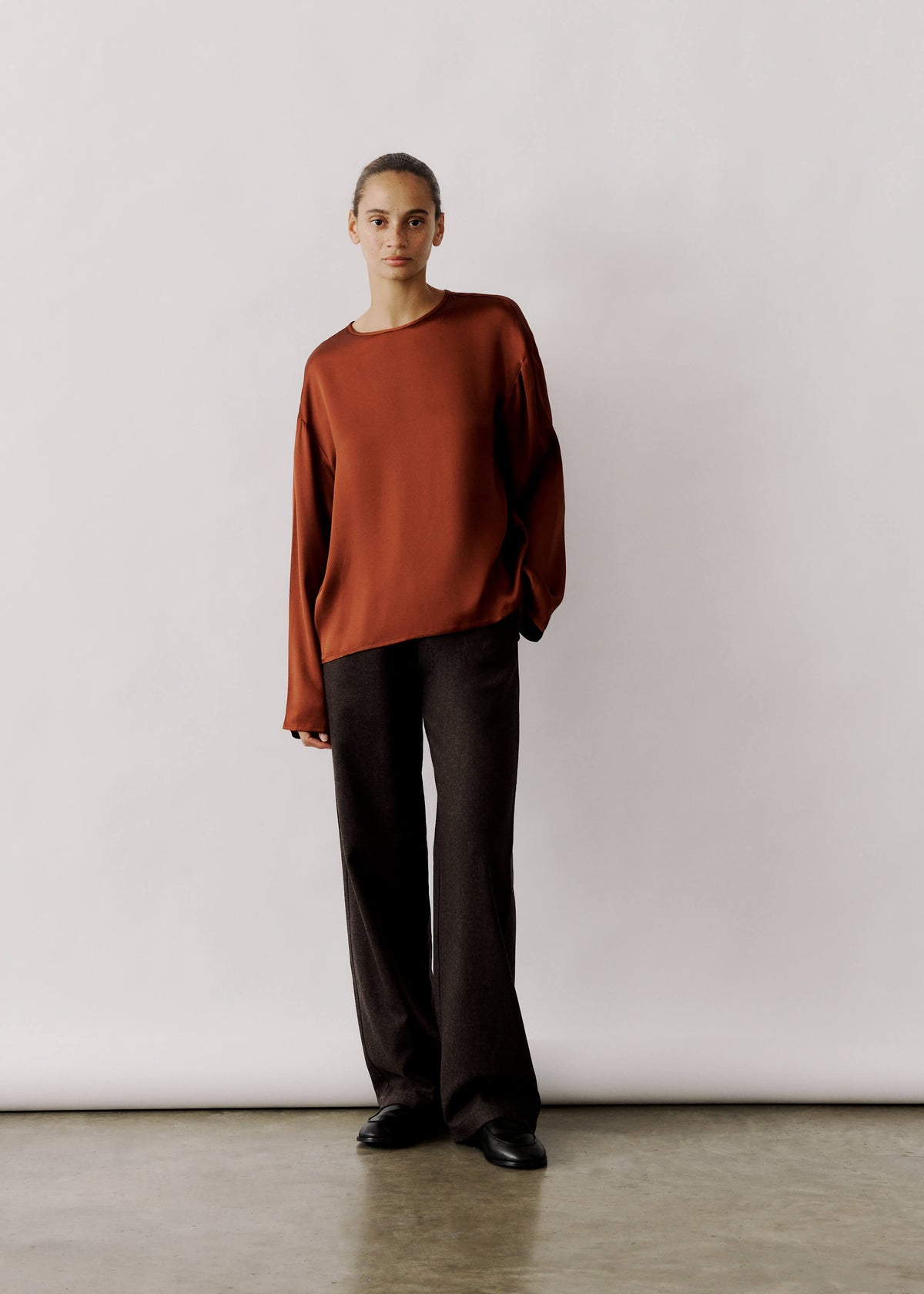
Add a sheer overlay to preserve silk's natural movement

2. Choose a silhouette and fit that flatters and feels effortless
Try the dress on in motion: walk, sit, and reach to observe where the fabric clings, rides up, or gaps. Plan minimal tailoring, such as shortening the hem, nipping in the waist, or adding side panels, to preserve the garment's original drape while improving comfort. Choose versatile constructions, like wrap styles, adjustable ties, and ruching, and experiment with a belt tied higher or lower, or with pins and knots, to convert a relaxed daytime shape into a cinched evening silhouette before committing to permanent alterations.
Think in terms of length and proportion, not fixed rules. A midi that grazes the mid-calf will read balanced with loafers and lengthen into an elegant line with heels as proportions shift. Experiment with shoe height and outer layers to calibrate a silhouette that sits composed with flat daytime footwear and elevated evening heels. Prioritise necklines and sleeves that layer well: choose higher necklines and short sleeves for meetings, and open necklines or sleeveless cuts to showcase statement jewellery and bare shoulders at dinner. Assess fabric weight, finish, and lining in natural light to judge how the dress will drape, and whether it needs discreet shaping or a slip to prevent translucency and visible lines.
Try a long-sleeve velvet dress for elevated evening versatility.

3. Use colour and print to extend a piece's versatility
Select a dominant colour from the silk dress and echo it in accessories, such as shoes, a bag, or a scarf, to create a cohesive silhouette that feels deliberate as daylight softens. Introduce metallic or high-sheen accents, such as a belt, clutch, or jewellery, to elevate a printed dress without altering the garment; they catch the fabric's highlights and lend a more evening-ready mood. Anchor prints by layering complementary or tonal solids: choose a tailored jacket or camisole in a darker shade to sharpen a bright print, or a lighter layer to soften a deep one.
Small, densely packed prints read like texture and keep a look understated for daytime appointments, while larger, bolder patterns catch the light and command attention for evening. When mixing prints, match one common colour and vary the scale so a single pattern remains dominant; a striped outer layer over a floral dress will read deliberate rather than chaotic. Use solids to anchor a busy print, choosing complementary or tonal shades that reinforce the chosen dominant colour. These simple shifts in scale, layers, and selective shine let the same silk dress move effortlessly from appointments to dinner without swapping the base garment.
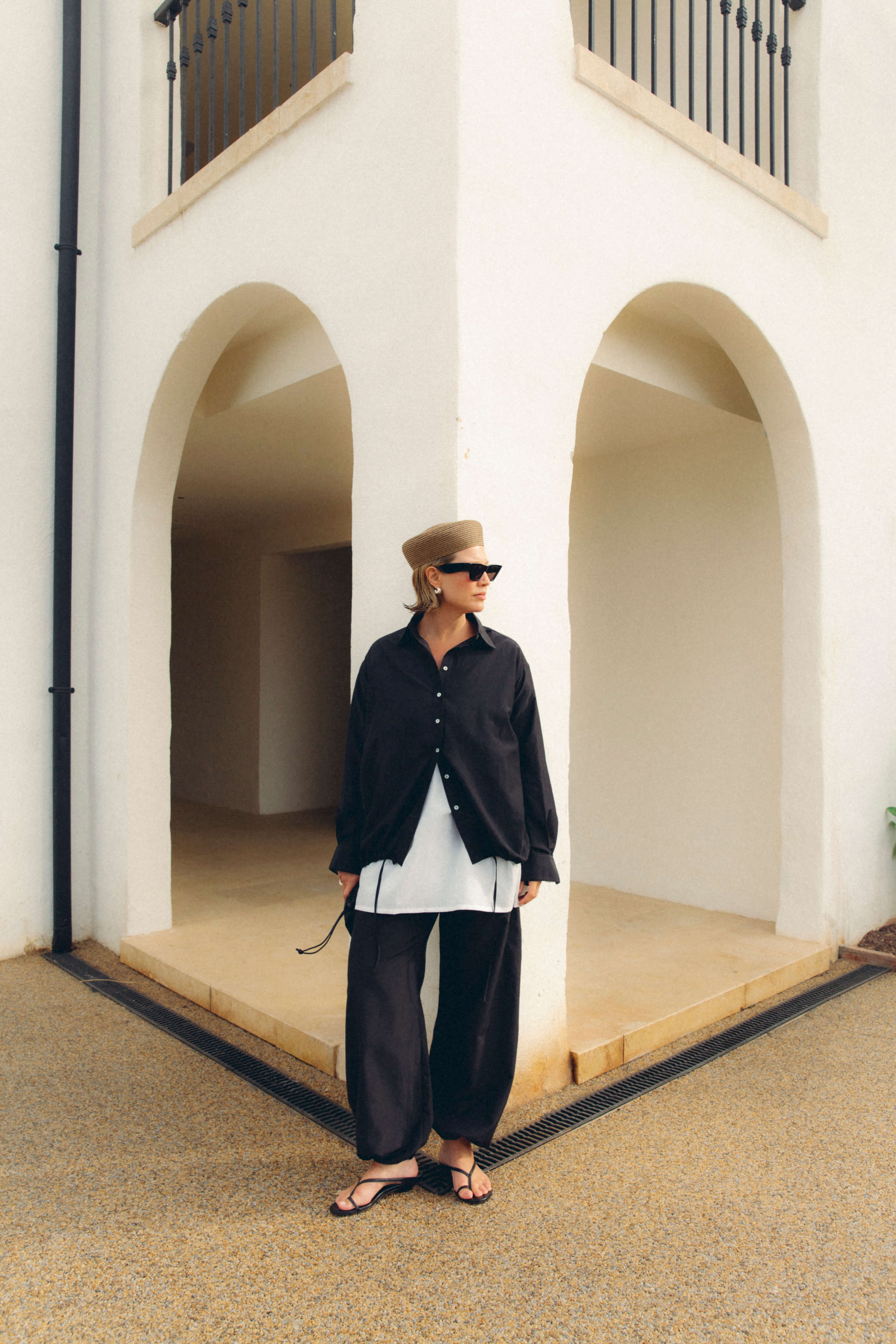
Elevate daytime silk with minimalist mules and simple jewellery

4. Choose invisible underlayers for a seamless silhouette
Select discreet underlayers with minimal seams and narrow edges in a skin tone or a shade close to the dress lining. Thinner, seam-free pieces reduce visible lines and limit show-through on reflective silk. Opt for light, targeted smoothing, such as soft shorts or a brief with gentle compression, and avoid firm shapewear, which can flatten the silhouette and alter the way the fabric hangs. For low-back or plunging styles, choose adhesive cups, silicone petals, or convertible support that sits off the shoulder and low on the back. Apply these to clean, dry skin, and perform a quick adhesion test to ensure they hold without straps disrupting the neckline.
Choose breathable, moisture-managing undergarments that wick sweat and reduce static. Lightweight technical microfibres or silk linings help a dress remain smooth from daytime appointments to evening dinners. Test the complete outfit by moving, sitting, and inspecting it in natural light to reveal any lines, colour transfer, or bunching. Secure stray straps or hems with small pieces of double-sided fashion tape, and adjust layers until the dress hangs uninterrupted.
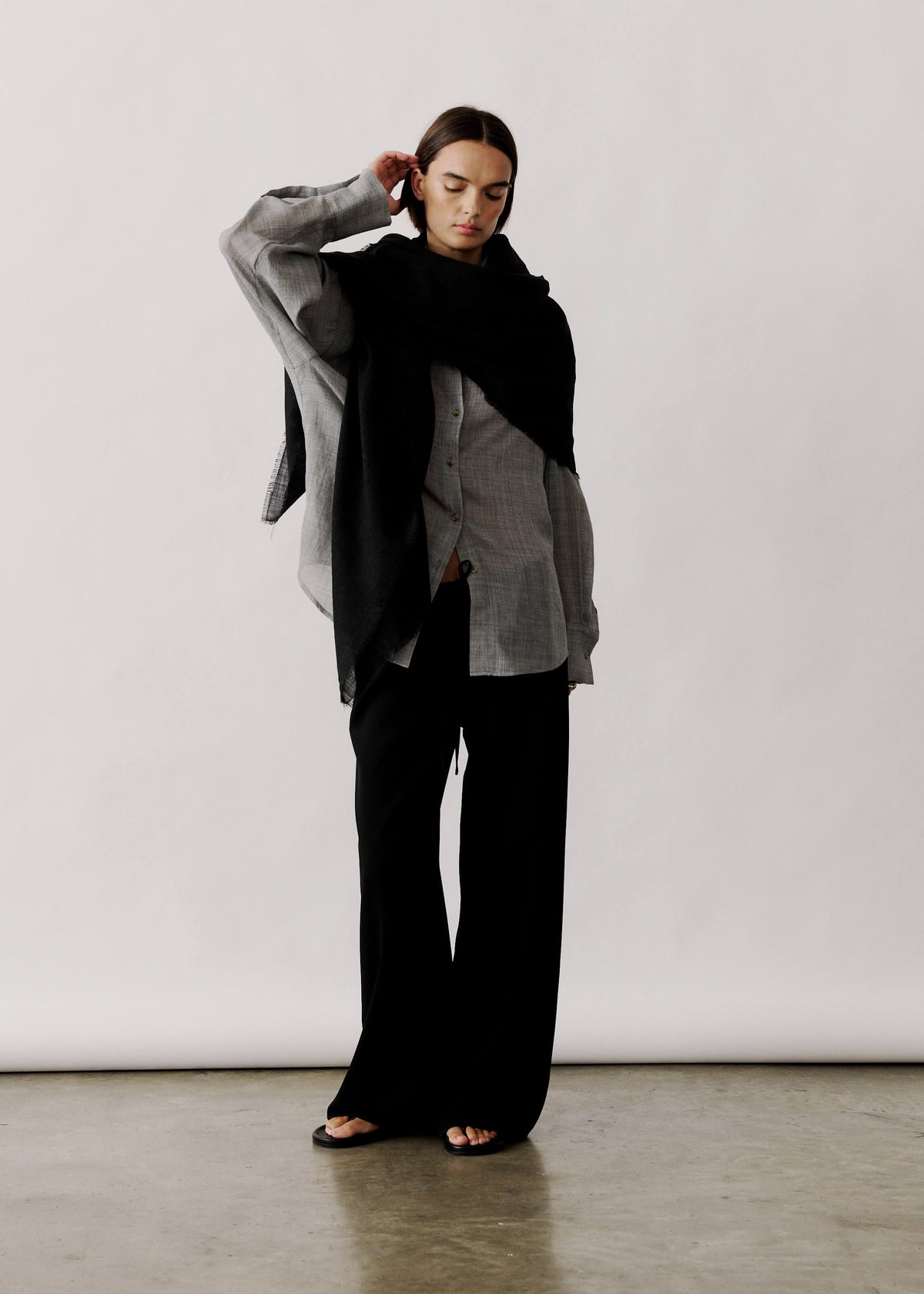
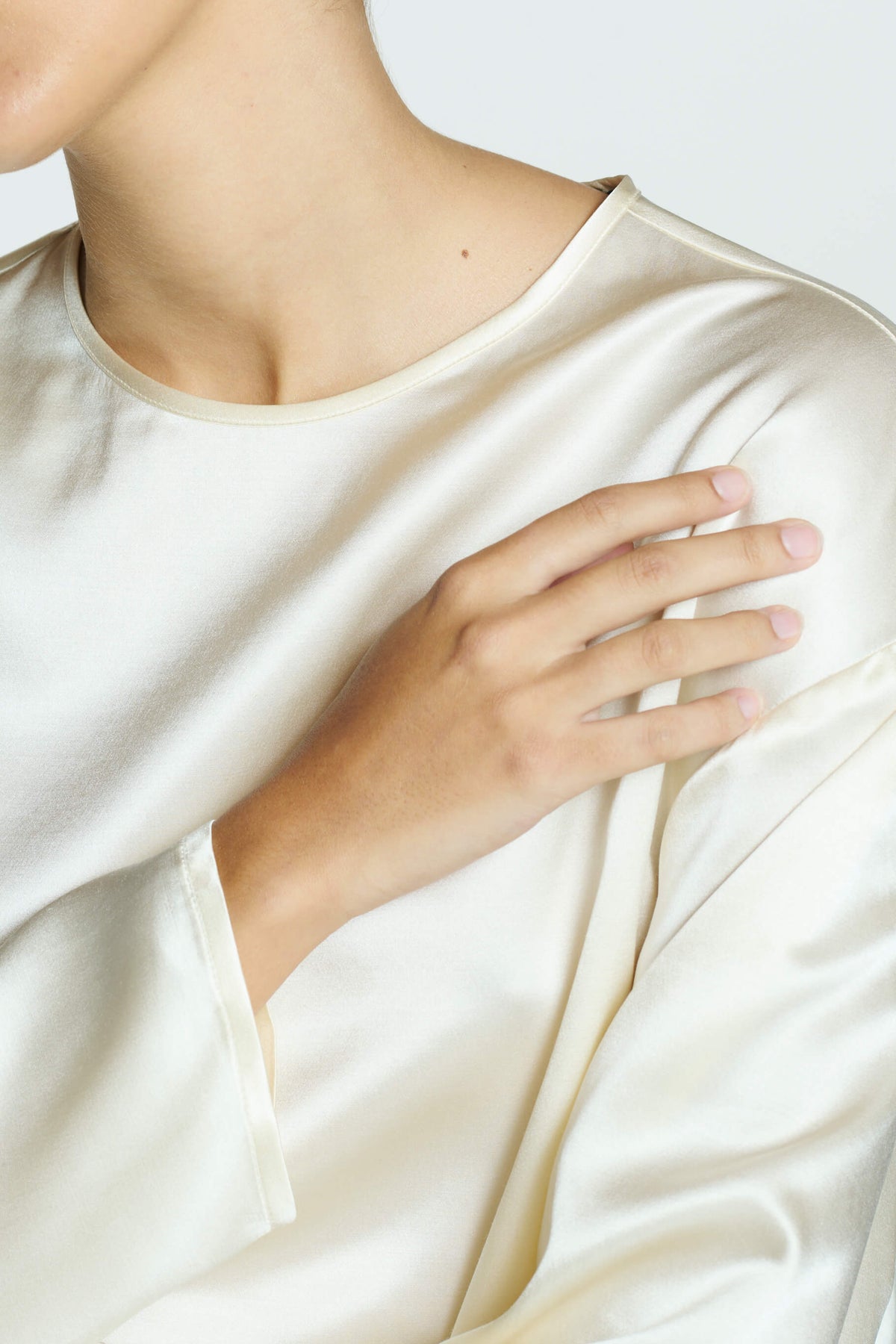
Pair sheer silk-cotton layers with seamless, low-profile undergarments.

5. Create polished daytime outfits with effortless, versatile styling
Layer a structured blazer or a short tailored jacket over a silk dress to introduce clean lines that contrast the fabric's drape. Defined shoulders and a nipped-in waist create a composed silhouette, appropriate for appointments and meetings. Anchor the look with closed-toe, low-heeled or flat shoes, such as loafers, brogues, or block-heel courts, for comfort and a purposeful counterpoint to the dress's softness. Finish with a lightweight knit or fine merino cardigan, secured with a narrow belt at the waist to add modesty, visual interest, and a controlled shape while remaining easy to remove if plans change.
Steam or gently press silk to release creases, and wear a silk-safe slip or camisole to prevent transparency. Shorten the skirt discreetly with a partial tuck or a small knot at the hem to free your stride and give the dress a more purposeful daytime shape. Choose restrained, practical accessories—a medium, structured bag, minimal jewellery, and hosiery matched to your complexion—to streamline the silhouette and ensure the outfit reads well in photographs. These small adjustments preserve a polished, comfortable look for appointments, while minimising the risk of wardrobe mishaps.
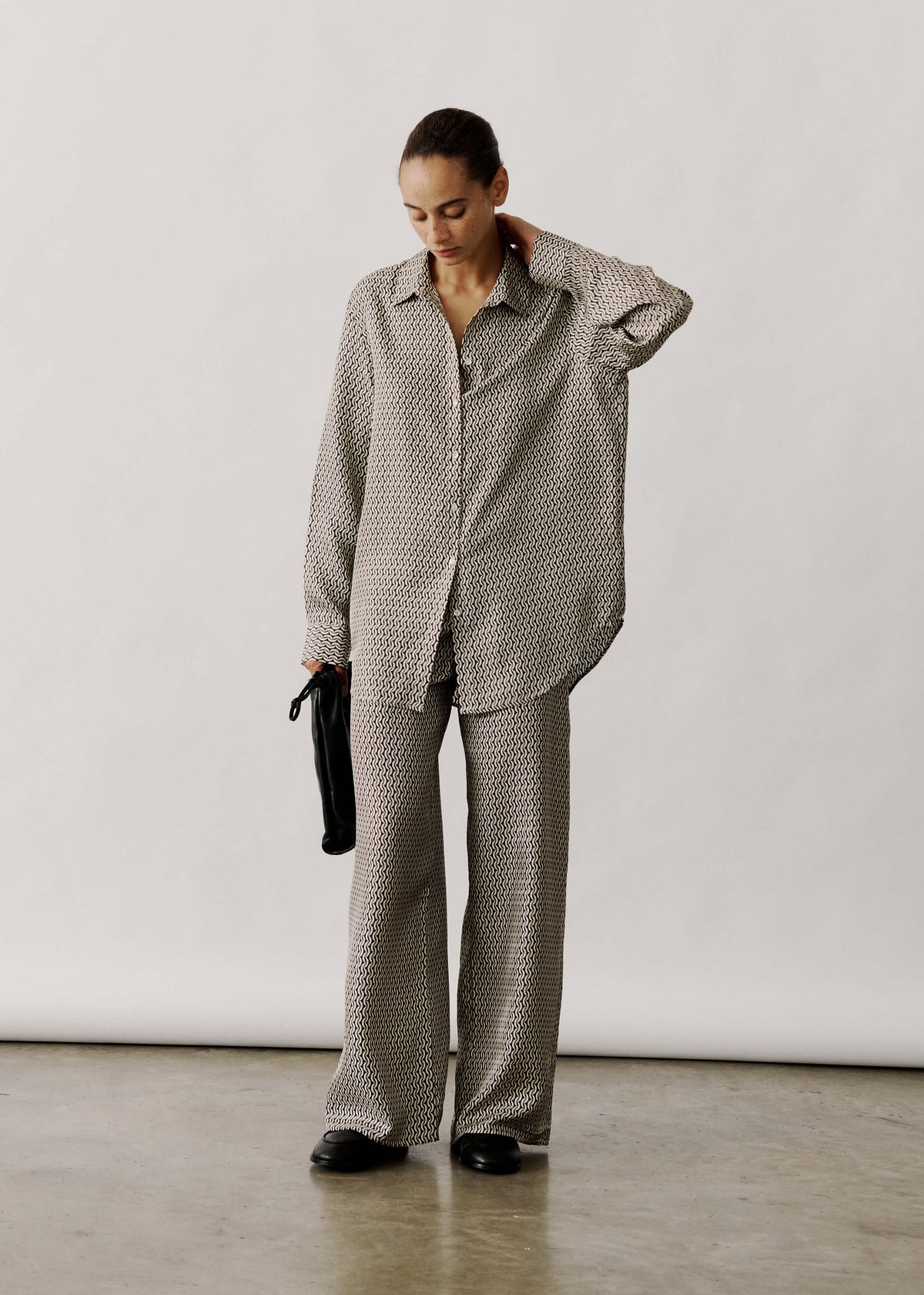
Layer a silk shirt for modest, structured coverage.

6. Adapt through layered styling and versatile outerwear
To shift a daytime blazered look into something softer for dinner, choose a cropped, structured blazer that finishes at or just above the waist. Fasten it to define the waist and present a tailored, appointment-ready profile, then unfasten or remove it to soften the line for dinner. Carry a compact wrap or a silk-lined scarf to add instant coverage and polish, drape it over the shoulders for a formal silhouette, or stow it in your bag when you want the dress to stand on its own. Layer a fine-gauge roll-neck or a fitted camisole underneath to introduce modesty and visual interest without adding bulk; thin underlayers preserve the dress's drape and movement.
Adjust outerwear length to change a look's mood: a longline coat elongates and elevates, while a cropped jacket feels more relaxed and casual. When choosing longer outerwear, cinch the waist with a narrow belt to preserve the dress's proportions and prevent the silhouette from disappearing. Signal a shift in formality through texture: pair silk with a soft knit or a suede-style jacket for daytime ease, then swap to a sleeker, structured layer for evening to make the same dress feel more refined and night-appropriate.
Cropped linen jacket defines your waist, instantly dresses up.

7. Elevate every outfit with considered, versatile accessories for timeless style
For a quick transition from day to evening, swap a casual crossbody for a structured clutch or minaudiere, and wear a single statement earring to draw the eye in photographs and in low light. Pair glossy silk with matte leather, suede, and polished metal accents, so accessories catch ambient light and create deliberate textural contrast. These finishes give a considered, formal presence while leaving the dress intact.
Define or soften the silhouette with a belt: a narrow belt preserves the dress’s fluidity, while a wider one sculpts an hourglass shape. Shifting where you cinch the waist changes proportions, turning a relaxed daytime look into a tailored evening one. Layer necklaces to flatter the neckline, beginning with a longer pendant for V-neck and cowl shapes, then add a shorter chain or choker that complements the pendant without overwhelming the fabric. Complete the look with a versatile silk scarf tied at the neck, around the wrist, or on a bag handle, or fasten a brooch at the shoulder or waist to introduce a new focal point and subtly alter the garment’s lines.
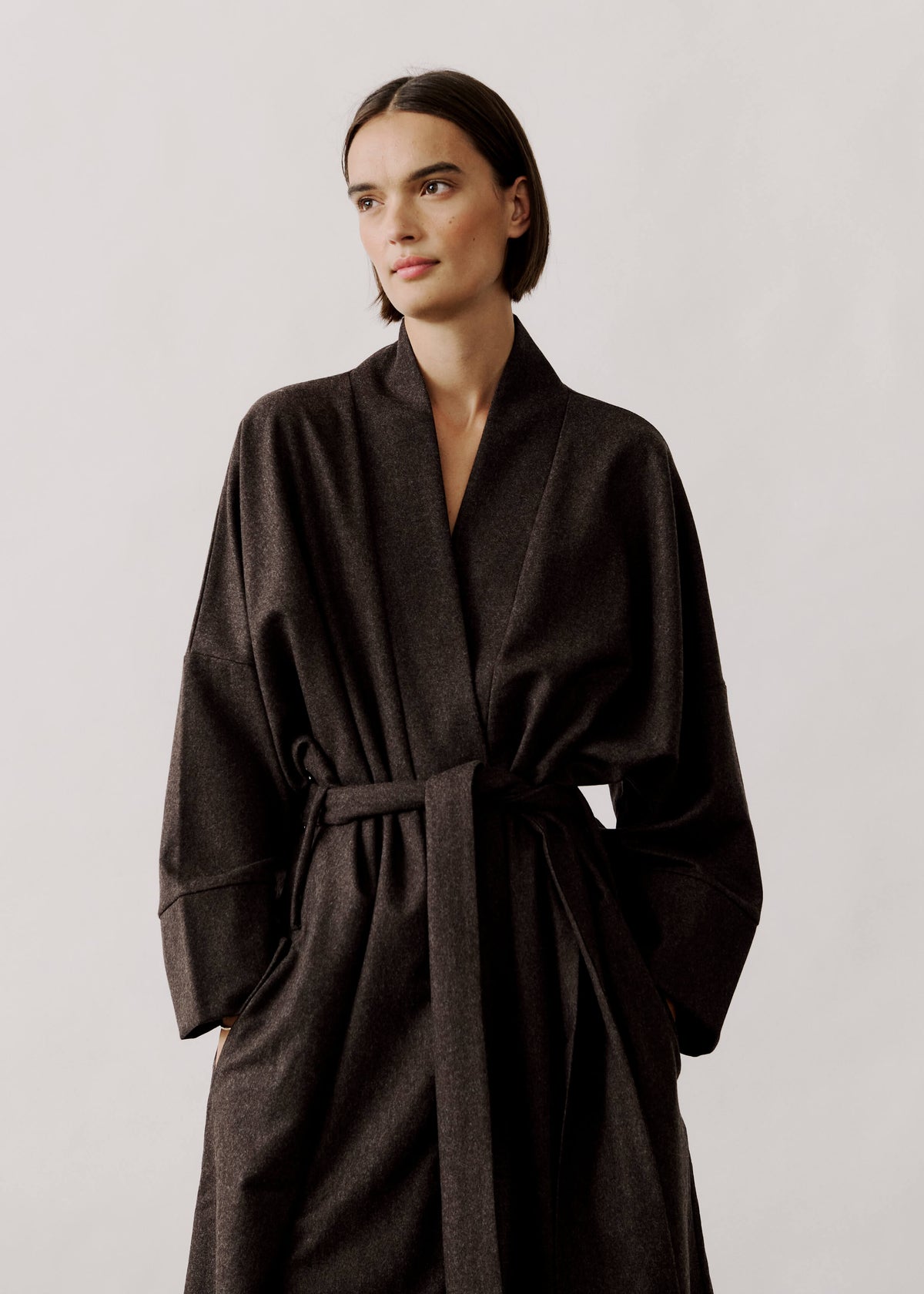
Add a belted velvet layer for instant evening polish.

8. Swap shoes and bags to shift an outfit's mood
Shoe shape and sole thickness recalibrate a silk dress's formality. Low, chunky soles, loafers or trainers read as relaxed and daytime, while pointed toes, slim heels, or delicate strappy sandals elevate the look; a narrower profile lengthens the leg line and reduces a casual impression. Match shoe height and style to the dress length and cut to preserve the silhouette: ankle boots with a midi hem add an urban edge, pointed flats with a bias-cut slip elongate, and strappy heels suit shorter hems. Colour and texture of accessories also shift perception — muted suede or canvas tones down sheen, while glossy, patent, or metallic pieces amplify glamour. Contrasting soft silk with a matte, architectural bag introduces visual tension that signals intention rather than accident.
Bag shape and finish set the mood: a structured tote or crossbody in a matt finish suggests practicality and suits daytime tasks, while a compact clutch, box bag, or an embellished finish draws the eye and signals evening intent. To simplify the transition, keep an evening clutch and a slim pair of heels in your coat or at work, transfer essentials into a small organiser in advance, and favour detachable straps or fold-flat shoe styles for an effortless swap. That approach creates a considered focal point and preserves the dress’s line without a full outfit change.
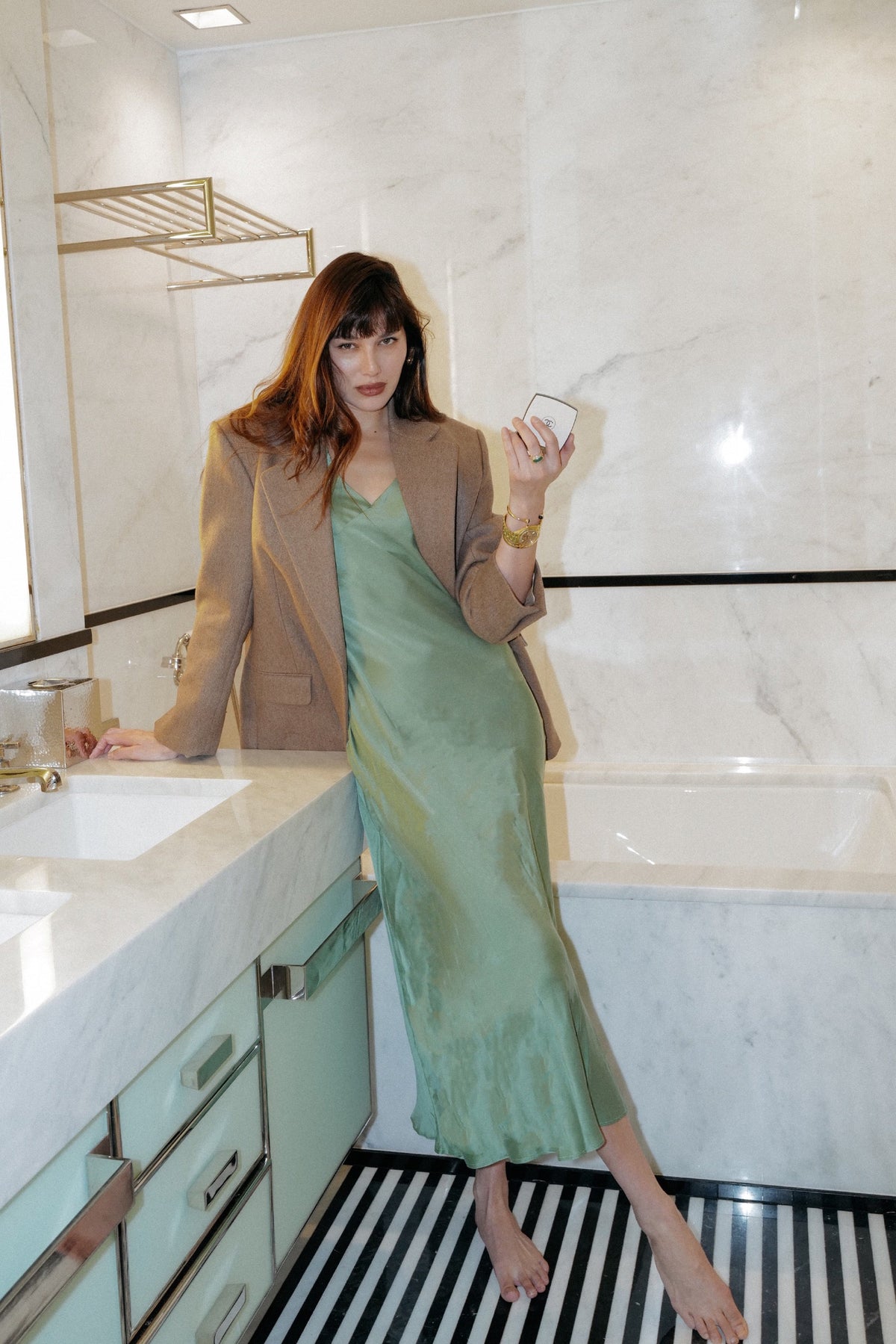
Slip into bias-cut silk for effortless day-to-night

9. Pack silk with care to keep it crease-free
Turn the dress inside out and align folds with the seams. Roll loosely from the hem toward the shoulders, or around a soft core such as a rolled jumper; rolling along the seams produces fewer sharp crease lines and preserves the dress's shape. Place the rolled silk on top of heavier items, or centrally within your luggage, then surround it with soft layers, such as scarves, delicate undergarments, or folded knitwear, to cushion pressure points; even thin buffers reduce the depth and permanence of creases. Wrap the garment in breathable materials, for example a cotton bag or acid-free tissue between folds, and avoid sealing silk in non-breathable plastic, which can trap moisture and encourage set creases.
On arrival, hang the dress immediately and relax the fibres with steam. Either suspend it in a steamy bathroom or hold a handheld steamer on a low setting a short distance away. If ironing is unavoidable, test on an inside seam first, choose the lowest temperature suitable for silk, and press gently through a clean cloth rather than sliding the iron across the fabric. Pack a lightweight travel hanger and a small emergency kit containing safety pins and a soft fabric brush; these let you hang the dress and gently restore its drape while travelling. For extra protection in transit, roll the dress around a soft tube to shield the neckline and straps, preserving shape and reducing targeted creasing.
Pack a lightweight silk‑cotton shirt for versatile layering.

10. Extend silk's life with gentle care and mindful mending
Begin stain first aid by testing a pH-neutral detergent on an inside seam. For fresh marks, gently blot with cold water and a little detergent; do not rub, which can set the stain. Wash in cool water with a mild, protein-friendly detergent to minimise fibre shrinkage and dye transfer. Rinse until the water runs clear to remove any residue that attracts dirt. Remove excess water by rolling the dress in a clean towel, then reshape and dry flat, or hang inside out in a shaded, well-ventilated spot. Ease creases with a low-temperature iron through a pressing cloth, or steam from a short distance.
Store silk in breathable cotton garment bags, or wrapped in acid-free tissue, to prevent the yellowing that trapped plastic can cause. Use padded hangers for bias-cut pieces to preserve their drape and shape. Mend loose seams and reattach straps with small, tight stitches using a fine needle and matching thread; secure hems with inside slip stitches, and patch tiny holes from the reverse with a silk scrap to protect stress points from further tearing. For persistent or oily stains, vintage garments, or intricate embellishments, consult a specialist who can check colour-fastness and carry out invisible mending. Highlight fragile areas and any past treatments to the cleaner or repairer so they can choose methods that avoid unnecessary intervention and further weakening of the fabric.
A silk dress becomes a true day-to-evening piece when its drape, silhouette, and underlayers harmonise with how you move and what the day requires. Adopt small habits: choose low-profile underlayers such as a lightweight slip or seamless underwear, pack with tissue paper to minimise creases, and steam or spot-clean with a gentle detergent to preserve the silk’s sheen and keep the dress ready for appointments and evening.
Build with structured daytime layers, choose selective accessories, and swap shoes or bags to shift proportion and mood while keeping the dress intact. Mend small snags promptly, store garments in breathable bags, and follow routine care instructions; modest attention can add years to a piece and invite repeated, confident wear.

Leave a comment
This site is protected by hCaptcha and the hCaptcha Privacy Policy and Terms of Service apply.