

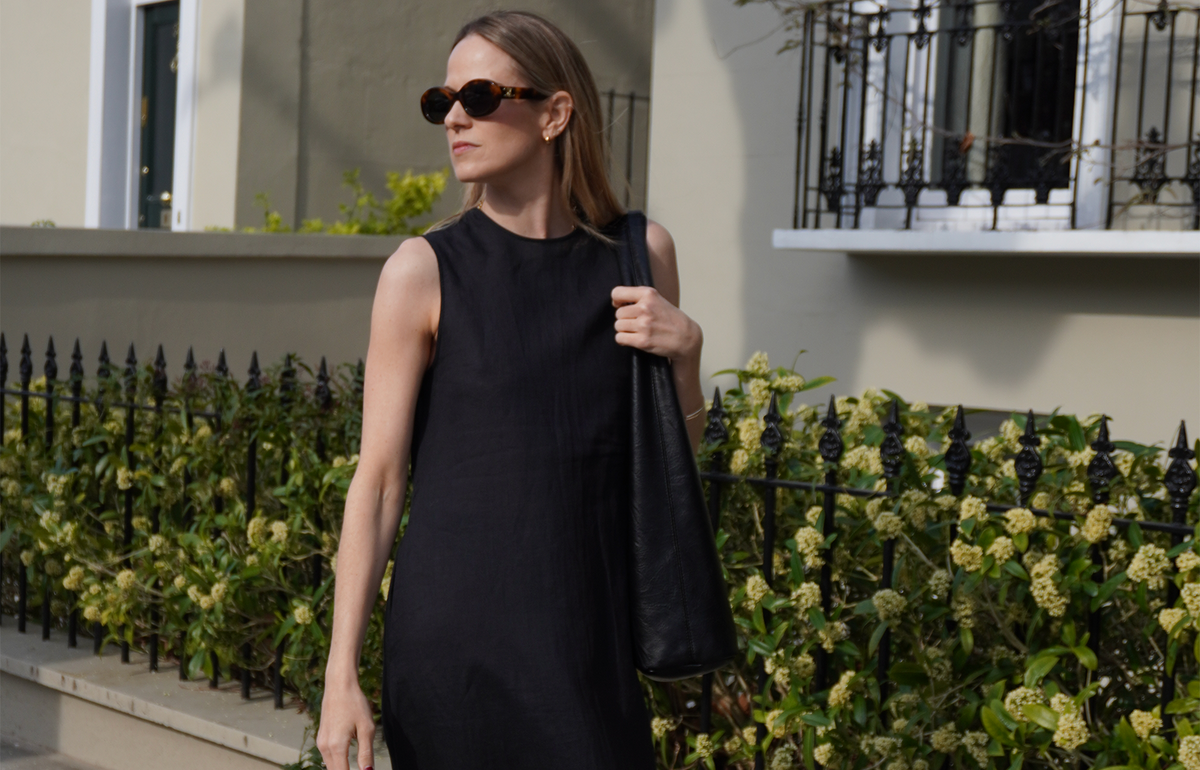
Top 10 Ways to Style a Black Linen Dress for Errands, Work, and Weekends
A black linen dress is quietly understated, yet we often relegate it to weekends, put off by worries about creasing, fit, or formality. With a few practical adjustments, the same dress can carry you through errands, workdays, and relaxed weekends.
This guide outlines ten focused strategies, from understanding linen care and choosing the right silhouette to anchoring the dress with foundations, smart layering, considered accessories, and packing tips that help it travel well and stand the test of time. Read on for actionable, low effort ideas to turn one black linen dress into a versatile, reliable daily staple, allowing you to appear polished with fewer decisions.

1. Make Your Black Linen Dress a Timeless Wardrobe Staple
Start with a versatile silhouette in midweight linen, such as a shift, shirt dress, or slight A-line, that skims the body without clinging. Opt for knee to midi length in a true black to maximise compatibility with different shoes and outer layers. Modulate formality through considered layering: a structured blazer or fine knit for the office, a lightweight shirt or denim jacket for errands, and a relaxed cardigan or utility jacket for weekend wear, which also adds warmth and helps conceal linen’s natural creases. Change the mood by swapping one or two key pieces, such as footwear, a bag, or a belt; low block heels and a tote read work-ready, smart trainers and a crossbody suit casual days out, and ankle boots or flat sandals paired with a statement scarf create a relaxed weekend look.
Extend the dress's usefulness with mindful care: wash gently, either by hand or on a delicate machine cycle with a mild detergent. Reshape while damp and hang in the shade to preserve colour and drape, and smooth wrinkles with steam rather than heavy ironing to protect the fibres. Store on wide, padded hangers to maintain the silhouette. Build a small capsule of complementary tops, jackets, shoes, and bags in neutral and accent colours. Preassemble three reliable outfits, one for errands, one for work, and one for weekends, and photograph each for quick reference so you can choose an outfit in seconds. These simple habits save time, reduce decision fatigue, and help the dress perform across occasions without feeling repetitive.
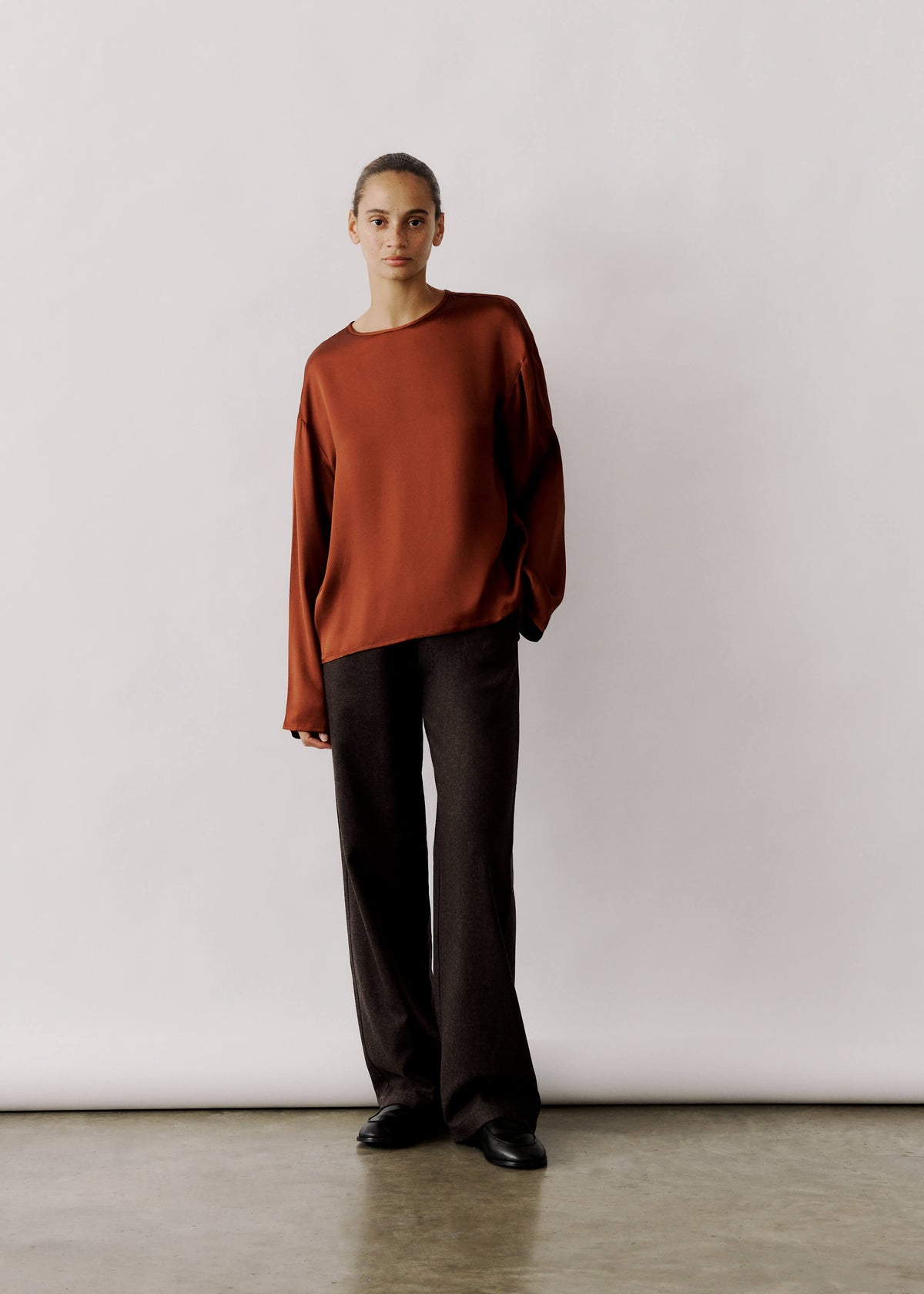
Choose a tailored black linen for seamless day-to-night wear.

2. Understanding linen fibres and how to care for them
Linen combines strength, breathability, and natural moisture-wicking to create a crisp, textured surface that softens with wear; its gentle creasing becomes part of the fabric’s character rather than a flaw. To reduce shrinkage and preserve colour, pre-wash new pieces, turn them inside out, and wash on a gentle cycle or by hand in cool or lukewarm water with a mild detergent, alongside similar colours. A slight initial shrinkage is normal and typically stabilises after a few washes. Reshape and smooth garments while damp, then air-dry in the shade or lay flat to avoid shoulder distortion and fading from sunlight. Avoid tumble-drying at high heat; if you need to remove wrinkles, steam or iron inside out on a medium setting, testing on a seam first.
Blot fresh marks with cool water, and treat oily spots sparingly with a gentle detergent, testing any stain remover on an inconspicuous seam before applying it more widely. Avoid bleach and harsh chemicals, which can strip dark dyes. Fold the dress to prevent hanger marks, and store it in breathable fabric bags away from direct light to preserve colour and shape. Attend to snags and loose seams promptly to stop damage from spreading. Over time, expect the linen to soften and acquire character through repeated wear and laundering; regard ageing as part of the fabric’s lived-in appeal rather than deterioration.
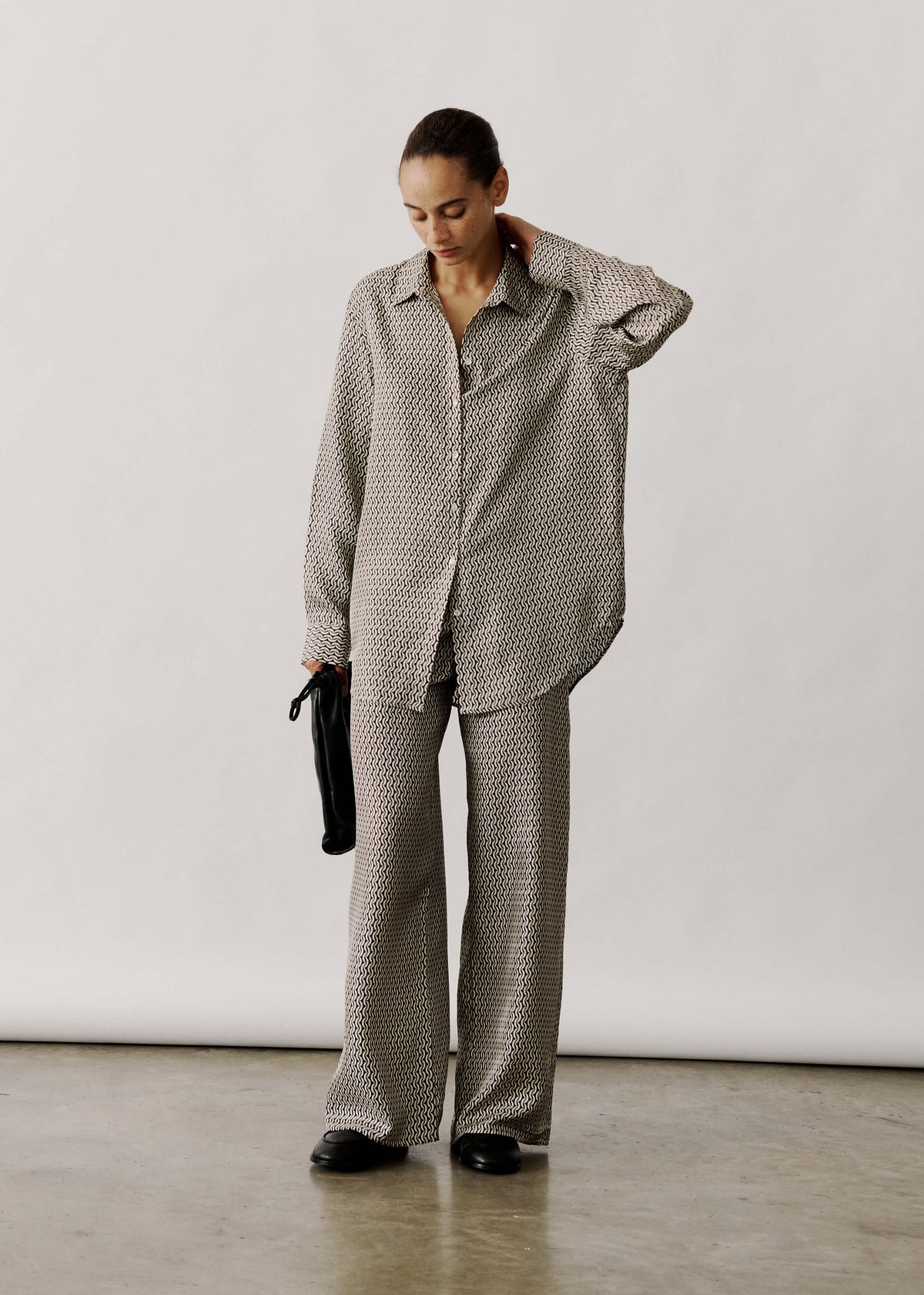
Choose a heavier linen dress for durable, opaque wear.

3. Choose the most flattering silhouette for your figure
Start by noting shoulder width, bust, natural waist, and hip line. Then try the dress on and move: sit, walk, and raise your arms to observe how the linen lies. If the fabric skims rather than clings at the narrowest point, the silhouette reads as tailored. If it falls straight from the shoulders, it forms a column that visually lengthens the body. Use neckline and sleeve choices to shift perceived proportions: a V-neck draws the eye down to elongate the torso, a square or boat neck broadens the shoulders, and cap or puff sleeves add visual width. Finally, consider hem length and footwear, which adjust the balance between leg and torso.
Small tailoring and finishing touches can refine the silhouette: add darts, take in the side seams slightly, or thread a narrow belt through the waist to transform a boxy linen dress into a more defined shape. Because linen reveals structure and creasing, minor alterations often produce a greater visual change than replacing the entire garment. Layering provides another way to shift proportions. A cropped jacket or structured blazer emphasises the waist, while a longline cardigan or coat lengthens the frame. Try combinations of differing lengths and fabric weights, and stand in the shoes you are likely to wear to observe how each option shifts shoulder, waist, and hip balance before selecting the look that best complements your proportions.
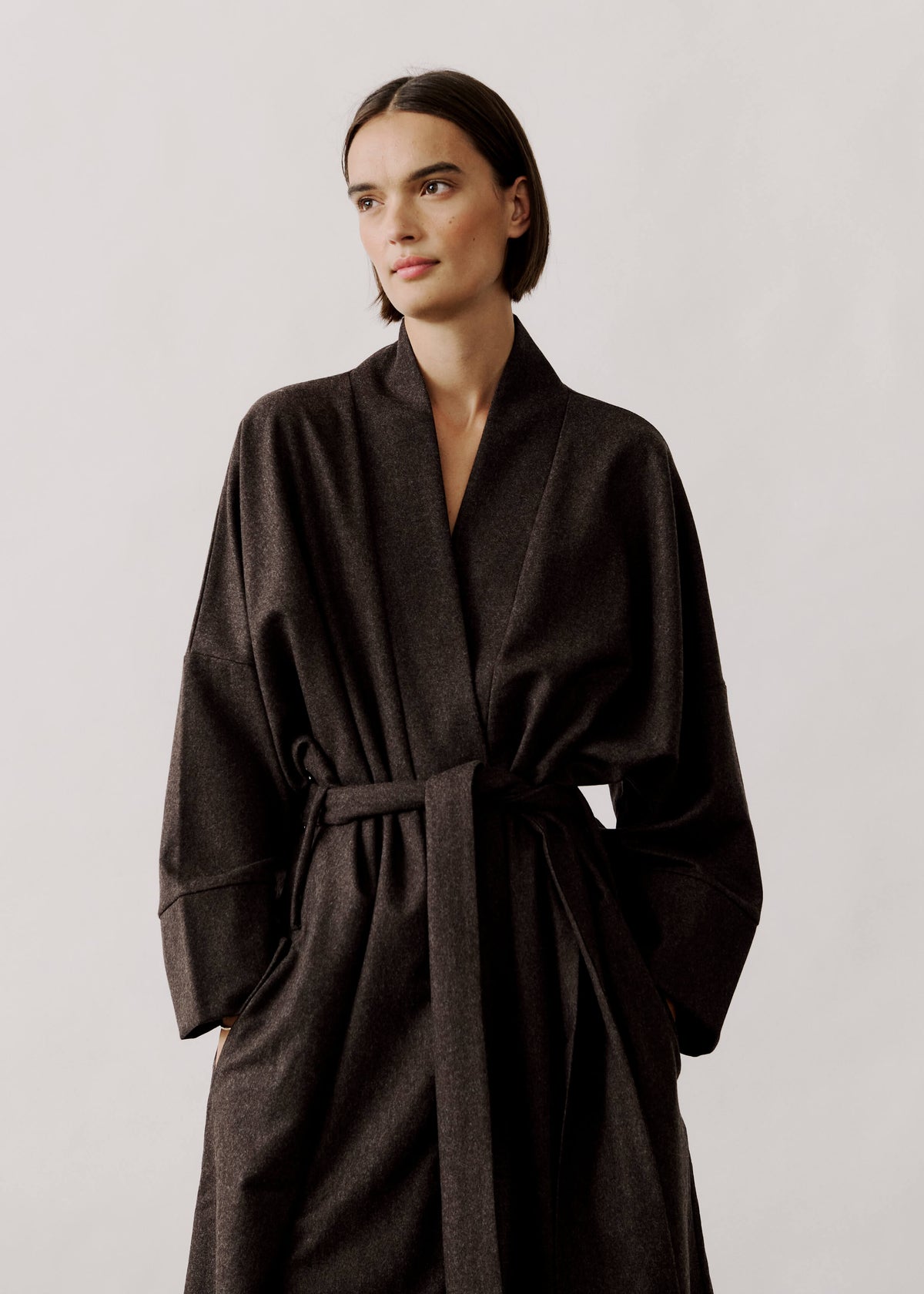
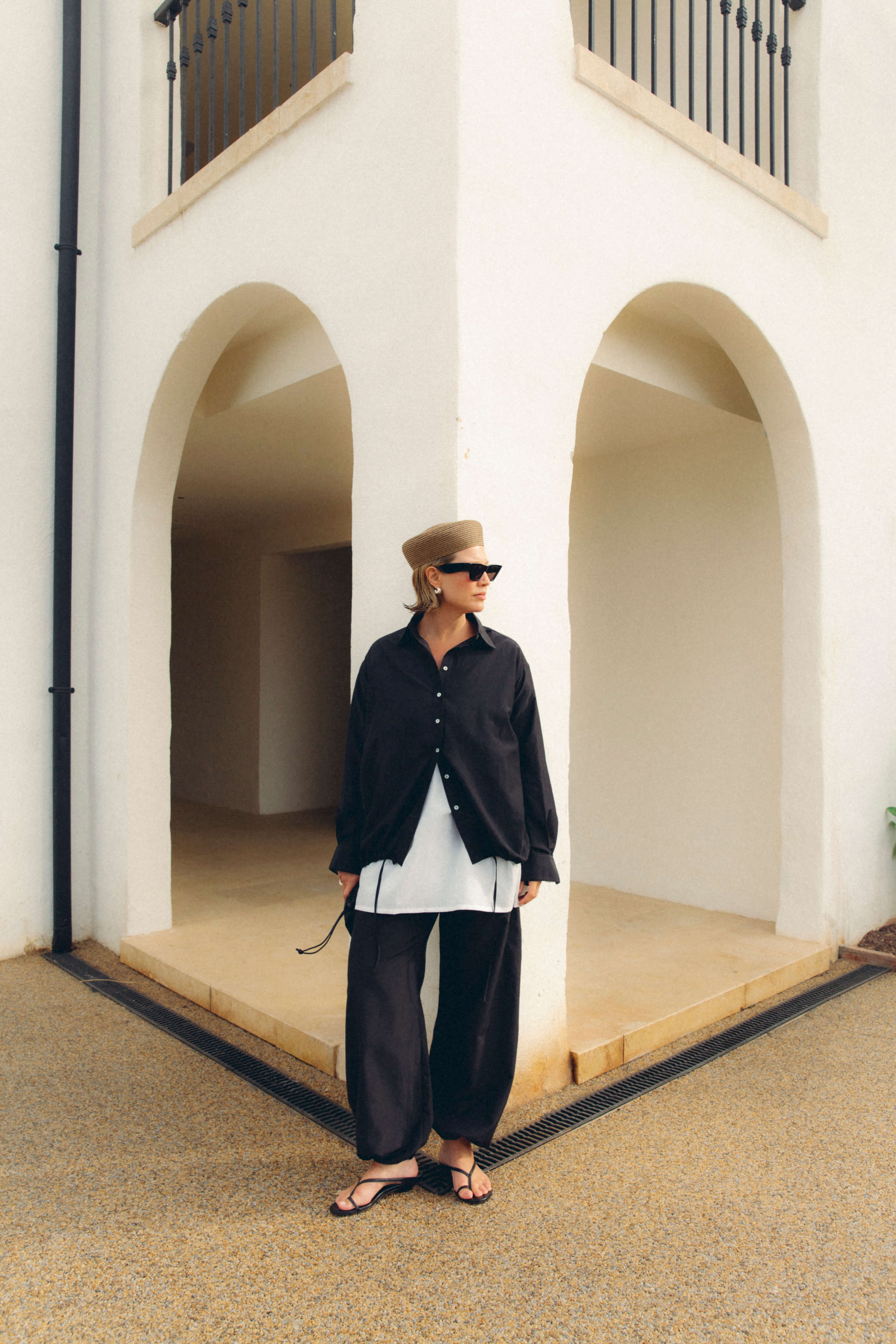
Layer a lightweight shirt, tie it to define waist.

4. Anchor the dress with appropriate foundation garments and layers
Begin with a lightweight slip or camisole in a breathable fabric to minimise transparency and reduce cling in linen. Match the piece to your skin tone when checking under strong light, or choose the same shade as the dress for a seamless black silhouette. Choose smooth, tonal undergarments and hosiery, such as seamless briefs, high-waisted shaping pieces, or sheer tights, to maintain clean lines without restricting movement. Layer slim, functional pieces that retain breathability, for example a thin thermal vest or a close-fitting waterproof shell, so you can add warmth or protection from wet weather without bulk. These wardrobe foundations preserve the dress's natural drape while keeping it comfortable and reliable.
Select a single structured outer layer to change a dress’s purpose: a fitted blazer or longline coat for work, a cropped jacket for running errands, or a soft, textured cardigan for relaxed weekends. Anchor the waist with a belt or sash to prevent billowing and establish proportion; a narrow belt will lengthen, a wider one will emphasise the waist. Try the belt over or beneath lightweight layers to subtly alter the silhouette. The interplay of tailored structure and fluid drape refines the outfit, while considered layers and neat underpieces keep lines clean and movement effortless.
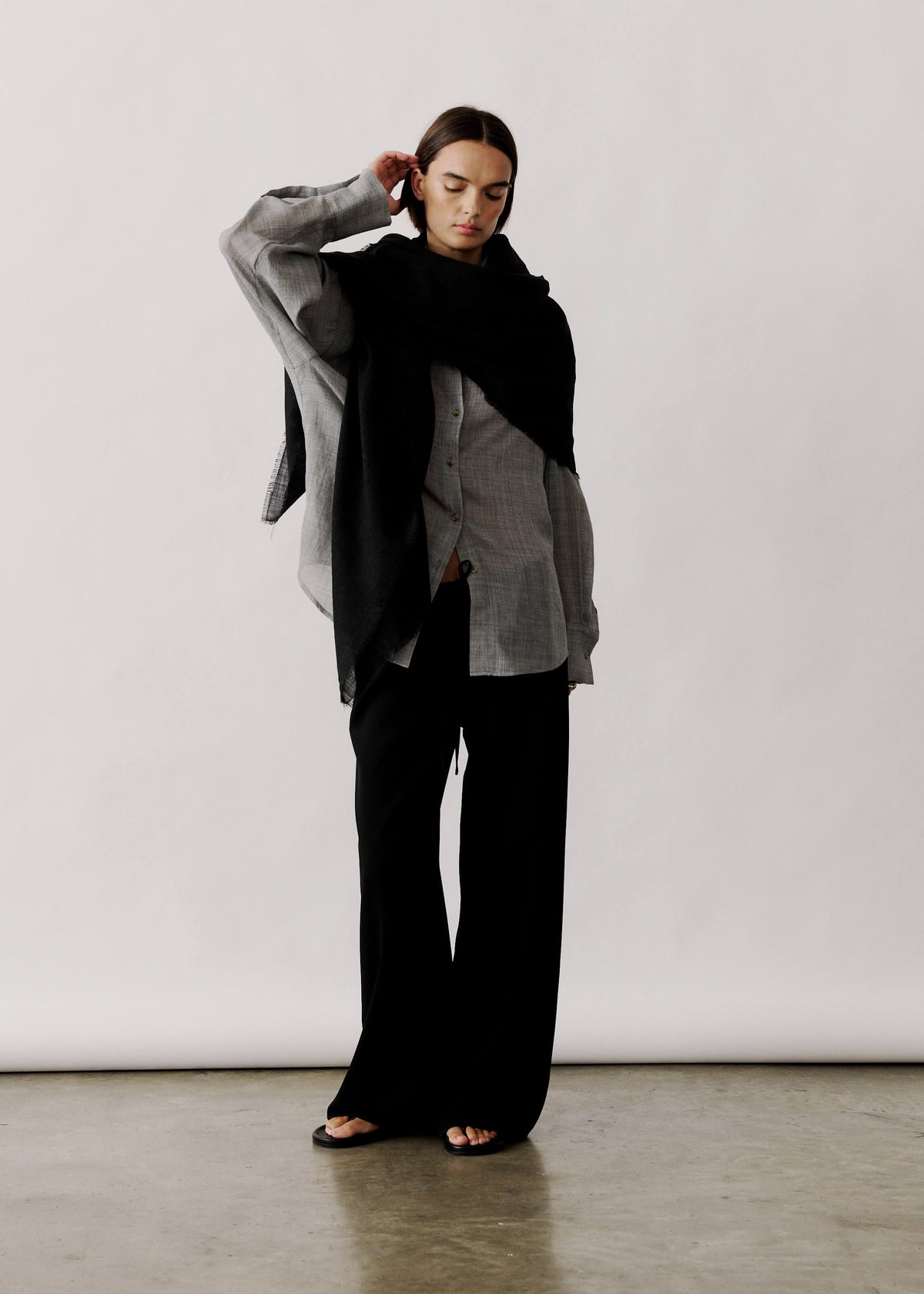
Layer a sheer black shirt for seamless coverage.

5. Opt for relaxed elegance: comfortable shoes and a practical bag for errands
Choose structured, comfortable footwear rather than styles that prioritise looks alone. Trainers, supportive sandals, or low-heeled loafers with a grippy sole, a wider toe box, and a cushioned insole reduce rubbing and fatigue during multiple stops; test any new pair on a short walk before committing to a longer outing. Wear breathable socks or no-show liners with open shoes, and fit thin adhesive heel pads to new pairs to prevent blisters. Select breathable underlayers to make the most of linen's natural ventilation, and favour lightweight, natural fibres or anti-static blends to minimise cling.
Choose a crossbody or small shoulder bag with internal compartments to keep keys, phone, and wallet accessible, and tuck a compact, foldable tote inside for groceries so the main bag stays organised and weight sits evenly. Make the dress easier to move in by half-tucking the front or adding a slim belt to shorten the silhouette, rolling the sleeves, or knotting a lightweight jacket at the waist for hands-free coverage and extra pockets. Pack small, multipurpose items: a waterproof pouch for receipts and loose change, a compact umbrella or packable hat for unexpected weather, and a pair of slip-on flats for uneven pavements. These simple adjustments preserve the relaxed linen silhouette, distribute weight to reduce shoulder strain, and add practical protection from rain and rough surfaces, so errands feel more effortless and comfortable.
Choose an adjustable linen dress for effortless, breathable movement

6. Elevate a dress with tailored layers and polished shoes
Layer a single-breasted, slightly nipped-in blazer over a black linen dress; the defined shoulder and crisp lapel sharpen linen's relaxed drape, giving the outfit a deliberately composed silhouette. Slip a fine roll-neck or a crisp button-through shirt beneath the dress to introduce vertical lines and a collar that frames the face while adding warmth. Finally, define the waist by taking it in or adding a slim leather belt — a small tailoring detail that often converts a casual linen piece into a work-appropriate shape.
Choose structured shoes such as loafers, low block heels, or brogues, and keep them clean and conditioned. Shoes free of scuffs preserve a pared-back silhouette and allow the outfit to read as intentional. Complete the look with a longline tailored coat or trench that mirrors the dress's lines so the silhouette remains streamlined rather than fussy. Choose restrained accessories, such as a simple leather bag and minimal jewellery, to maintain a professional profile and let the linen's natural texture show. These polished layers and considered details make a linen dress suitable for errands, the office, and weekend plans.
Layers neatly under blazers for a polished linen silhouette.

7. Style the dress for weekend wear with playful accessories
Lift matte linen by mixing textures and colour. Knot a silk or satin scarf at the neck, add a woven straw hat, or fasten a beaded belt; each introduces contrast in sheen and weave that guides the eye and adds visual depth. Choose statement footwear to alter the mood: colourful trainers read as sporty and practical, platform espadrilles lengthen the silhouette, and embellished sandals register as more festive. A change in sole height or shape subtly shifts posture and perceived formality.
Shift proportions with considered outer pieces: a cropped denim jacket shortens the torso, a belted blazer defines the waist, and an oversized cardigan adds relaxed volume. Fine tune the silhouette with small adjustments to sleeve length or belt placement. Select a single focal accessory, such as sculptural earrings, oversized sunglasses, or a bold tote, and keep supporting pieces restrained so the outfit reads as intentional rather than cluttered. Introduce seasonal or whimsical details that repeat a colour or motif — patterned tights, socks with a subtle motif, a floral hair clip, or enamel pins — to add personality without overwhelming the dress. Repeating one or two colours across accessories ties the look together and lets the dress remain the canvas.
Choose an oversized silk tunic to balance relaxed proportions.

8. Transition from day to evening with an accessory swap
Swap a roomy canvas tote and casual flats for a small clutch or a structured evening bag, and choose sleeker shoes, such as pointed-toe heels or ankle boots, to minimise casual cues and refine posture and the dress's silhouette. Keep essentials in a slim zipped pouch inside your day bag so the change is quick. Replace subtle studs and matte jewellery with polished metal jewellery, a bold cuff, or drop earrings to catch the light and draw the eye upward, signalling formality without a full outfit change.
Cinch the waist with a narrow leather or satin belt, or knot a silk scarf to transform a loose daytime drape into a tailored evening silhouette, reshaping proportions while honouring linen's relaxed texture. Refine the top layer by replacing a relaxed cardigan with a cropped blazer, leather jacket, or silk shawl, or pin a brooch to the lapel to accentuate the neckline and shoulders. Pack a compact transition kit with one pair of statement earrings, a compact mirror, a bold lipstick or cream eyeshadow, and a slim clutch to make the change in moments. Coordinate finishes and textures within the pouch so a single, focused statement lifts the dress and spares a wardrobe swap.
Throw on a silk tunic for instant polished layering.

9. Complete each look with considered accessories and refined footwear
Anchor a relaxed linen silhouette with structured footwear, such as a low-heeled loafer, a pointed flat, or a firm-soled sandal. These shapes sharpen the hemline and prevent the dress from appearing shapeless, creating a cleaner profile that moves seamlessly from morning errands to the office. Belt choices further refine proportion: a narrow belt at the natural waist produces a tailored, work-ready shape, while a wider woven belt softens the silhouette for weekend ease. Sliding the belt slightly higher visually lengthens the leg without altering the dress, so experiment with placement to flatter different proportions.
Choose a single focal accessory, such as a pendant, bold earrings, or a printed scarf, and keep the rest pared back — a minimal watch or small studs will suffice. Pair linen deliberately with smooth leather, braided raffia, or silk so that a structured bag or neat cuff contrasts with linen's natural creasing, making the styling feel intentional. Let purposeful footwear, one statement piece, and the interplay of contrasting textures signal the outfit's function and elevate a simple black linen dress without fuss.
Choose a structured linen dress for polished, crease-resistant ease.

10. How to pack and store linen so it travels well and lasts longer
Wash and thoroughly dry the dress before packing. Damp or soiled linen encourages mould and can set stains, so packing dry protects the fibres. Treat fresh marks promptly and smooth seams so folds fall along the seam lines. For casual wear, roll the garment gently to reduce sharp creases; to preserve structured hems and collars, fold along existing seams and pad high-stress points with acid-free tissue. Rolling saves space, folding maintains shape. Choose breathable storage—use a cotton garment bag, a mesh packing cube, or lay the dress flat in your suitcase rather than sealing it in plastic, since linen benefits from airflow and trapped moisture accelerates fibre breakdown and odours.
Hang the dress at the first opportunity to allow gravity to relax the fibres. To release creases, use a handheld steamer or hang the garment in a hot shower; alternatively mist lightly and smooth with your hands to soften linen without over-ironing. Keep a small maintenance kit to hand: a needle and matching thread, a couple of safety pins, a gentle soap bar, and a stain-treatment pen, so you can mend snags and treat spots immediately. Reshape seams after washing to keep hems and collars crisp, and attend to tiny repairs straight away to prevent small faults becoming larger problems. These simple practices reduce permanent creasing and staining, helping the dress remain wearable for errands, work, and weekend plans.
A single black linen dress can move effortlessly from errands to the office to relaxed weekends when you refine its silhouette, care, underpinnings, and layers to suit each role. This guide offers ten practical strategies, covering fit, underpinnings, footwear, accessories, and packing, that demonstrate how subtle adjustments and considered maintenance preserve the fabric and shift formality without adding extra garments.
Refer back to the headings and assemble three go-to combinations, photographing each outfit for quick reference. Assemble a compact repair and transition kit, for example, a small sewing kit with spare buttons, a few safety pins, a silk scarf or lightweight blazer, and fold-flat shoes, so swapping between errands, the office, and evening remains effortless. These small, repeatable steps reduce decision fatigue, prolong the dress's life, and allow one versatile piece to appear composed throughout your day.


Leave a comment
This site is protected by hCaptcha and the hCaptcha Privacy Policy and Terms of Service apply.