
How to Choose Shoes and Outerwear That Elevate Any Silk Dress
A silk dress can read playful, formal, or relaxed, depending on the shoes and outerwear you pair with it. Making one dress work for a wedding, the office, and on holiday is simpler when you follow a concise, reliable framework.
This post explains how to assess silhouette, fabric, and occasion; pair shoes with a dress's shape and the setting; and choose outerwear and layers for day, evening, and travel. Apply these practical steps to transform a single silk dress into considered outfits that feel comfortable, look intentional, and suit your plans.

Evaluate your silk dress: silhouette, fabric, and how it suits the occasion
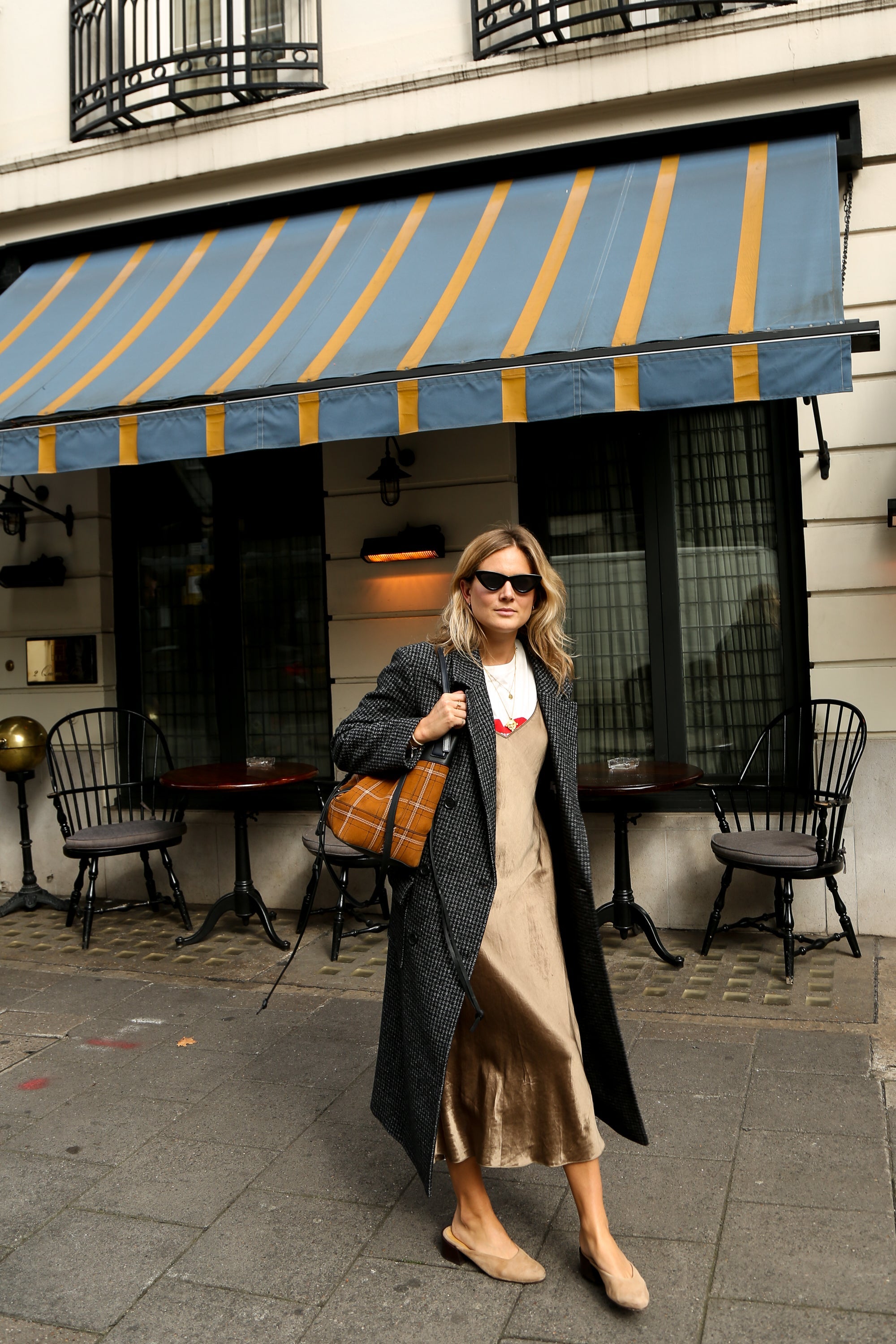
Identify the dress silhouette and balance proportions. If the dress is a straight slip, bias-cut, A-line, or full skirt, choose shoes and outerwear that either preserve the line or create a deliberate contrast. For example, pair a bias-cut dress with a structured coat and sleek shoes, and ground a voluminous skirt with cropped outerwear and weightier footwear. Assess the silk's weight, weave, and sheen to choose complementary textures. Lighter, glossy silks tend to slither and reveal every seam and fastening, so favour smooth, low-friction linings and soft, unstructured layers that skim the body. Heavier, matte silks hold shape, so they can tolerate firmer, more sculpted coats and chunkier shoes. Match heel height and coat construction to the occasion and expected movement. Prioritise supportive soles and ankle support for long periods of standing or dancing, and opt for sleeker shoes and tailored layers for shorter, formal appearances.
Control perceived proportions by aligning garment lengths and sightlines. Match a coat hem with a defining point on the dress, such as the waist or skirt hem, to create a continuous line, or introduce a deliberate break with contrasting lengths to add intention. Consider the shoe-to-hem relationship: pointed-toe shoes extend the line of the leg, while ankle boots and flats create a horizontal break at the ankle that shortens and anchors the silhouette. Test the complete outfit in motion and natural light — walk, sit, and raise your arms to reveal any clinging, riding-up, or catch points, and view the look in daylight to assess colour and sheen interactions. Experiment with small swaps, for example different shoe shapes or a belted rather than open coat, to discover which combination preserves the dress’s lines and best suits the planned activity.
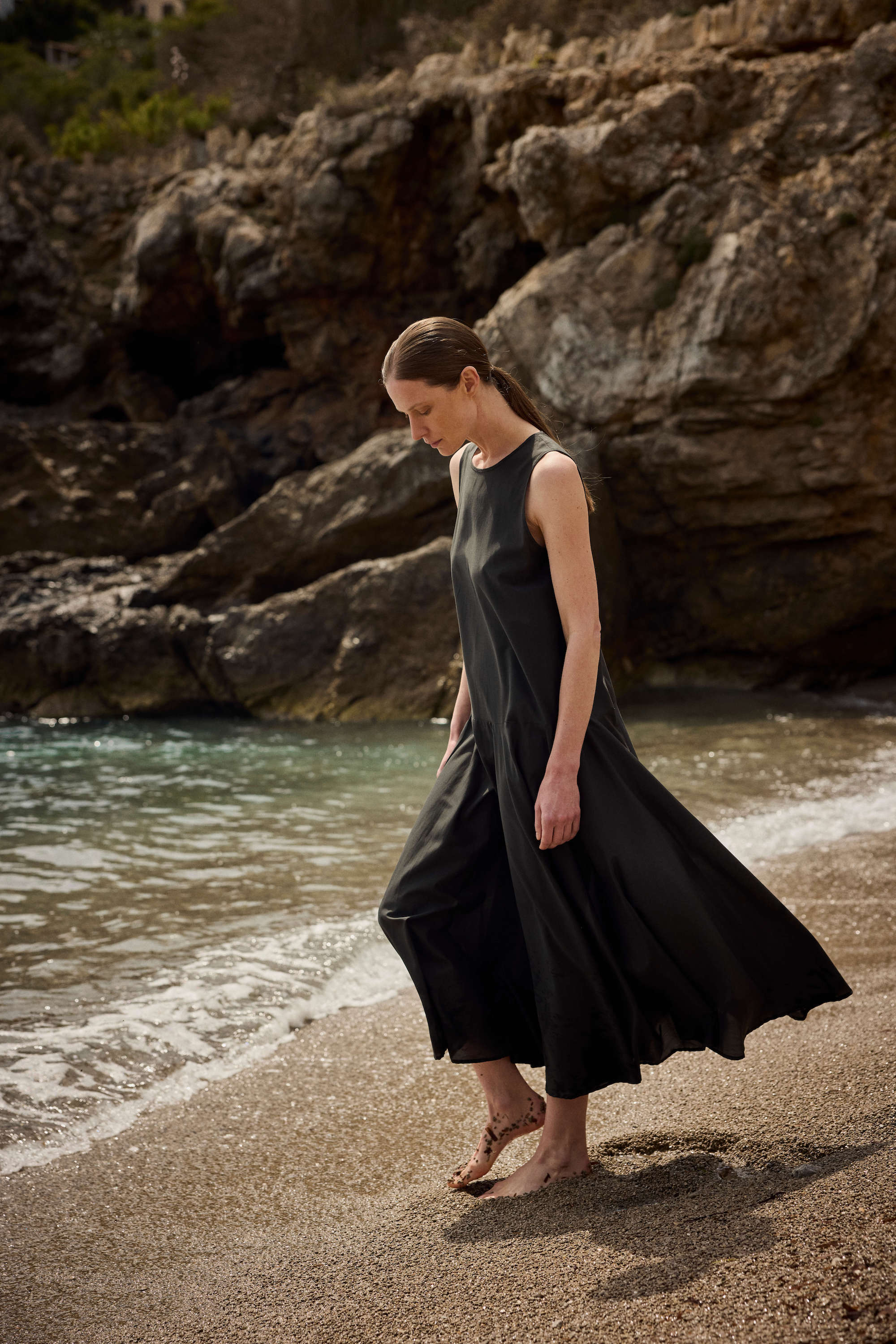
Choose a bias-cut silk slip to enhance fluid movement.

Pair shoes with your dress silhouette for every occasion
Higher heels lift the hemline and lengthen bias-cut silhouettes, making them well suited to formal occasions. Low heels or flats stabilise midi lengths, keeping daytime looks practical and comfortable. Pair voluminous A-line or ruched silk skirts with pointed-toe pumps, slim ankle boots, or minimalist sandals to preserve a streamlined silhouette, while clingier, narrow dresses benefit from chunkier soles or platform styles that anchor the outfit. Toe shape and strap placement alter leg lines: pointed toes create the illusion of length, rounded or square toes read more relaxed, ankle straps interrupt the vertical flow, and slingbacks or open-backed styles maintain an uninterrupted line. Match glossy silk with a similarly lustrous finish for a refined, tonal effect, or introduce matte leather, suede, or metallic accents to add depth without competing with the fabric.
Let the terrain and length of wear determine your shoe choice. For outdoor events or long days, favour block heels, thicker soles, or wedges; they distribute weight more evenly and protect against uneven ground. Reserve delicate sandals and stilettos for stable indoor floors, and carry a compact pair of flats or low heels as a practical backup so your outfit remains intentional across unpredictable surfaces. Balance silhouette, sole structure, and material to create a coherent look that feels purposeful in any setting.
Pair silk-wide trousers with heels for a lengthening silhouette.

How to Choose Outerwear and Layers for Day, Evening, and Travel
Match outerwear length to the dress hem and silhouette. Cropped, waist-length jackets preserve the waist on bias-cut or mid-length silk dresses, while long, straight coats create an elongated line with short or mini pieces. Choose structured fabrics that hold shape to prevent silk from clinging, and favour tailored cuts as a crisp counterpoint to silk’s fluid drape. Select shoes by function and proportion: low-to-mid heels, supportive flats, or low-profile boots with grippy soles suit daytime and travel, while slimmer heels or strappy sandals lift the hem and emphasise movement for evening.
Pair silk with matte, structured fabrics such as wool, denim, or cotton to heighten its natural sheen. Opt for lined, technical outerwear when you need wind or moisture resistance. Wear a thin slip or camisole to reduce static and prevent cling, then layer with a single structured piece rather than several thin layers to avoid bulk at the waist. Use a belt, a cropped cardigan, or a loose scarf to define the silhouette and control how the silk drapes from day to evening. For travel, wrap silk in tissue or roll garments inside a soft outer layer, stuff shoes to retain their shape, and favour compressible outerwear and rubberised soles to protect delicate hems on varied surfaces.
After discussing shoes, outerwear, and travel, remember that a silk dress becomes more versatile when you consider silhouette, fabric, and occasion together, rather than treating shoes and outerwear as afterthoughts. Align shoe shape, heel height, and coat length with the dress's lines and the event to create an intentional, comfortable look that moves with you.
Put this into practice: assess the silhouette and fabric; tailored shapes suit structured, supportive shoes, while flowing silks pair best with low-profile, grounded footwear that handles varied terrain. Choose a structured, lined coat for polished evenings, or simple, layered pieces that travel well by day. Test outfits in motion: walk, sit, and climb stairs. Keep a compact spare pair of shoes, and refine a few go-to combinations so a single silk dress adapts reliably to multiple plans.
FAQ
What should I consider first when styling a silk dress?
Assess the dress's silhouette, fabric weight and sheen, and the occasion so you can choose shoes and outerwear that either maintain the line or provide a deliberate contrast; for example, pair a bias-cut dress with a structured coat and sleek shoes, and ground a voluminous skirt with cropped outerwear and weightier footwear.
How do I choose shoes that suit different silk dress silhouettes?
Use shoe shape to control proportions: pointed toes and slingbacks elongate, ankle boots and flats shorten and anchor, and chunkier soles or platforms stabilise clingy, narrow dresses; select block heels, wedges, or thicker soles for outdoor events and long periods on your feet, and keep a compact pair of flats or low heels as a backup.
Which outerwear works best for day, evening, and travel?
Match outerwear length to the dress hem and pick structured, lined fabrics to prevent clinging and preserve shape, using cropped jackets for defined waists and long coats to elongate; for travel, choose compressible, weather-resistant outerwear, rubberised soles, and pack silk with tissue or rolled inside a soft layer to protect hems.
Why should I test the complete outfit in motion and in natural light?
Walking, sitting, and raising your arms reveals clinging, riding-up, and catch points that static inspection misses, while daylight shows true colour and sheen interactions, so try small swaps like different shoe shapes or a belted coat to find the most comfortable, intentional combination.
When is it better to match sheen versus introduce contrasting textures?
Match glossy silk with similar sheen for a refined, tonal effect, but introduce matte leather, suede, or metallic accents to add depth without competing with the fabric; heavier, matte silks also tolerate firmer coats and chunkier shoes when you want more structure.

Leave a comment
This site is protected by hCaptcha and the hCaptcha Privacy Policy and Terms of Service apply.