
How to Choose, Fit, and Layer Black Linen for Effortless Summer Comfort
Black linen promises a cool, relaxed look for warm weather, yet the wrong weave, weight, or fit can leave it heavy, clingy, or creased. How do you preserve that effortless black silhouette without sacrificing breathability, comfort, and flattering proportions?
This guide explains how to select breathable black linen by assessing weave and weight, perfect the fit with flattering summer silhouettes, and layer, style, and care for everyday pieces. Use these practical tips on fabric, cut, and layering to stay cool, look composed, and extend the life of your summer wardrobe.
Selecting breathable black linen: weave, weight, and comfort
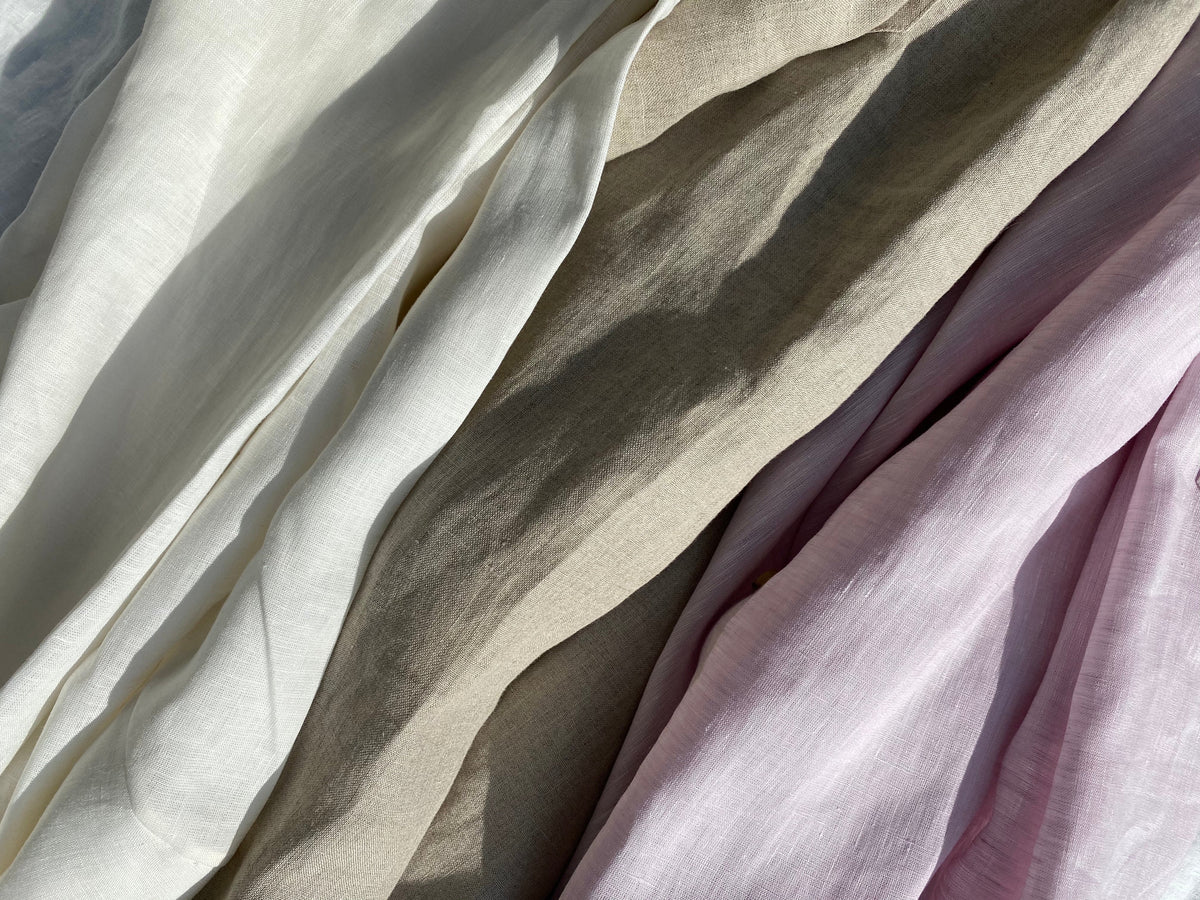
Compare weave openness by holding a swatch to the light. Plain and basket weaves sit more tightly, offering greater structure and opacity, while leno and slub weaves reveal gaps that increase airflow. Match fabric weight to garment function: very lightweight linen feels airy and suits shirts or summer pyjamas but can be semi-sheer; midweight fabrics balance drape, opacity, and ventilation for trousers and dresses; heavyweight cloth gives shape and durability for jackets, and traps more warmth. For modesty, choose a slightly heavier weave or add a lightweight lining, such as cotton voile or silk, bearing in mind that every additional layer reduces overall ventilation.
Test a fabric’s breathability in minutes: cup a swatch and breathe through it to estimate airflow, pinch and gently stretch to judge yarn density, and rub to reveal slub and texture. Fabrics that allow noticeable air passage or show tiny gaps will cool more effectively in still air. Bear in mind that deep black dyes and heavy sizing can stiffen fibres and reduce permeability, so inspect the finish if maximum airflow is a priority. For a softer, more open hand and reduced first-wash shrinkage, opt for pre-washed or garment-washed linen. Finally, balance opacity and ventilation deliberately by choosing the right weave, weight, and any lining so you preserve airflow while meeting your modesty and durability needs.
Opt for heavier linen to increase coverage and durability.

Perfect the fit and select flattering summer silhouettes
Select linen garments with considered ease so the fabric can move and breathe as it softens. Allow about 2 to 4 cm at the bust or chest, and slightly more at the hip, to prevent clinging while avoiding a baggy silhouette. Check shoulder seams, armhole depth, and rise to ensure freedom of movement, and prioritise pieces a tailor can alter easily. Small alterations, such as shortening hems, taking in side seams, or adding darts, will refine the silhouette as linen relaxes, transforming a generic fit into something more flattering and comfortable.
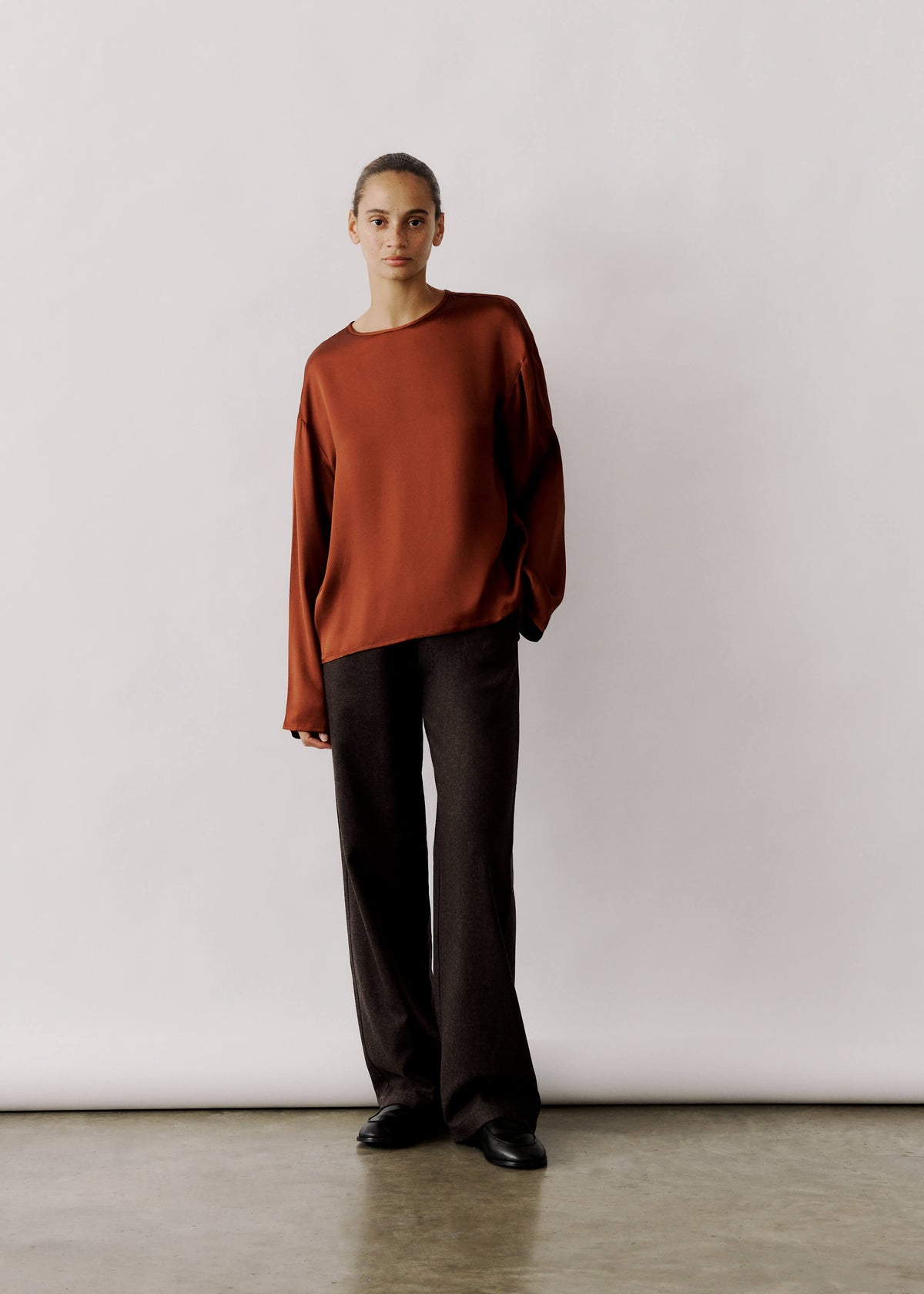
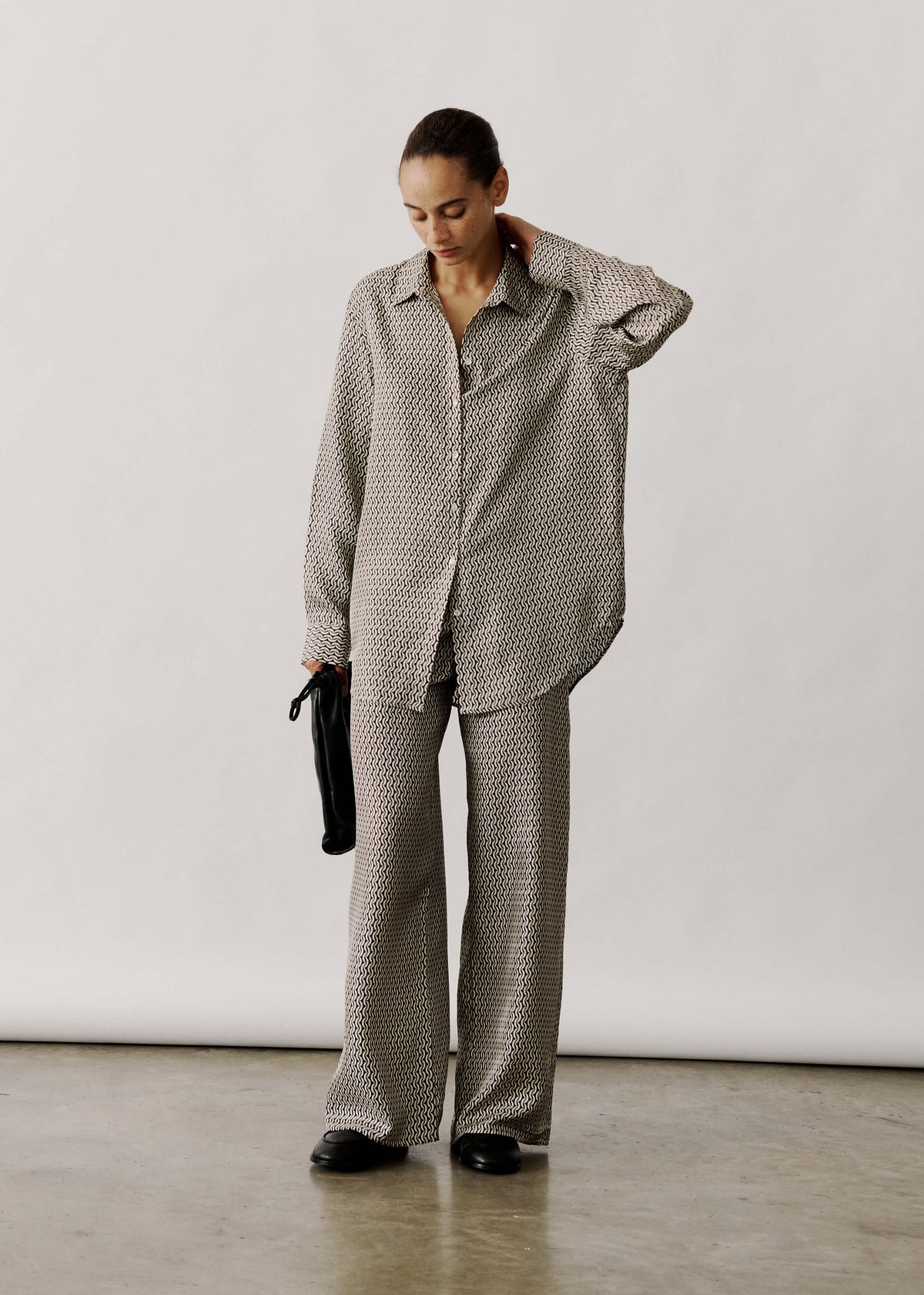
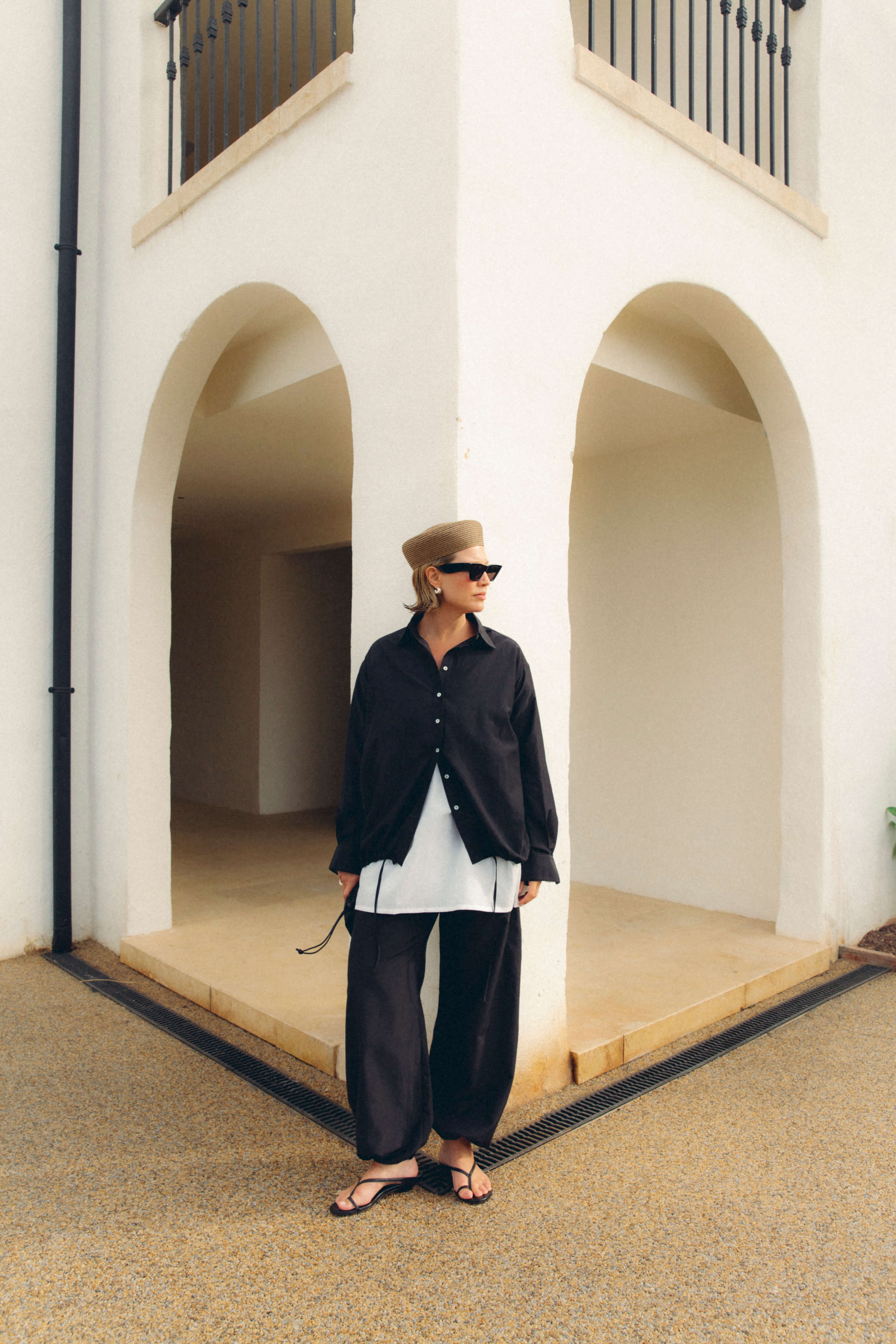
Balance proportions by pairing a slightly boxy linen shirt with tapered, cropped trousers, or tuck a structured shirt into high-waisted, wide-leg trousers to lengthen the leg line. Choose short or three-quarter-length sleeves and cropped or ankle-length hems to reveal the wrists, forearms, and ankles; this exposure encourages airflow and helps the body cool naturally. In humid conditions, keep layers loose and open to maintain circulation. Start with a thin, moisture-wicking base layer to manage perspiration and reduce transparency, then add an unstructured linen overshirt or lightweight jacket for sun protection and visual depth.
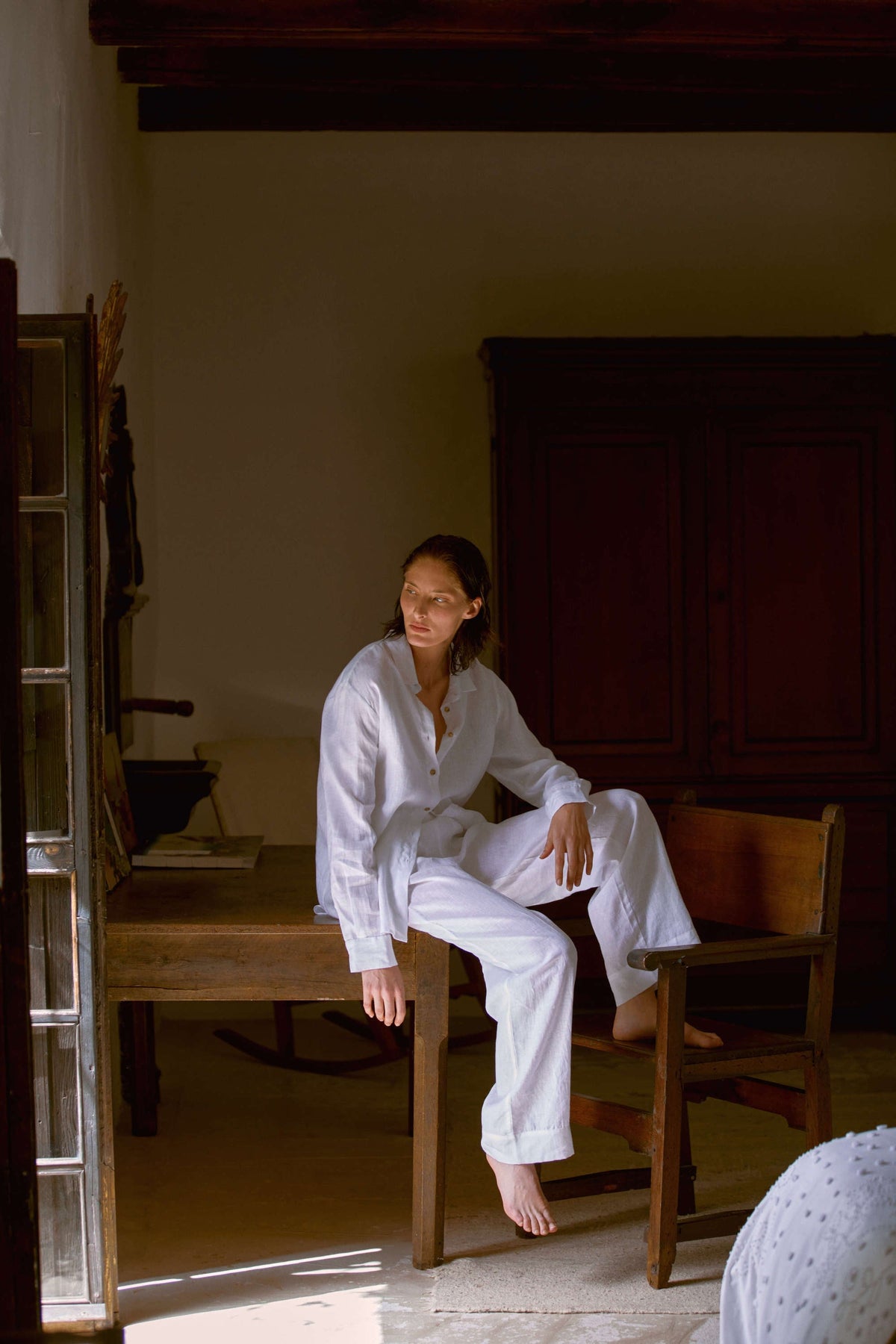
Layer a lightweight white overshirt for breathable summer coverage

How to layer, style, and care for everyday black linen
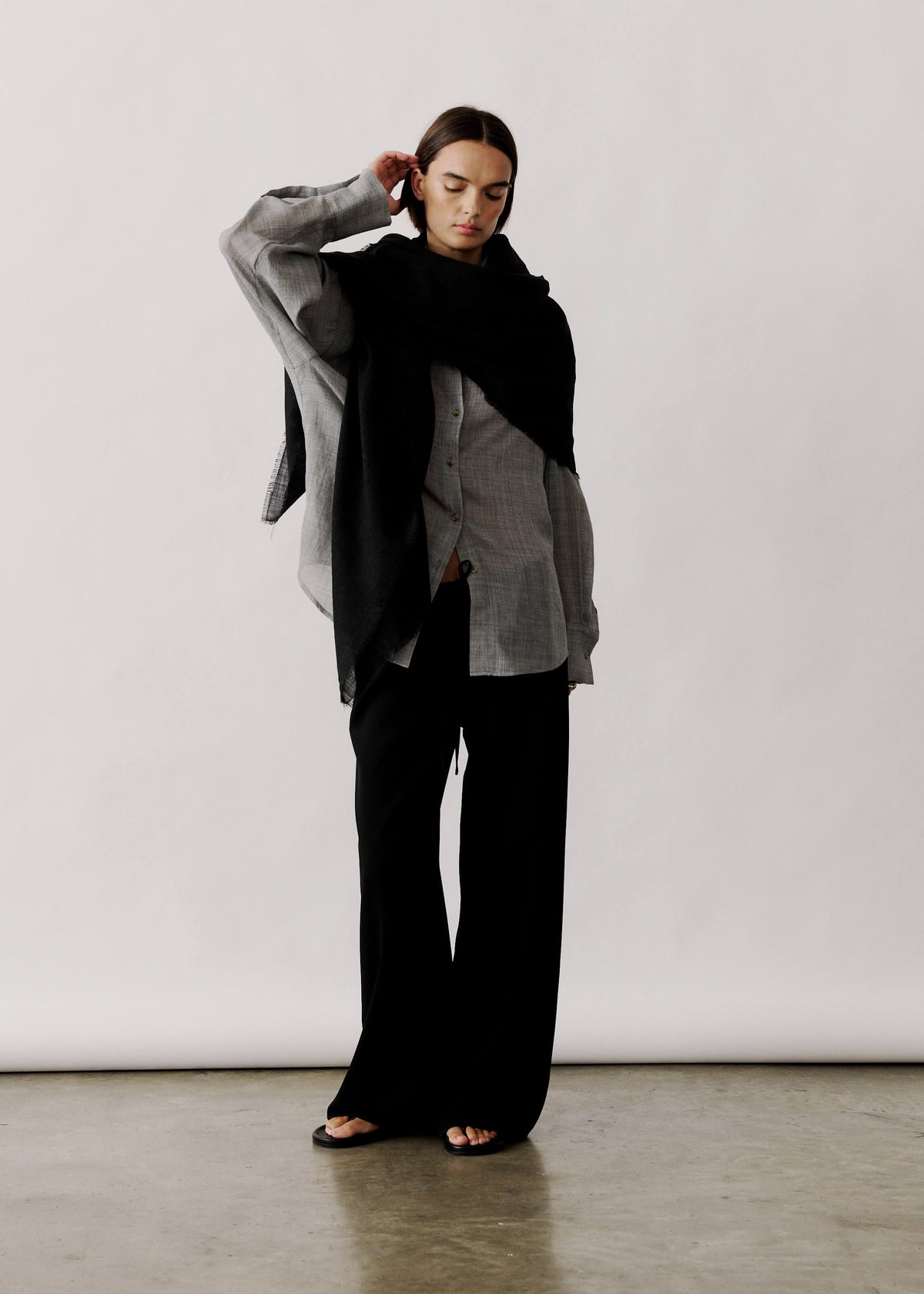
When preparing pieces to layer, style, or care for, hold the fabric up to the light to assess openness. For summer breathability, favour a fine open weave or a lightweight slub; if opacity is a concern, opt for lined trousers or skirts. Allow extra room through the torso, shoulders, and sleeves so the garment floats away from the skin, and when trying pieces on sit, bend, and reach to ensure they do not cling or restrict, since looseness enhances natural ventilation. Layer with thin, breathable bases such as fine cotton or silk camisoles, use an oversized or open-front shirt to promote airflow, and add a lightweight knitted layer only when a little warmth is needed.
Introduce contrasting textures such as a fine knit, washed denim, or soft leather to give black linen dimension. Balance a relaxed silhouette with a single tailored piece to preserve shape, and place light-coloured accessories close to the face to reflect light and soften black’s visual weight. Wash in cool water on a gentle cycle or by hand; reshape and dry flat or on the line in the shade to prevent sun fading. Iron or steam while the fabric is slightly damp to smooth fibres. Avoid tumble drying to limit shrinkage, and spot-treat stains promptly to prevent set-in marks and help the fabric retain its breathability. Taken together, these steps keep black linen feeling light, comfortable, and fresh across many warm days.
Black linen keeps you cool in summer when you match the weave and weight to the garment's purpose, choose a cut with deliberate ease, and layer to preserve airflow. Simple checks reveal which pieces will ventilate and soften: hold a swatch up to the light; if light passes through the weave, the fabric will breathe more readily; cup the cloth to gauge how much air moves through it; and favour pre-washed or looser weaves, which tend to drape softer and relax with wear.
Also, choose a fabric weight suited to the garment's purpose. Allow roughly 2 to 4 cm of ease at the bust; this permits gentle movement and encourages airflow. Favour cropped hems or three-quarter sleeves to reveal a touch of skin and promote convective cooling while maintaining flattering proportions. Make small alterations, layer with breathable base garments, and use gentle laundering; these measures reduce trapped heat and fibre strain, helping black linen remain breathable, comfortable, and resilient during prolonged spells of warmth.
FAQ
What weave and weight of black linen should I choose for hot weather?
Choose open leno or slub weaves for maximum airflow, and lightweight linens for shirts or pyjamas if you can accept some semi-sheer-ness; midweight balances drape, opacity, and ventilation for trousers and dresses, while heavyweight suits jackets but traps more warmth. Prefer prewashed or garment washed linen for a softer, more open hand.
How can I test a black linen fabric for breathability before buying?
Hold a swatch to the light to reveal weave openness, cup the fabric and breathe through it to gauge air passage, pinch and stretch to feel yarn density, and rub to check slub texture; also inspect the finish because heavy dyes or sizing can stiffen fibres and reduce permeability.
What fit allowances should I look for so linen does not cling in summer?
Allow roughly 2 to 4 cm of ease at the bust or chest and a little more at the hip so the fabric can move and soften without looking baggy, and check shoulder seams, armhole depth, and crotch rise to ensure freedom of movement. Choose pieces a tailor can adjust easily for small refinements once the linen relaxes.
How should I layer and style black linen to stay cool and maintain modesty?
Start with a thin, moisture-wicking base layer to manage perspiration and reduce transparency, then use oversized or open-front linen shirts and cropped hems or three-quarter sleeves to expose wrists and ankles for convective cooling; add a lightweight lining to trousers or skirts when opacity is needed, and balance loose silhouettes with one tailored piece for shape.
How do I care for black linen so it stays breathable and lasts well?
Wash in cool water on a gentle cycle or by hand, reshape and dry flat or on a line in the shade to avoid sun fading, and iron or steam while slightly damp; avoid tumble drying to limit shrinkage and treat stains promptly so the fabric ages evenly and remains breathable.


Leave a comment
This site is protected by hCaptcha and the hCaptcha Privacy Policy and Terms of Service apply.