



How to Choose Silk Pieces for Effortless Layering in Changeable Weather
Unpredictable weather can undo a carefully curated look. A considered edit of silk pieces, selected for their weight and weave, makes subtle temperature shifts easier to navigate. Which silk weights and weaves offer breathability on warmer days while retaining warmth as the air cools?
Tailor silk weight and weave to the climate, curate a compact capsule for effortless layering, and finish with weatherproof outer pieces and lightweight insulation, harnessing silk's natural breathability and insulating qualities. These practical techniques help you pack lighter, adapt with ease and remain comfortable without added bulk.

How to choose silk weight and weave for different climates and uses
Momme refers to the thread density of silk rather than how heavy it feels on the body. Typical ranges correspond to performance: 8 to 12 momme for very lightweight, highly breathable pieces; 12 to 16 for versatile layering; and 16 to 22 or above for greater wind resistance and durability. Choose a lower momme for hot conditions, a mid-range for changeable weather, and a higher momme when you want extra insulation or longevity. The weave influences behaviour too. Satin or charmeuse lend a smooth, fluid drape and a subtle sheen but can cling, crepe provides a matte, springy texture that resists cling, and chiffon or gauze maximise airflow. Use these characteristics to decide whether you prefer a silken slip, a fabric with more body, or maximum breathability.
When assessing silk, whether in store or online, begin by holding the fabric up to the light to judge opacity and the density of the weave. Drape a swatch over your hand to sense its fluidity, and feel both sides to note the finish and any tendency to cling. For online purchases, check the listed momme weight and weave in the product details. Match the piece to its intended role: lightweight, open-weave camisoles or slips work well as base layers that wick and reduce friction; mid-weight crepe or charmeuse shirts offer body without bulk; and higher-momme, tightly woven silk or silk-lined garments make better outer layers for blocking wind and maintaining a refined silhouette. Factor care and durability into your choice, since higher momme and tighter weaves withstand abrasion and frequent wear more readily, while very fine weaves need gentler handling and benefit from lining or a less glossy finish where they will rub against bags or coarser fabrics.
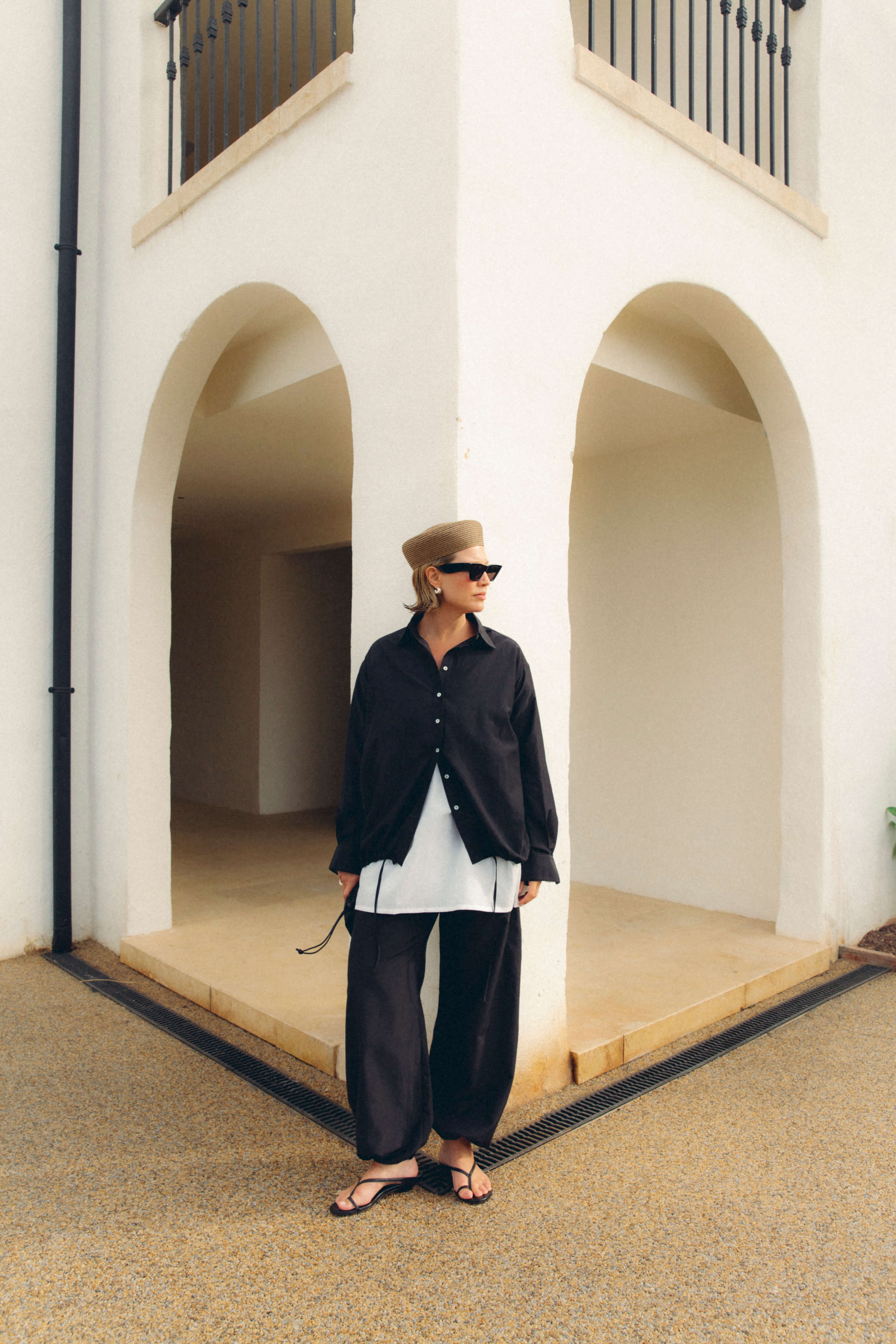
Choose a mid-weight silk shirt to layer effortlessly.

Create a compact silk capsule for effortless layering
Choose a range of silk weights with distinct purposes: lightweight pieces, such as camisoles and scarves, for cooling and moisture management; midweight shirts and blouses to provide structure and gentle warmth; and heavier silks or silk blends for outer layering. Consider drape and fabric weight to anticipate how each piece will trap air and sit beneath other garments. Prioritise versatile silhouettes that layer with ease, for example close-fitting camisoles as base layers, button-front shirts that double as light jackets, slip dresses worn alone or beneath knits, and longline cardigans or wraps for adjustable coverage.
Limit your palette to two neutral shades, a contrasting neutral, a single accent colour and a small-scale print to multiply outfit permutations while keeping the capsule compact. Choose silk for base layers and cooling pieces, prized for its lightness and moisture-wicking qualities, then layer breathable cotton or linen for warmth and add wool or technical outerwear for protection from wind and rain. Plan for care and packing by including at least one washable silk blend for easy laundering, rolling garments to minimise creases, and selecting multi-use accessories, such as a lightweight scarf and a convertible camisole, to extend outfit options without adding bulk.
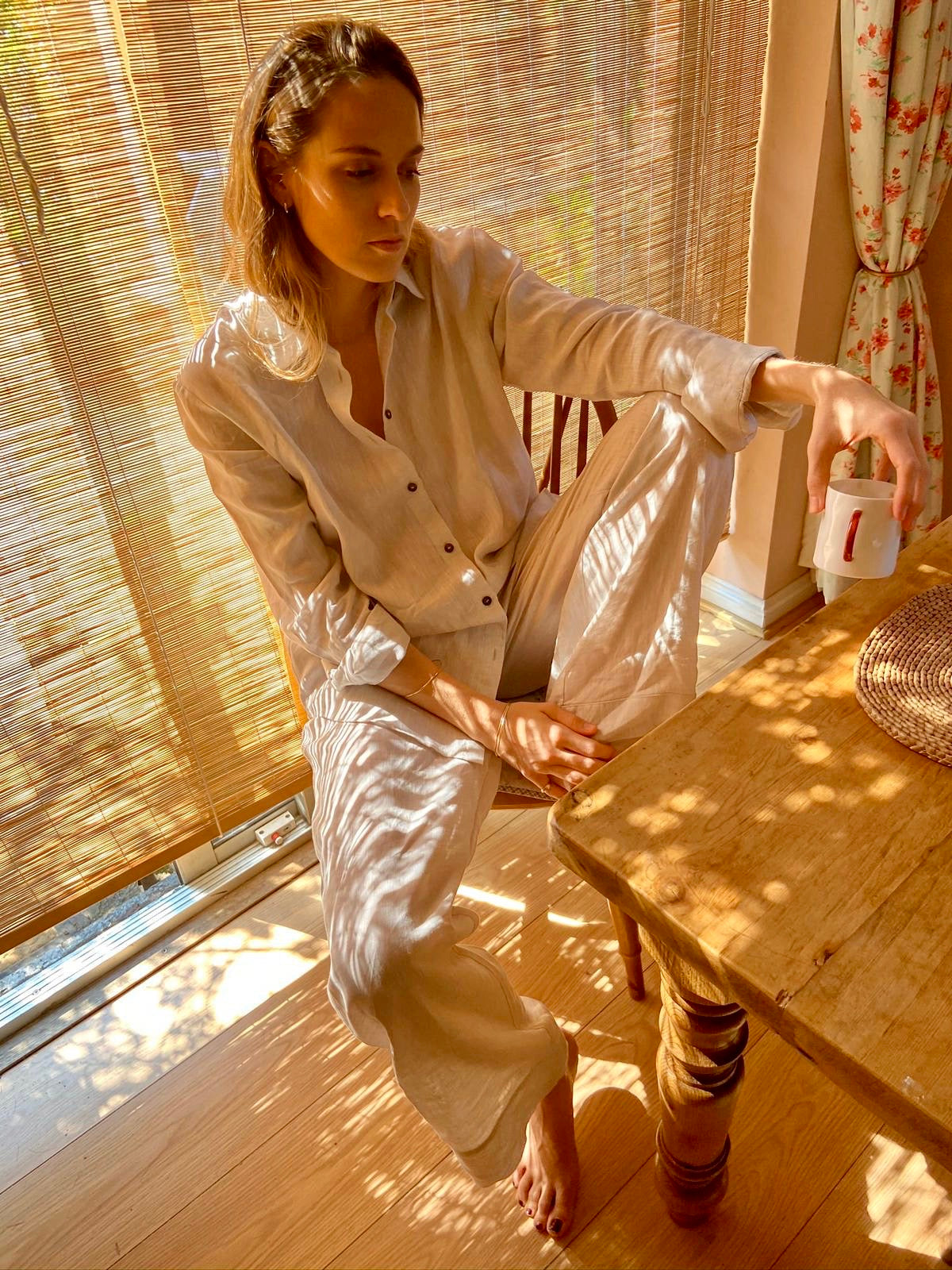
Adds a breezy button-front layer

Layer silk thoughtfully with discreet weatherproofing and subtle insulation
Choose silk by weight and weave according to each layer's role: very lightweight, smooth silk as a close-to-skin base to wick moisture and minimise bulk; medium-weight, tighter weaves as mid-layers to provide modest warmth and gentle structure; and heavier silk or silk-lined pieces as standalone outer tops, since silk filament fibres trap air and deliver an excellent warmth-to-weight ratio. Plan the fit so layers work harmoniously: begin with a close-fitting base, add a thin insulating layer that compresses over warmer zones and rebounds where needed, then finish with a breathable, weatherproof outer. Where additional insulation is required, opt for pieces a size larger to prevent pulling at the shoulders or cuffs once layers are added.
Treat silk with care: always trial a fabric-safe water repellent on an inside seam before treating the whole garment. Apply light, even coats and reproof after washing to maintain protection. Bear in mind that repellents will make water bead but can reduce breathability, so for more active use pair treated silk with ventilation panels or a breathable outer shell. For adaptable warmth choose modular solutions such as removable gilets or quilted liners that concentrate loft across the chest and back. Recycled or high-quality synthetic fills retain loft when damp, while considered baffle placement prevents cold spots and preserves an even layer of insulation. Preserve performance by laundering gently and avoiding high heat, which can crush loft and degrade protective finishes. Store insulated pieces rolled or laid flat to retain their insulating air pockets and to reduce creasing.
A small, carefully curated edit of silk pieces, selected by momme weight and weave, lets you regulate temperature without adding bulk. Very low momme weights and open weaves such as chiffon provide a cool, airy drape. Midweight crepe or charmeuse work beautifully for versatile layering. Higher momme weights with tighter weaves offer increased wind resistance and a more durable structure.
Assemble a compact capsule of camisoles, shirts and heavier silk or silk-lined pieces, then layer a close-fitting base, a compressible mid layer and a breathable outer to regulate warmth. Test any fabric-safe water repellent on an inside seam before treating a whole garment, and when you need insulation that holds its loft when damp favour modular synthetic fills. The result is lighter travel, quicker adaptation and comfortable warmth with minimal bulk.
What momme and weave should I choose for different temperatures?
Aim for 8 to 12 momme and open weaves like chiffon or gauze for hot days, 12 to 16 momme with crepe or charmeuse for changeable weather, and 16 to 22+ momme with tighter weaves for wind resistance and durability; satin or charmeuse drapes and can cling, crepe resists cling, and chiffon maximises airflow.
How do I assemble a compact silk capsule for variable weather?
Include lightweight camisoles and scarves, midweight shirts or blouses, and at least one heavier silk or silk-lined piece, favouring versatile silhouettes like close-fitting base camisoles, button-front shirts, slip dresses, and longline cardigans; limit colours to two neutrals, a contrasting neutral, an accent, and a small print to multiply outfits.
How should I layer silk to manage temperature swings?
Start with a snug, very lightweight silk base to wick moisture, add a compressible mid layer that concentrates loft over chest and back, then finish with a breathable, weatherproof outer; choose slightly larger sizes where needed so layers do not pull at shoulders or cuffs.
Can I make silk water repellent, and what are the trade offs?
You can treat silk with a fabric-safe water repellent after testing on an inside seam and applying light, even coats, but repellents bead water while reducing some breathability, so pair treated silk with vents or a breathable shell and reproof after washing.
How should I care for and pack silk to preserve performance?
Launder gently, avoid high heat that crushes loft and degrades finishes, store garments rolled or laid flat to retain insulating air pockets and reduce creases, and include at least one washable silk blend when travelling for easier care.



Leave a comment
This site is protected by hCaptcha and the hCaptcha Privacy Policy and Terms of Service apply.