
Article: How to Choose the Perfect Cover-up for Every Cruise and Beach Occasion
How to Choose the Perfect Cover-up for Every Cruise and Beach Occasion
Choosing the right cover-up can elevate a holiday outfit from merely comfortable to effortlessly elegant, or leave you carrying a piece that feels out of place. How do you choose one that protects you from the sun, flatters your silhouette, and packs without creasing?
Discover how to match cover-ups to occasion, desired coverage, and climate; choose breathable, sun-safe, sustainable fabrics; and select silhouettes that flatter and travel well. Also included are practical styling suggestions for the beach, pool, and evening, along with clear packing and care tips to keep pieces crease-free and holiday-ready.

How to gauge occasion, coverage, and climate for considered dressing
Begin by matching your cover-up to the occasion and the desired level of formality. Loose kaftans and sarongs suit poolside lounging and daytime shore excursions, while structured shirts and lightweight jackets read as smart-casual for evenings on deck. Decide how much skin you wish to cover and choose long sleeves, higher necklines, or wrap styles accordingly. Favour UPF-rated fabrics where possible: tested UPF textiles measurably reduce UV transmission and lower sunburn risk. Consider the climate when selecting materials — choose breathable linen or cotton blends for hot, dry conditions, and lightweight synthetic blends with moisture-wicking, quick-dry properties for humid or windy environments.
Prioritise versatile pieces that pack small: wrap dresses, button-front shirts, and sarongs that double as skirts, scarves, or head coverings. Centre outfits on a neutral base plus a single statement print; that combination multiplies looks while keeping luggage compact. Check practical details such as secure closures, adjustable ties, discreet pockets, and sensible hem lengths to allow confident movement on stairs and boat decks. Choose easy-care, quick-dry fabrics so you can wash garments and wear them again during your holiday. If needed, add a lightweight, wind-resistant layer that compresses easily and protects against breezy conditions without adding bulk.

Selecting breathable, sun-safe, sustainably sourced fabrics for a warm-weather wardrobe
For hot, humid days, choose linen or hemp. They breathe exceptionally well, soften with wear, and generally require less irrigation than many other fibres. Cotton is familiar and breathable, but it tends to hold moisture. Lyocell and modal offer natural breathability and a smooth hand; their environmental footprint stays lower when produced in closed-loop systems. Synthetics dry quickly and wick moisture, which makes them useful for swapping straight from the sea to a deck or bar, but they can shed microfibres into waterways. For sun protection, look for an explicit UPF rating and aim for UPF 30 or higher. Use the hold-to-the-light test: if little light passes through, the weave is dense and will provide better UV defence. Tighter weaves, certain fibre types, and darker colours block more ultraviolet radiation, while wet or stretched fabric usually allows more UV through. If you expect long periods on the beach, favour linen or cotton; if you need to change quickly after swimming, choose quick-drying synthetics or blends. Inspect labels for terms such as quick-drying, moisture-wicking, or breathable fibres, and favour mechanical water repellency over temporary chemical coatings when sustainability matters.
Assess a garment's sustainability by checking recognised textile standards, such as GOTS for organic fibres, the Global Recycled Standard for recycled content, and OEKO-TEX for chemical safety. Judge likely longevity by durability cues: tight construction, reinforced seams, and timeless cuts; fabrics that retain shape and resist pilling typically need fewer replacements, reducing material and energy use over the garment's life. Preserve breathability and UPF performance by washing on gentle cycles with a mild detergent, choosing cooler water and lower spin speeds, and air drying to avoid heat damage. Repair small snags promptly, avoid fabric softeners that coat fibres and impair wicking, and, where possible, use a lint-capturing device or filter to limit microfibre release into waterways.

Choose versatile silhouettes that flatter and travel effortlessly
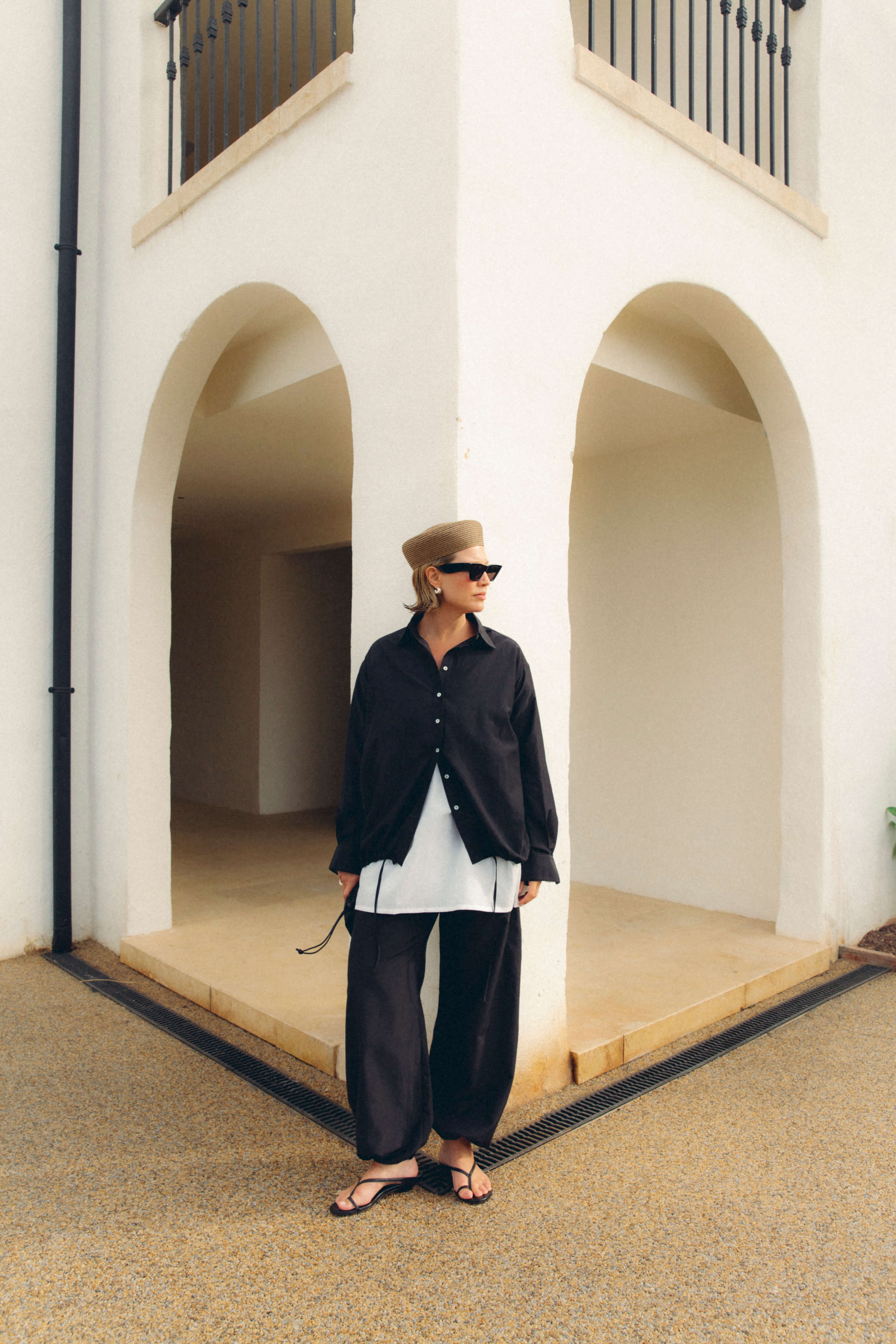
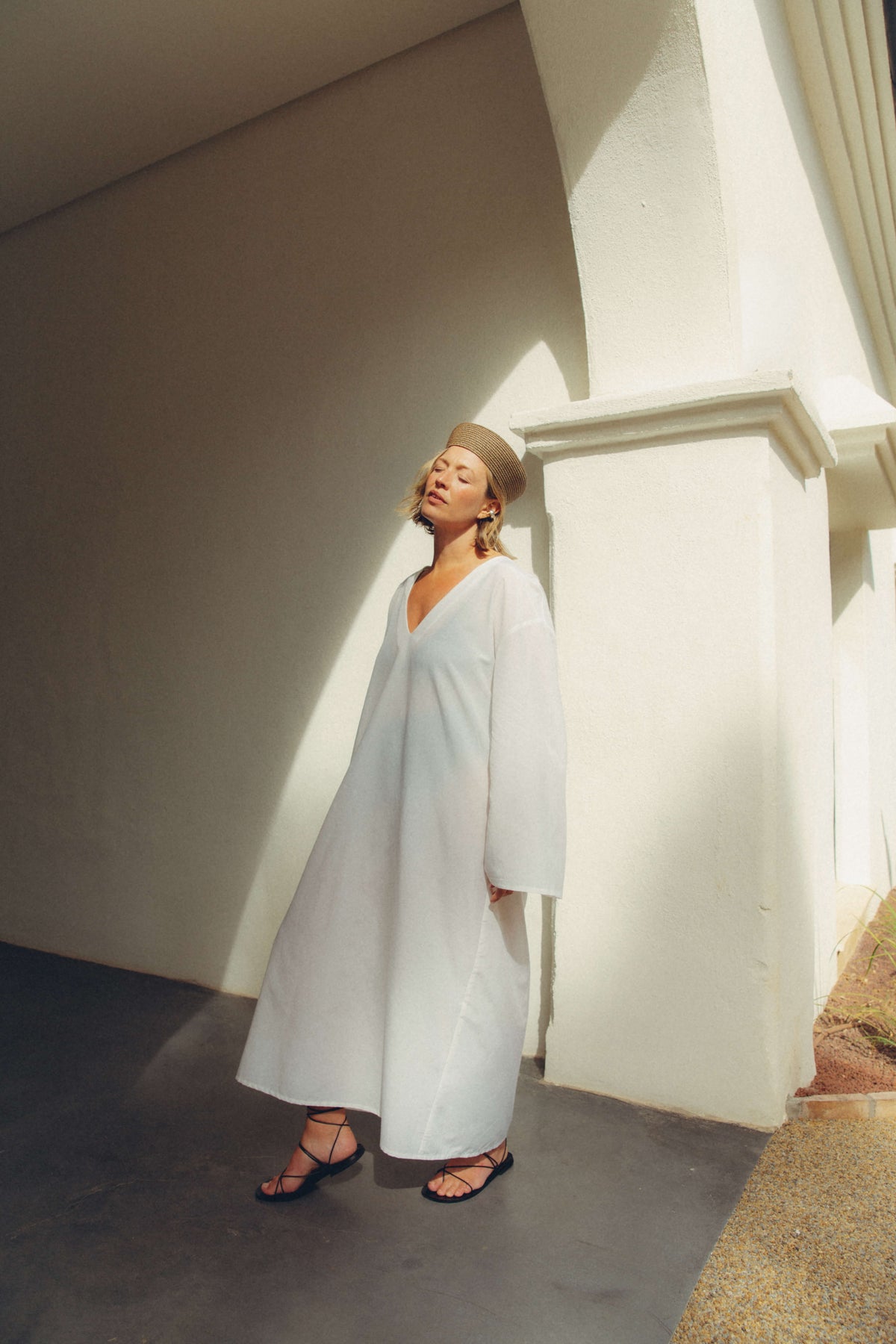
Choose forgiving silhouettes such as kaftans, wrap dresses, and trapeze tunics that skim the body, conceal swimsuit seams, and allow light layering as temperatures shift. Prioritise fabrics that travel well: lightweight jersey, linen blends, and quick-dry technical knits that resist creasing, pack into a compact pouch, and dry quickly after a dip. Opt for adjustable details, such as ties, belts, roll-up sleeves, and button-front closures, to customise the fit, transform a cover-up into a dress, and moderate ventilation on humid days. Match length to the activity, favouring shorter styles for active shore excursions, midi lengths for daytime-to-evening versatility, and full-length maxis for extra coverage and wind protection on deck.
Start with a statement piece and two neutral companions to create a versatile capsule. Test every combination with your swimwear and shore-to-street footwear, such as sandals or trainers, to ensure each look suits the beach, excursions, and casual evenings. Choose garments that compress and dry quickly so you can move between water, boat, and town without frequent laundering. Prefer travel-ready fabrics and convertible elements, such as drawcord waists, roll-up sleeves, and straps that shorten or lengthen, to reduce the number of pieces you need while allowing you to change coverage and silhouette for different moments.
Versatile cover-ups: fabrics, formulas and styling hacks
- Fabrics and care quick guide: favour lightweight jersey and linen blends; choose technical knits that resist creasing, compress to a small bundle, and dry quickly; wash in a sink with travel detergent sheets, roll in a towel to remove excess water, then hang to dry or use a wrinkle-release spray for last-minute refreshes.
- Three-piece capsule formulas to test: statement kaftan + neutral swimsuit + slide sandals for beach-to-bar; statement wrap dress + neutral shorts + trainers for active shore excursions; bold trapeze tunic + neutral midi skirt + sandals for daytime-to-evening ease.
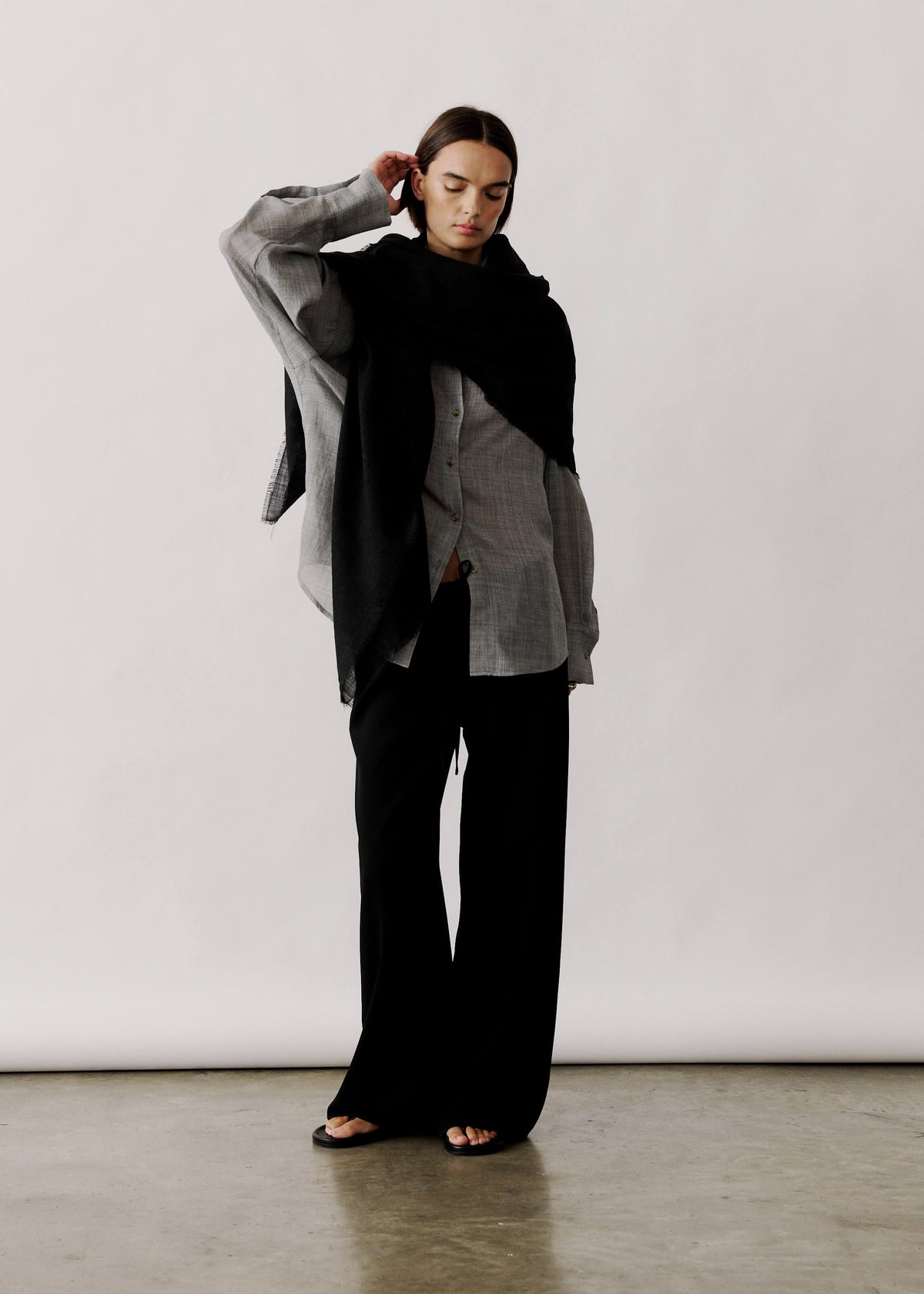
- Convertible styling and layering hacks: use ties and belts to create waist definition, button fronts to convert a cover-up into a dress, and roll-up sleeves or tabs to control ventilation; knot hems to shorten lengths and layer a thin long-sleeve or packable windshirt for extra protection on deck.
- Pack and pre-test checklist: build each holiday set around one statement piece and two neutrals, test each outfit including swimwear and shoes before you pack, choose items which pack down compactly and dry rapidly, and include a small laundry kit and a mesh wet bag to minimise repeat laundering.

Style cover-ups for beach days, poolside moments, and evenings
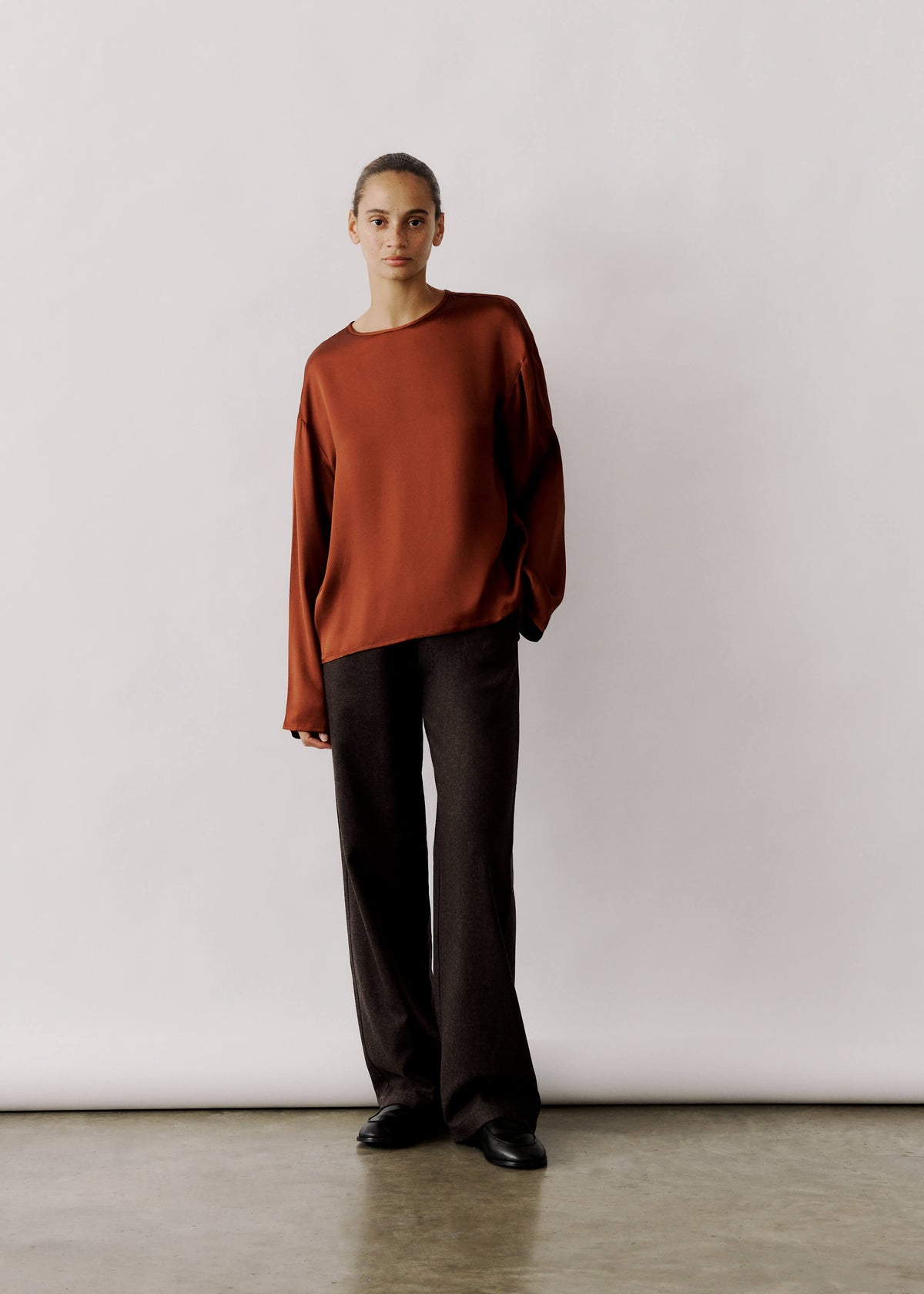
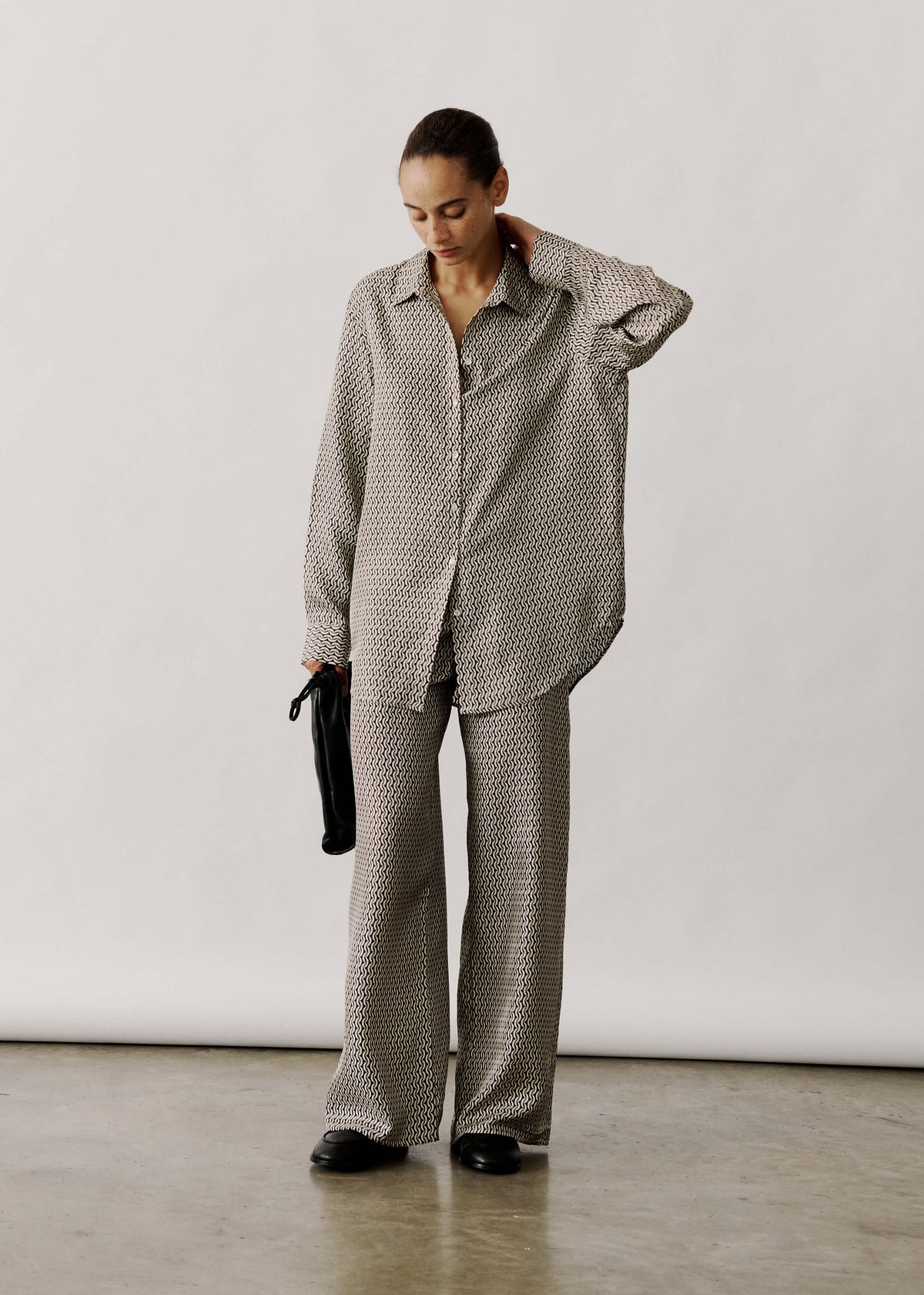
Select fabrics for their function. Loose cotton and linen breathe and feel cool, quick-dry synthetics wick moisture and retain shape, and UPF-rated textiles reduce sun exposure. Match silhouette to the occasion: choose adjustable wraps and sarongs for easy beach-to-pool movement, oversized shirt dresses and tunics for daytime sun coverage, and slip dresses or tailored kaftans that transition into evening with minimal fuss. Consider colour and pattern strategically: darker shades and bold prints conceal damp patches, small-scale prints and vertical motifs flatter a variety of figures, and pairing neutrals with a single standout print keeps coordinating swimwear straightforward.
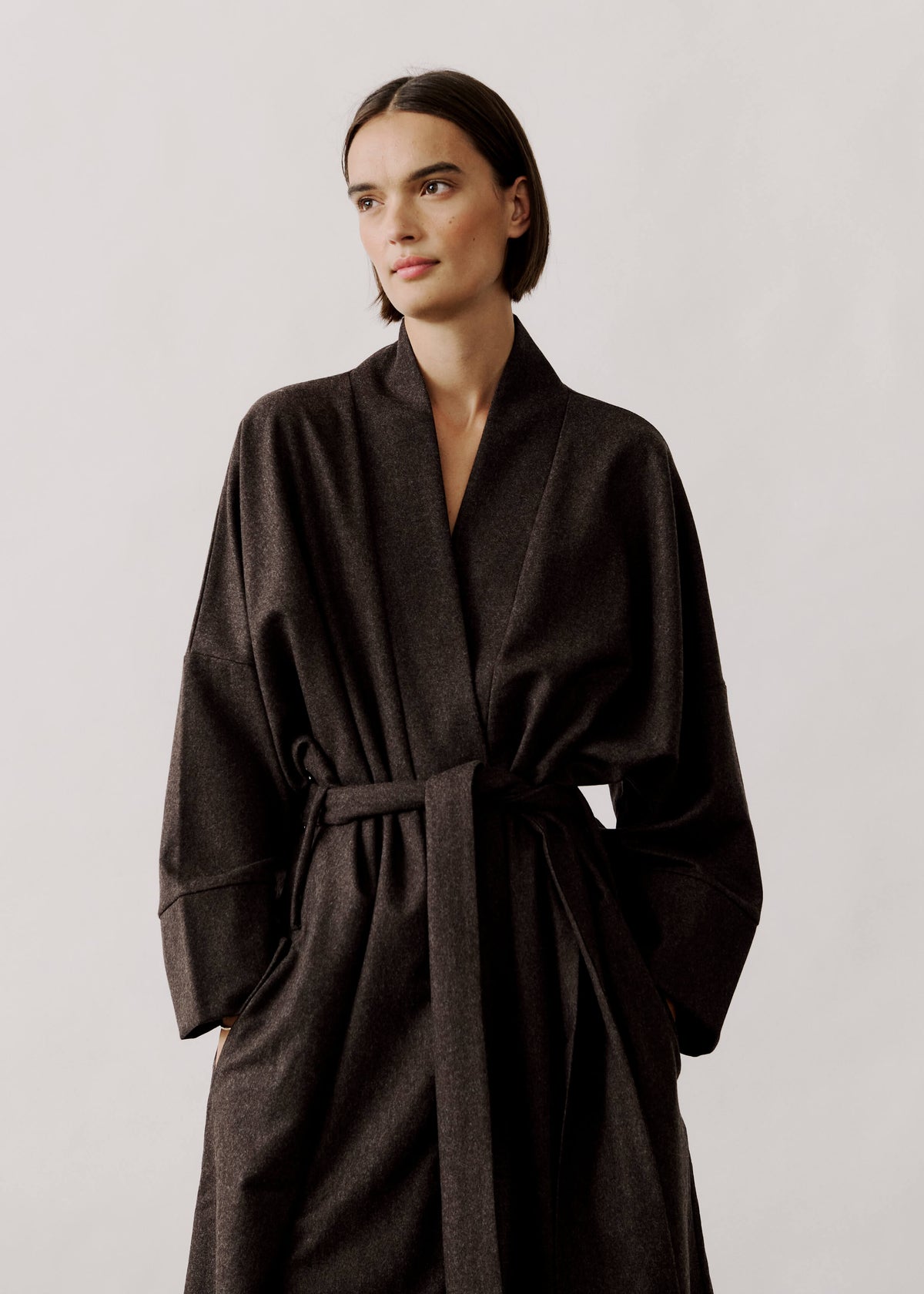
Shift one piece from daytime to dinner by layering a lightweight kimono or cropped linen jacket, adding a belt to define the waist, and replacing flip-flops with strappy sandals and a statement necklace or silk scarf. To prolong the life of cover-ups, rinse items exposed to salt or chlorinated water in fresh water, hang them to dry, and roll rather than fold to reduce creasing and save space in your suitcase. Choose adjustable closures and relaxed, forgiving silhouettes that accommodate movement and slight size changes so the same garment suits lounging, swimming, and evening wear.

How to pack and care for travel-ready cover-ups
Choose fabrics by performance and care. Quick-dry synthetics and blends wick moisture and dry rapidly, making them well suited to humid, active days. Linen breathes exceptionally well but creases easily. Silk or fine rayon make elegant evening cover-ups, though they need gentle laundering. Cotton feels comfortable, but it can trap salt and perspiration and will take longer to dry. Pack to minimise volume and reduce creases: roll lightweight, wrinkle-resistant pieces, fold linen and structured items, and use packing cubes or pouches to separate clean and worn garments. Bring a waterproof bag for wet swimwear, and favour versatile pieces that double as skirts, wraps, or dresses to cut down on quantity. Rotate what you wear so each item can dry and air between uses, and store thoroughly dry garments in breathable bags to prevent mildew and lingering odours.
When you need to clean garments on the go, hand-wash them in a basin with a mild detergent. Rinse thoroughly, press the garment between a clean towel to draw out excess moisture, then hang in the shade to dry. To relax creases, hang the piece in the bathroom while you shower so the steam loosens the fibres, or use a low-heat hairdryer and smooth the fabric with your hands. Treat stains and odours promptly: rinse sunscreen, salt, or sand with cold water and blot rather than rub to avoid spreading. Spot-treat with a small amount of detergent or a travel laundry sheet, and freshen persistent smells with a short soak in diluted white vinegar or a baking soda solution. Always test any treatment on an inside seam first to check for colourfastness and to protect delicate fabrics.
A well-chosen cover-up balances sun protection, breathability, and versatility, letting you move from beach to boat and beyond without changing outfits. Choose UPF-rated fabrics, breathable, quick-dry weaves, and convertible silhouettes, for example a lightweight linen kaftan or a wrap that doubles as a sarong, to ensure comfort, UV defence, and efficient packing.
Use the guide above, matching occasion, fabric, silhouette, and care, to assemble a compact, multipurpose set suited to your plans. Test combinations that include a swimming costume, inspect labels for UPF ratings and care instructions, and choose pieces with adjustable details so you travel lighter and remain prepared for every holiday moment.

Leave a comment
This site is protected by hCaptcha and the hCaptcha Privacy Policy and Terms of Service apply.