
How to Choose Natural Fabrics That Keep You Cool in Humid Climates
In humid conditions, trapped moisture can sit against the skin, causing garments that appear weightless on the clothes rail to cling, feel heavy, and amplify heat. Which natural fibres and weave constructions truly breathe, and how should cut, fit, and care inform what you pack?
Discover how weave, yarn, and fibre shape airflow, how natural fibres perform in humid climates, and how cut, fit, and easy-care choices help you stay cool. Apply these insights to select garments that ventilate, wick moisture, minimise cling, and remain comfortable on holiday and in everyday life.

Prioritise weave, yarn, and fibre to maximise breathability
Natural fibres move heat and moisture in distinct ways; recognising those differences helps you choose fabrics that stay comfortable in humidity. Flax, the fibre used in linen, contains semi-hollow channels that draw moisture away from the skin and release it quickly. Cotton absorbs water readily, but it can retain moisture unless the yarn and weave admit airflow. Silk is a smooth filament that often feels cool against the skin; it takes up some moisture, yet its slick surface can cling when damp. Hemp and ramie combine tensile strength with rapid drying, so they shed moisture efficiently. Yarn structure matters as much as fibre. Loosely spun, low-twist yarns trap less heat and create tiny air pockets that speed evaporation. Tightly spun yarns, or high-filament constructions, feel smoother but restrict airflow and can cling in humid conditions. A simple test: rub and gently stretch a sample—if it springs back tightly, expect more cling when humidity rises. Weave density controls convective airflow. Open, lightweight weaves, such as plain gauze or loose twills, let air circulate through the cloth. Dense weaves and heavy sateens block that movement and hold heat. Before you buy, hold the fabric up to the light to judge porosity, try breathing through it to sense airflow, and favour single-layer, unlined, or partially lined cuts for daytime humidity.
Fabric weight and internal construction play roles in cooling comparable to the role of fibre choice. Lighter weights allow sweat to evaporate more quickly, while linings can trap heat close to the skin. Small amounts of synthetic fibre help garments retain their shape, but they reduce evaporative cooling. Finishes such as coatings, heavy mercerisation, or anti-wrinkle treatments can seal fibres and impede moisture release. Check composition and care labels, and favour minimally finished, natural-fibre-dominant textiles that suit your activity level and the climate.
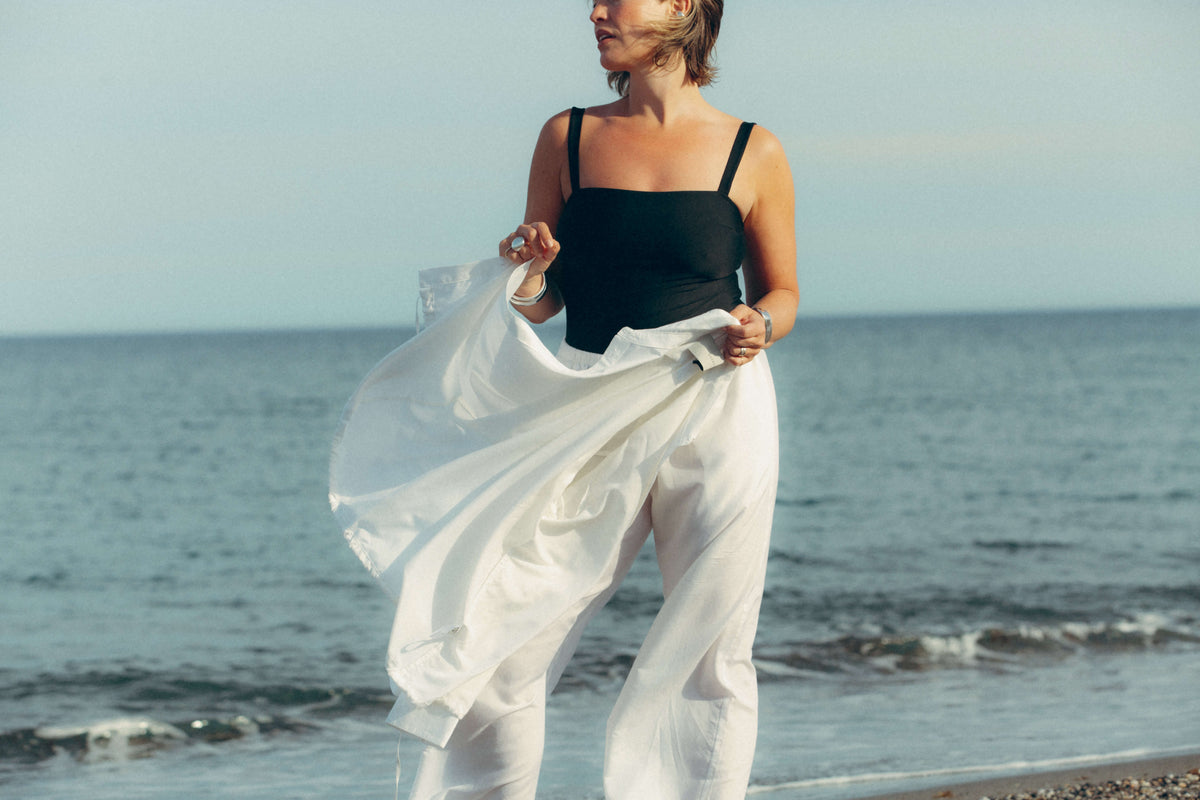
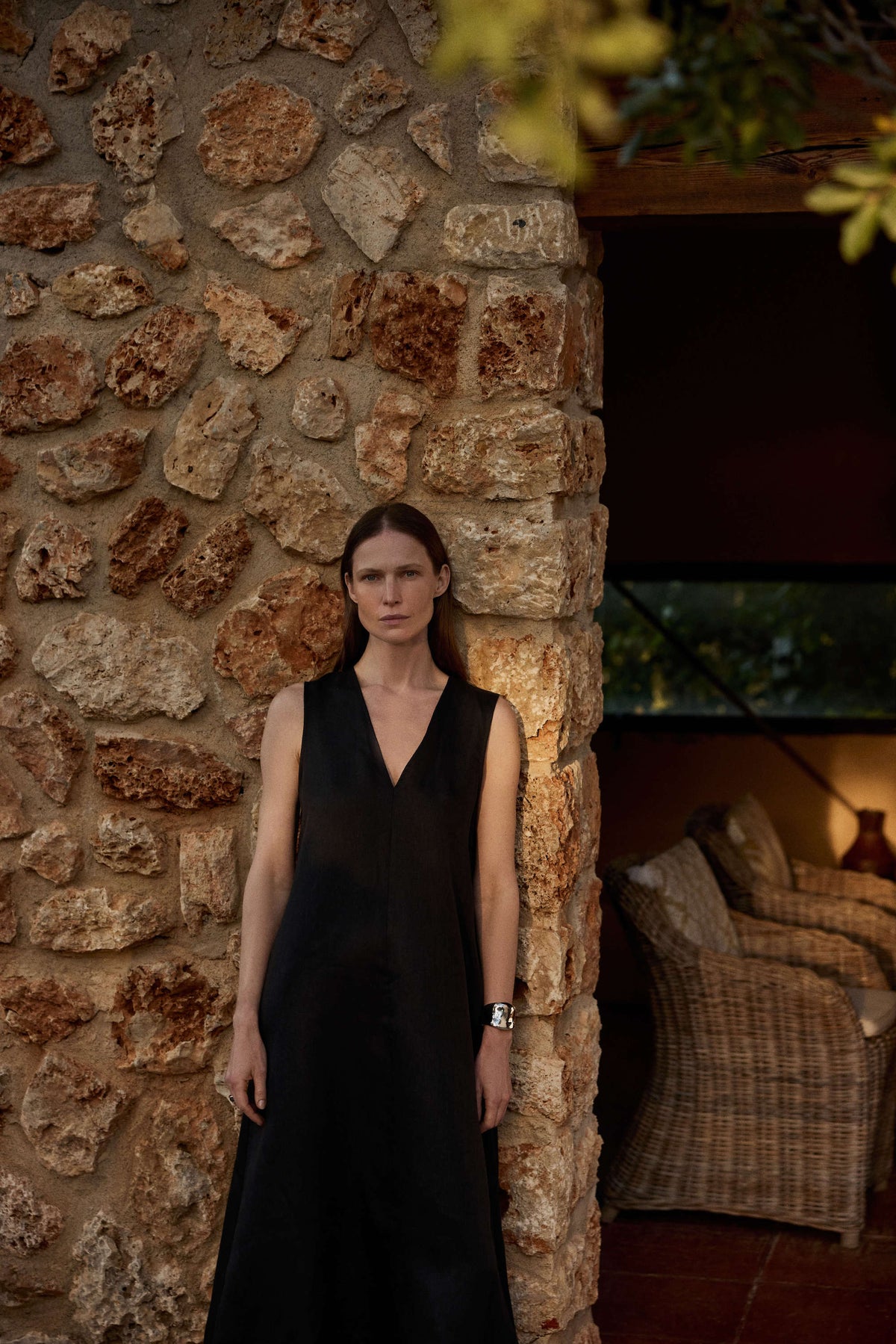
Choose a sheer silk-cotton kaftan for breathable coverage.

How to choose natural fibres for humid climates
Natural fibres respond differently to humidity. Linen, made from flax, has hollow, relatively stiff fibres that promote airflow and shed moisture quickly, so it performs well in humid conditions. Cotton absorbs and retains more water and can feel heavy when saturated, although loosely woven cotton remains breathable. Hemp matches linen for breathability and softens with wear. Silk is lightweight and cool against the skin but has low absorbency, which can make it feel clammy when soaked. Fine wools, such as lightweight merino wool, wick moisture away from the skin and resist odour, making them comfortable on humid evenings. Fibre structure and capillary action, the movement of moisture along and between fibres, largely determine how quickly a fabric dries and whether it clings. Favour open weaves and low-weight constructions—voile, chambray, plain weaves, and loose knits—to maximise airflow. As a quick indicator of weight, check the grams per square metre (GSM) or judge a fabric by how it feels in the hand.
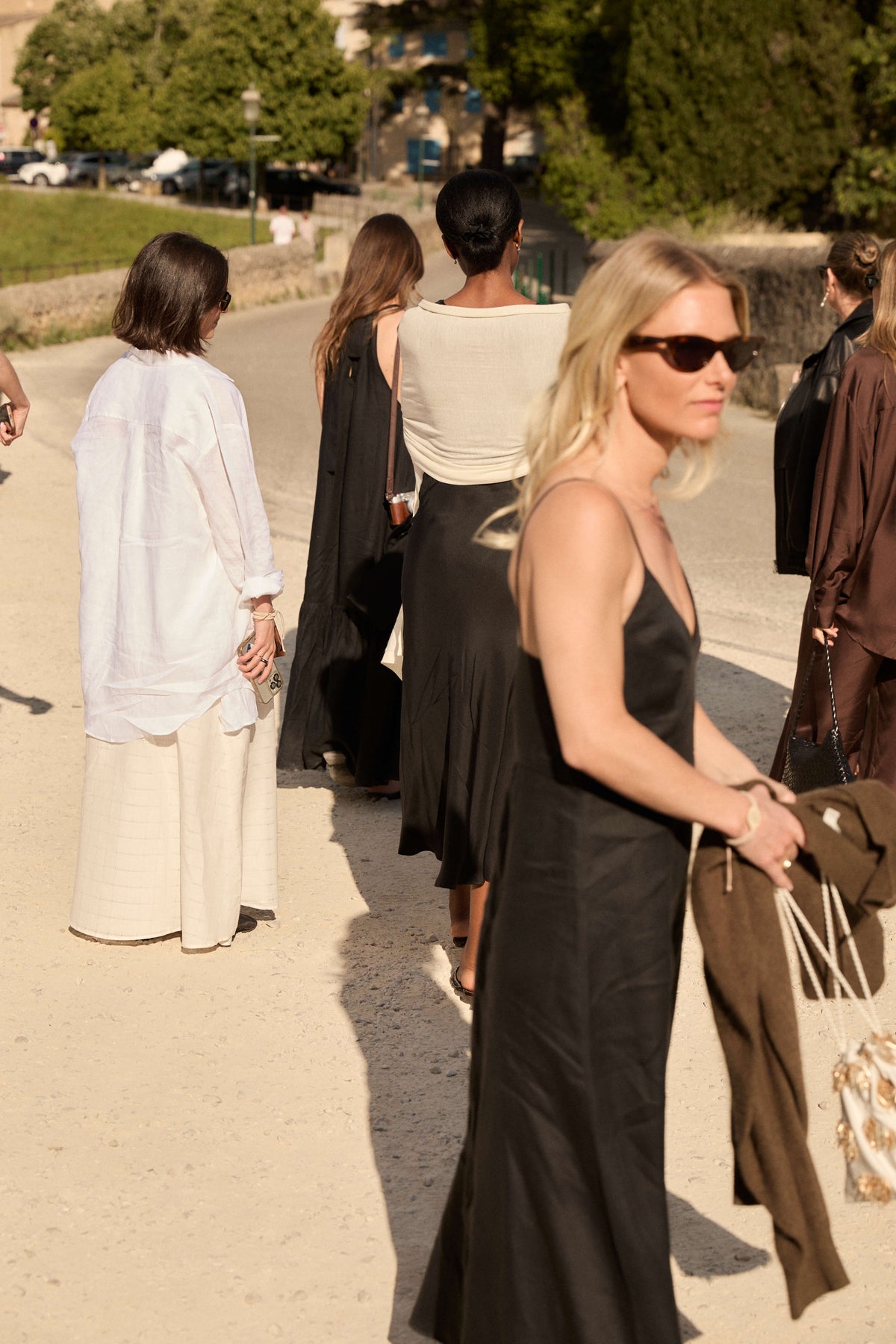
Beyond fibre and weave, choose looser cuts, wider sleeves, side vents, and single-layer garments that allow air to circulate. Avoid unnecessary linings, and favour lighter colours to reflect sunlight and reduce heat gain. Before buying, check fibre percentages to spot high synthetic blends that trap heat. Feel for waxy or stiff finishes that impede moisture wicking, and, if possible, wash a swatch to remove manufacturing sizing. Try a scrunch test: scrunch the fabric in your hand and note how quickly it recovers. Try a damp squeeze to judge drape and drying speed. On holiday, rotate several lightweight natural pieces so each can air between wears, rinse and wring garments to speed drying, and favour fibres such as linen and hemp, which soften and gain character with use, while remembering that natural fibres biodegrade and change performance over time.
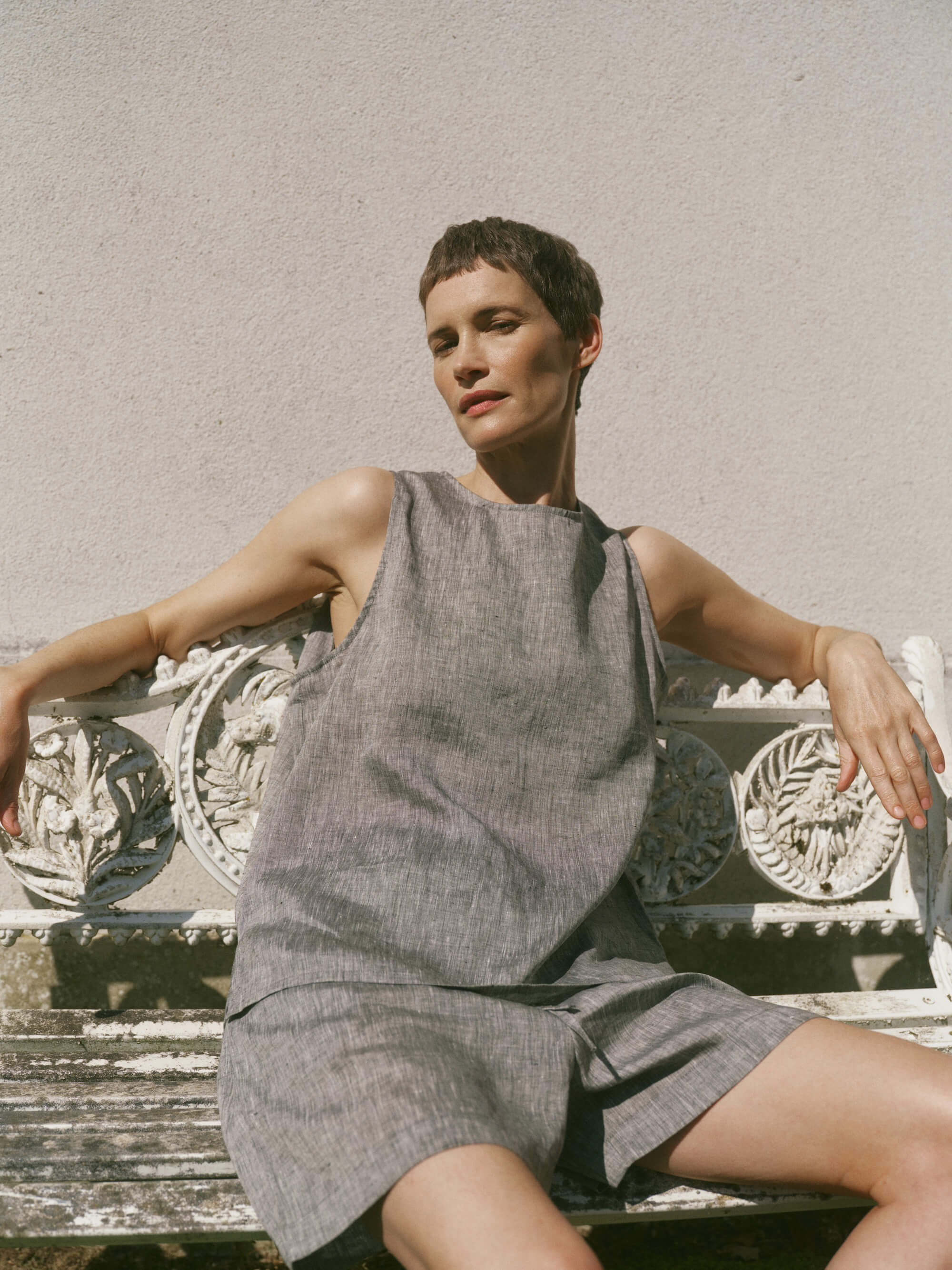
Choose breathable linen trousers for quick-drying comfort.

Choose breathable silhouettes, impeccable fit, and effortless care
When deciding on a silhouette and fit, remember how fibres behave: linen channels moisture to the surface and dries quickly because of its open fibre structure. Cotton soaks up sweat but often retains dampness next to the skin. Hemp breathes well and softens with wear. Lightweight merino wool wicks moisture and resists odour even when damp, while silk feels cool against the skin but can cling and take longer to dry. Match the fibre to the activity and your tolerance for dampness, favouring open weaves and textured finishes, such as gauze, slub linen, seersucker, or lightweight plain weaves, which trap air and improve ventilation. Avoid dense weaves, such as denim or twill, in hot, humid conditions. Visible slubs, natural wrinkling, and a soft, uncoated hand usually indicate minimal finishing and better breathability.
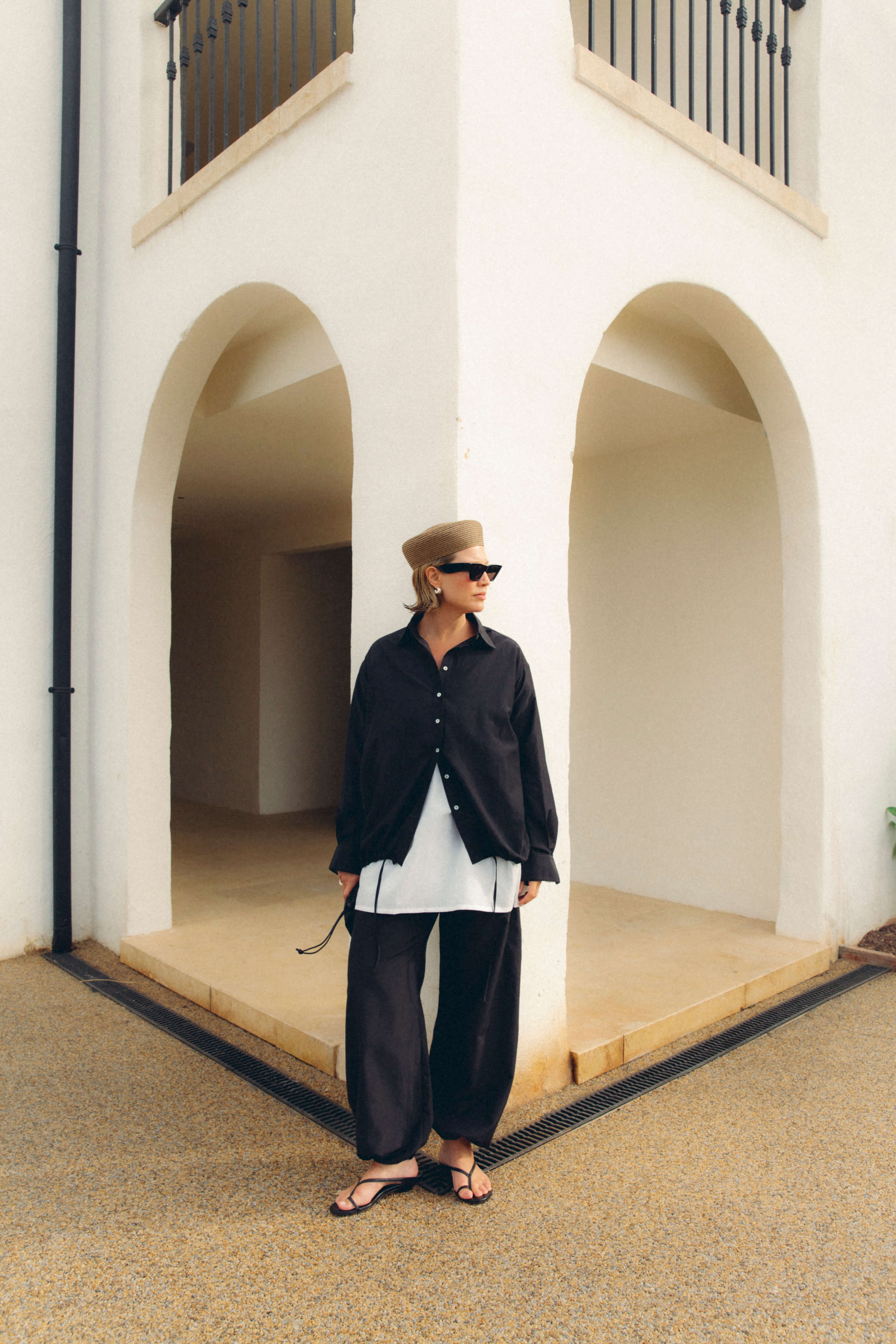
Design and fit shape comfort, matching the effect of fabric. Favour roomy, boxy silhouettes with raglan sleeves, side vents, or back pleats to increase airflow and freedom of movement. Choose unlined garments, button-front shirts, or open collars to regulate ventilation while retaining modesty. Inspect construction for heavy coatings, full linings, or excessive sizing, all of which reduce breathability and slow drying. Select pyjamas and garments that tolerate frequent washing and dry quickly; pre-wash to reduce shrinkage, reshape while damp, and air-dry in the shade. Finish with breathable base layers that wick moisture to minimise cling and odour on holiday.
Lightweight, minimally finished natural fabrics and open constructions keep you cooler in humid conditions by encouraging airflow, speeding evaporation, and reducing cling. When choosing garments, prioritise fibre structure, yarn twist, and weave over surface appearance, and favour looser cuts, single layers, and light colours to maximise comfort.
Use the headings as a checklist. Inspect the fabric against a light source to assess porosity and weave; perform a scrunch test and a gentle, damp squeeze to assess drape and drying; read fibre percentages to identify high synthetic content. Rotate lightweight garments, pre-wash fabric swatches to remove any sizing, and air items between wears so they dry and soften, helping you feel cooler and more comfortable at home and on holiday.

Leave a comment
This site is protected by hCaptcha and the hCaptcha Privacy Policy and Terms of Service apply.