



10 Ways to Wear a Black Linen Dress Throughout the Year
A black linen dress is a summer staple. To carry it through different seasons and occasions, choose the right fabric weight, a considered fit, and a versatile silhouette. Linen’s natural breathability paired with subtle structure lets the same dress work with sandals on warm days or layered with knits and boots as the weather cools.
This post presents ten practical tips for wearing a single dress across daytime, the office, evening, and colder months. It covers choosing underlayers, mastering seasonal layering, selecting outerwear, footwear, and accessories, and caring for the fabric, so you can adapt one dress to multiple occasions and preserve its finish. Below are clear, actionable layering strategies and simple swaps that extend your wardrobe and protect the garment.

1. Select linen weight, fit, and silhouette
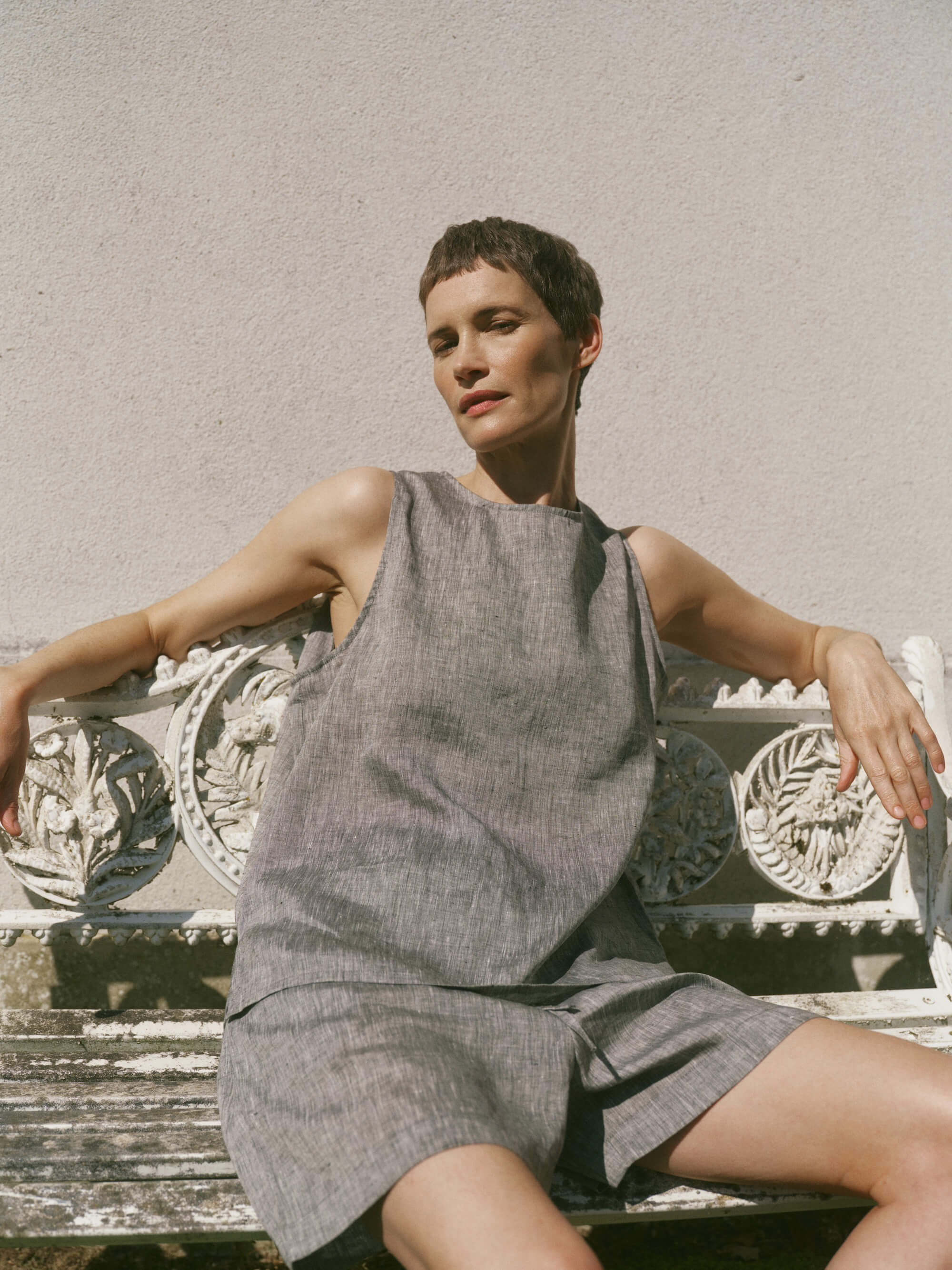
Select a linen weight with purpose. Lightweight linen, around 120 to 150 gsm, offers a cool, fluid drape for warm-weather wear. Midweight linen, 160 to 200 gsm, suits year-round layering, while heavier linen, 220 gsm and above, provides structure and warmth. Choose fit according to your layering plan: opt for a trimmer, true-to-size cut if you expect to wear the dress alone, or allow extra ease through the bust and waist when you intend to add shirts, jumpers, or thermal layers. Favour adaptable silhouettes, such as wrap and shirt dresses that adjust to changing base layers, A-line and midi shapes that slide easily over trousers and boots, or bias and soft-drape cuts for a sleeker, single-layer look.
Hold the fabric up to the light to gauge sheerness, and choose partial or full lining where modesty or extra warmth is needed. Use a tighter weave in areas that will be layered to reduce bulk and improve wind resistance, and select prewashed or kiln-finished linen to minimise shrinkage and shorten break-in time. If stiffness bothers you, look for blends with a small percentage of natural fibres to improve drape. Examine shoulder seams and sleeve openings to ensure there is enough room for outer layers without distorting the silhouette. When trying the dress on, wear the exact layers you plan to pair with it so you can judge fit, movement, and whether the construction will hold up to regular layering.
Layer confidently with a heavier, less-transparent linen option.

2. Choose undergarments to enhance comfort and silhouette
Because linen's open weave can become slightly translucent or cling when damp or under tension, wear a slip or lightweight camisole in cotton, silk, or modal to preserve modesty and the dress's natural drape. Choose slips and camisoles in tones close to the dress so they remain unobtrusive, and favour breathable fibres that mirror linen's texture. For thin straps or low necklines, moulded, strapless, or convertible bras provide tailored support without disrupting the neckline, while seam-free styles minimise visible lines under very lightweight linen.
In cooler weather, fine merino or silk trap small pockets of air and wick moisture from the skin, helping to maintain an even temperature. When it is warmer, choose breathable cotton or moisture-wicking weaves to reduce clamminess. For a streamlined silhouette, select a low-compression camisole or a smoothing bodysuit that evens lines while preserving linen's relaxed texture, and avoid heavy shapewear that restricts movement. Test underlayers with the dress in motion to reveal any bunching or exposed straps, use adjustable, low-profile fastenings, and match the underlayer to the fabric's tone so layers remain discreet.
Choose a sheer silk-cotton layer for discreet coverage.

3. Master seasonal layering to create versatile, timeless looks
Adapt a black linen dress to changing conditions with a simple three-layer approach: a next-to-skin moisture-wicking layer, a mid layer to trap air, and an outer layer to shield from wind and rain. For the base layer, choose silk or fine wool; their smooth fibres sit comfortably against the skin and move moisture away, reducing friction against linen. For a mid layer, a lightweight knit or thin sweater creates insulating air pockets without adding bulk. Finish with a longer coat or a lightweight waterproof shell to block the elements. Linen’s open weave dissipates heat quickly and shows creasing, so pairing it with low-friction base layers both protects the fabric and improves comfort. Introduce loftier fibres, such as wool or a lightly quilted piece, where you need insulation; these trap air for warmth while preserving a streamlined silhouette. To find the best combination for you, try a thin thermal top or camisole under the dress and move through the motions you would normally—walk, sit, lift your arms—and note where the fabric contacts your skin and how readily heat escapes. Use those observations to adjust layers for mobility, ventilation, and ease.
To avoid a boxy silhouette, keep proportions balanced: choose slimmer underlayers, cropped or waist-defining mid layers, or thread a narrow belt through several layers to preserve shape. Simple moves that change the silhouette include half-tucking a fine jumper, swapping a longline coat for a structured blazer, or belting at the waist to restore definition. In warm weather, favour bare legs, sandals, and an open linen or cotton shirt to maximise airflow. In cooler conditions, add opaque tights, ankle or knee boots, a long-sleeved base layer, and opt for a wool coat or padded gilet to increase insulation and block wind. A thin slip or breathable hosiery reduces creasing and clamminess; leave an outer layer unfastened to vent when you are active. Remember that trapped air between layers provides the insulation, so adjusting openings and fabric loft directly changes how warm you feel.
Layer a heavy linen dress for effortless, year-round wear.

4. Layer in transitional coats and versatile outerwear
Rebalance proportions by choosing your coat length: a cropped jacket or waist-length blazer shortens the upper layer and emphasises the legs beneath a midi or maxi, while a mid-length or long coat that falls below the dress hem creates an uninterrupted vertical line for a sleeker silhouette. Opt for structured outerwear to counter linen's natural drape; a tailored trench or wool coat holds shape at the shoulders and waist, keeping the look intentional rather than slouchy as the fabric relaxes with wear and humidity. Layer thin insulating pieces, such as merino wool or a lightweight, quilted gilet, beneath your outerwear rather than over the dress to trap warm air without adding bulk at the waist and to preserve the dress's lines.
For rainy or blustery days, choose a weatherproof shell and pair it with breathable mid-layers to protect linen from water damage without trapping moisture. A lightweight, packable shell can be stowed when warmth returns, preserving the dress's texture. To carry linen into autumn, introduce deeper colour and tactile fabrics: pair black linen with camel, forest green, or navy, or add a bouclé coat or a shearling-collared overcoat for layered warmth. In warmer months, refresh the outfit with lightweight denim or cotton jackets in paler hues to lift the silhouette while keeping air flowing.
Pack a lightweight striped shell for unpredictable weather.

5. Use footwear to balance your silhouette and proportions
Match heel height to hem length. For calf- or midi-length hems, choose a heel or elevated sole to lengthen the lower leg. For mini or above-the-knee styles, favour a flat or low heel so the outfit does not appear top-heavy. Use boot height to refine the silhouette: ankle boots create a purposeful break at the ankle that shortens the leg, while knee-high and over-the-knee boots form a continuous line that streamlines and elongates. Test combinations in front of a mirror to see how the dress sits and decide which effect you prefer.
Pointed toes and shoe colours close to your skin lengthen the leg line, while round toes and contrasting shades shorten it, so choose toe shape and colour to correct or enhance proportions. Ground a full, gathered, or layered black linen dress with chunkier soles or a block heel; keep a slim, fitted dress vertical with slender heels or delicate flats. Treat hosiery and ankle details as active proportion tools: opaque tights create an uninterrupted plane with boots, whereas visible ankle straps or socks register as a break. Adjust sole, heel, hosiery, or boot shaft incrementally until the silhouette reads exactly as you intend.
Add a low block heel to lengthen maxi lines.

6. Dress down daytime outfits with refined casual layers
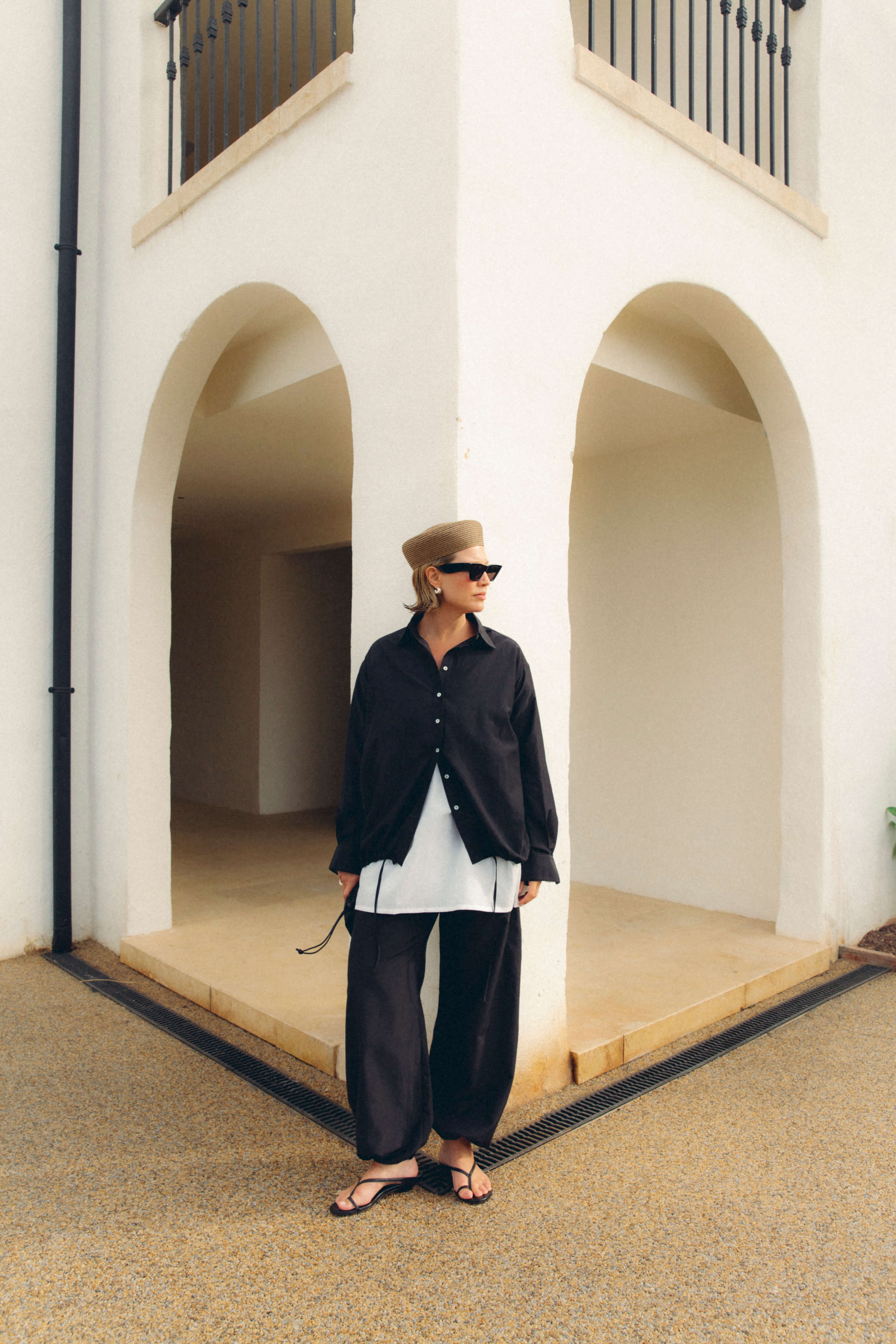
Layer a lightweight cotton or fine-jersey T-shirt beneath a linen dress to minimise transparency and absorb moisture. Choose a fitted tee, tucked or knotted, to preserve the dress's silhouette. Add an overshirt or chambray shirt worn open, buttoned, or tied at the waist to introduce subtle texture and relaxed structure without obscuring the linen's lines, and roll the sleeves to keep the outfit airy and informal. Swap heels for trainers, flat sandals, or low-profile flats, and carry a canvas tote or woven crossbody to keep the look practical for errands and walking while conveying effortless daytime ease.
Choose a cropped or gently oversized cardigan, belted or left open, to balance proportions. A soft knit slips over linen, reducing cling and adding a light layer of warmth on cooler days. Top the dress with a lightweight utility jacket or anorak with pockets; leave it unfastened, cinch the hem, or push the sleeves up to maintain movement and a relaxed, dressed-down silhouette. Mix and match layers according to your activity: tuck a tee and add flats for errands, or knot an overshirt to create more shape. These combinations preserve linen's breathability and fluid drape, making a black linen dress versatile for daytime wear.
Layer a lightweight silk-cotton shirt for breathable, polished coverage.

7. Style the dress for office and smart-casual occasions
Choose a structured blazer or cropped jacket with defined shoulders and a clean lapel so it sits on the natural shoulder and falls to the hip or below. Roll the sleeves once for an intentional, modern finish that reads professional. Layer a crisp collared shirt or a fine-gauge roll-neck beneath the dress to adjust neckline and sleeve coverage and rebalance proportions so the look reads office-appropriate rather than evening. Anchor the outfit with closed-toe leather or leather-effect loafers, low block heels, or neat ankle boots, and add sheer or opaque tights when needed to tidy the transition from hem to shoe.
Define the silhouette with a slim belt worn at the natural waist or slightly higher to lengthen the leg line and refine proportions. Choose a structured bag with clean lines to create a composed, intentional silhouette. Keep metal jewellery minimal, for example, a single pair of studs or a delicate chain, so accessories support a professional tone without competing for attention. If the dress is very short, layer a longer outer piece or have the hem adjusted to knee- or mid-calf length to increase practicality and presence. For boxy silhouettes, add a slip or light lining, or take in the side seams so the drape reads sleeker and the dress sits comfortably when seated. Small decisions such as belt placement, bag shape, and neat footwear communicate smart-casual intent while preserving the dress's simplicity.
Add a cropped linen jacket for polished tailoring

8. Elevate a dress for evenings and special events
Add a tailored layer, such as a fitted waistcoat or a short tailored coat, to sharpen the silhouette. The defined shoulder and firmer fabric contrast with linen's natural drape, creating a more formal outline. Swap daytime flats for heels or pointed-toe shoes to lengthen the leg line, and finish with hosiery in a fine or denser knit for polish and warmth in cooler conditions. Layer a silk camisole, lace slip, or fitted long-sleeved top beneath the dress to introduce lustre and provide subtle coverage at the neckline or hem without obscuring its shape. These adjustments preserve the dress's clean lines while introducing richer textures that read as dressier in evening light.
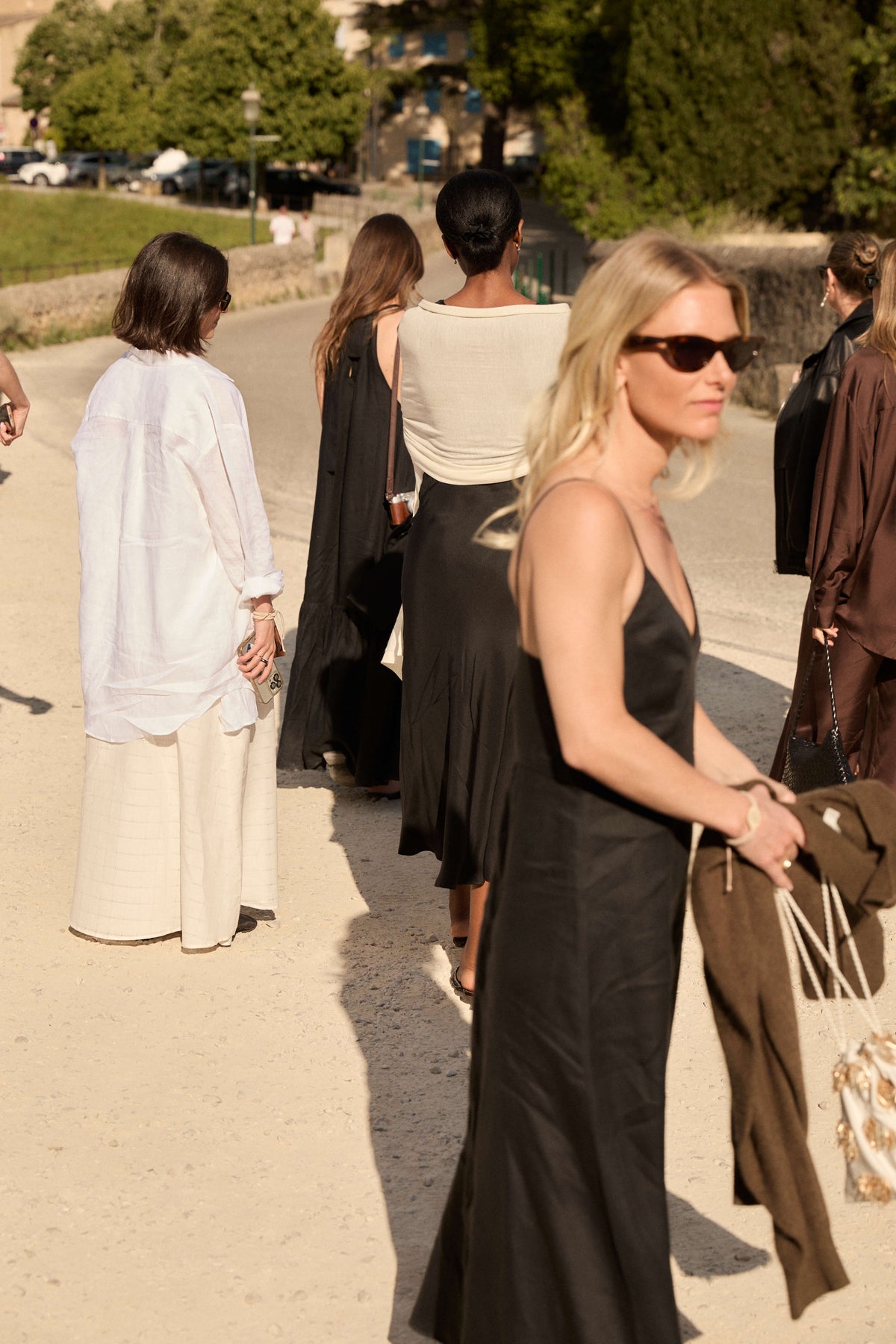
Cinch the waist with a narrow belt to create an evening-ready hourglass silhouette. Opt for metal or gemstone jewellery with reflective surfaces to catch the light against matte linen. Carry a compact clutch or a structured bag, and drape a lightweight silk wrap or a tailored coat for added warmth and polish. Finish with polished hair and restrained, elevated makeup that signals occasion dressing while allowing the dress to remain the focal point.
Make linen evening-ready with tailored layers and metallic jewellery

9. Introduce colour and texture through considered, sustainable accessories
Introduce a single pop of colour close to the face, such as a silk scarf, statement earrings, or a patterned headband. It brightens the complexion and draws the eye upward. Repeat that hue in a smaller accessory, like a bag strap or belt, to create visual cohesion without overwhelming the outfit. Contrast the matte surface of black linen with glossy silk, soft cashmere, or napped suede to add depth and prevent the ensemble from appearing flat. Try specific pairings: a silk neckerchief with a linen dress, a chunky knit shawl draped over the shoulders, or suede ankle boots with a woven bag.
Choose one dominant metal for your jewellery and introduce a second metal only as an accent. Vary scale by pairing a larger, statement piece with a fine, delicate one. Mix polished and hammered finishes to add texture while keeping the overall look uncluttered. Use functional accessories to shape the silhouette: a wide woven or leather belt defines the natural waist, a structured crossbody introduces contrast and purpose, and a decorative brooch can secure a scarf at the shoulder or lapel while creating a focal point. Sit the belt at your natural waist and adjust scarf knots so the linen drapes flatteringly. Keep colour placement simple. Work in monochrome neutrals with a single jewel-toned accent, pair tonal greys with camel for warmth, or choose two contrasting accents, placing one near the face, and one at the waist or feet. Limit accents to two or three pieces to maintain balance.
Add a rust silk piece to brighten the face.

10. Pack and care for your dress to extend its lifespan
Before wearing, turn the dress inside out and pre-wash with like colours on a gentle cycle, or hand-wash in cool water until the rinse runs clear. This removes excess dye and helps prevent premature fading from friction during laundering. To minimise creases and strain when travelling, roll the dress with tissue paper and lay it flat inside a breathable garment bag. Stuff the bodice with soft items to preserve its shape, and fasten any zips or buttons so they cannot abrade the fabric in transit. Treat stains promptly. Blot fresh marks rather than rubbing, then test a mild detergent solution on an inconspicuous seam. Work from the outside of the stain inwards, and avoid bleach or harsh solvents, which can strip colour and weaken fibres.
Air-dry the dress out of direct sunlight, reshaping it while still damp to preserve the silhouette. Remove creases with a steamer or a warm iron over a pressing cloth to avoid shine on black linen. Alternate the dress with other garments to distribute wear, and repair small snags or loose seams promptly with matching thread to prevent larger mending. Store the dress in a cool, breathable place away from plastic; roll it for short-term storage or hang it on a padded hanger so pressure points do not distort the shape. Linen softens and develops a lived-in character with gentle, repeated washing; this is the fabric settling, not a flaw.
A single black linen dress becomes a year-round wardrobe anchor when you balance its weight and silhouette with purposeful underlayers, structured outerwear, and considered footwear that preserve proportion and breathability. These ten practical tips illustrate how choices such as choosing midweight linen with streamlined base layers, pairing cropped blazers or long coats to redefine the silhouette, and selecting thoughtful accessories and care routines can extend its wearability from daytime and the office to evenings and colder months.
Treat the headings as a simple checklist: fit, underlayers, seasonal layering, coats, shoes, casual and formal finishes, accessories, and care. Use them to build and test combinations tailored to your activities. Make one small change at a time, such as adding a merino base layer, choosing a cropped jacket, or cinching with a narrow belt. These subtle adjustments preserve the fabric's character, broaden a dress's versatility, and reduce wear, helping garments endure.

Leave a comment
This site is protected by hCaptcha and the hCaptcha Privacy Policy and Terms of Service apply.