
How to Style White Linen Trousers for Beach Days, the Office, and Evenings
White linen trousers offer an effortlessly elegant summer silhouette, yet fit issues, creasing and slight transparency can make them feel high-maintenance. How can you keep them beach-ready, office-appropriate, and evening-ready without overhauling your wardrobe?
This post guides readers through choosing breathable fabrics and flattering silhouettes, pairing trousers with beach-ready layers and considered accessories, and tailoring and editing outfits for a smart office polish. It also shows how to elevate linen for evening, create seamless day-to-night looks, and care for and mend garments so they last.

Select breathable fabrics and tailored silhouettes for effortless comfort
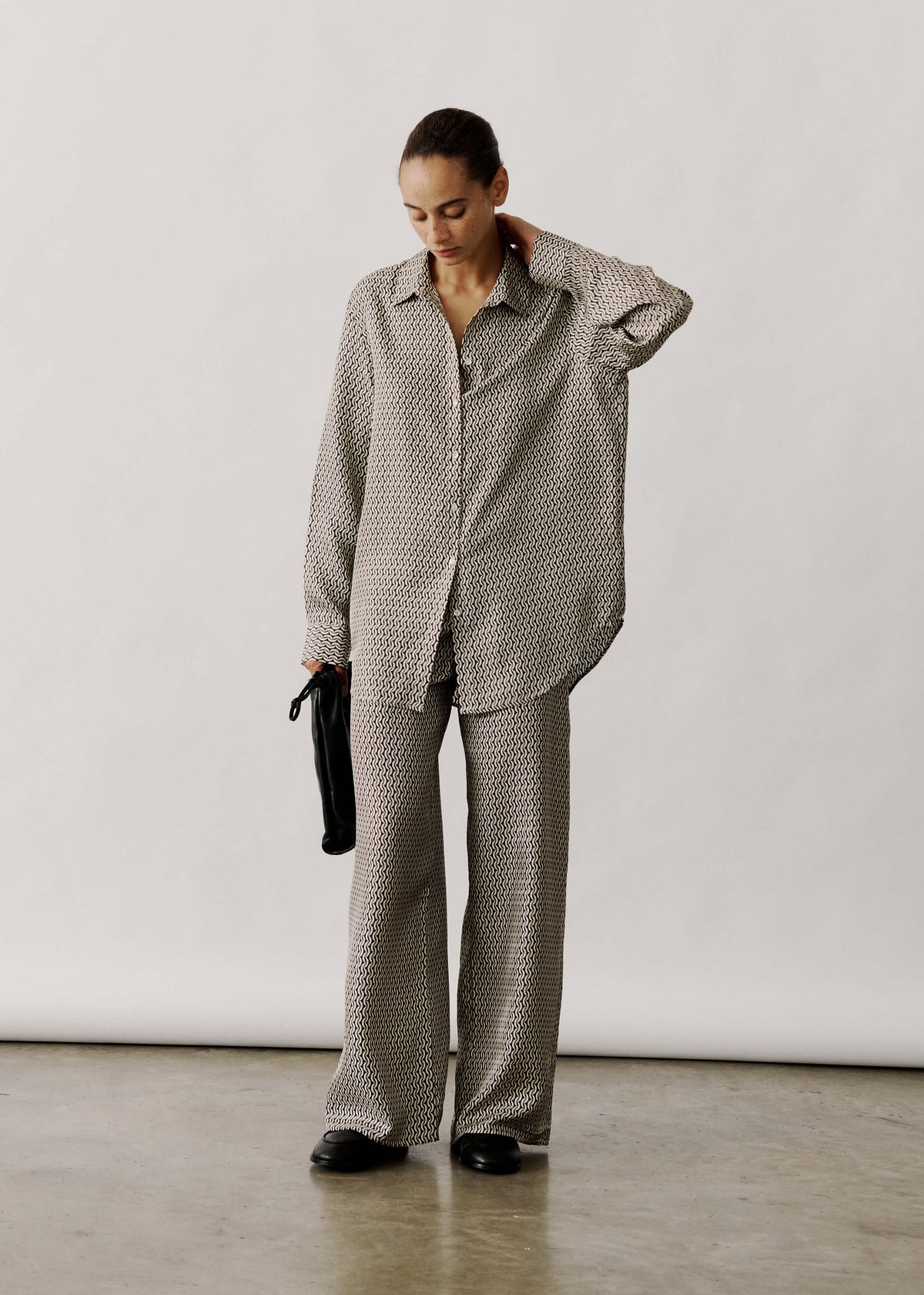
Compare pure linen and cotton-linen blends by both fibre and weave. Linen fibres wick moisture and an open weave increases airflow, which keeps you cool but can make the fabric more transparent and prone to creasing. A medium-weight weave, or the addition of cotton, reduces transparency and softens the drape, while heavier weaves or linings provide greater structure. Match fabric choice to use: unlined, open-weave linen suits relaxed beach outfits; lined or heavier-weave trousers work better for office and evening wear because they preserve opacity and shape. Select silhouettes with occasion and proportions in mind: wide-leg or palazzo shapes breathe and skim the body for seaside looks, straight-leg or tapered trousers with a defined waist read as more professional, and a high-rise, slightly tapered cut lengthens the leg for evening. Try different rises, crotch depths, and leg widths to make sure the cut flatters your hips and waist, and note how the fabric drapes when you sit and move.
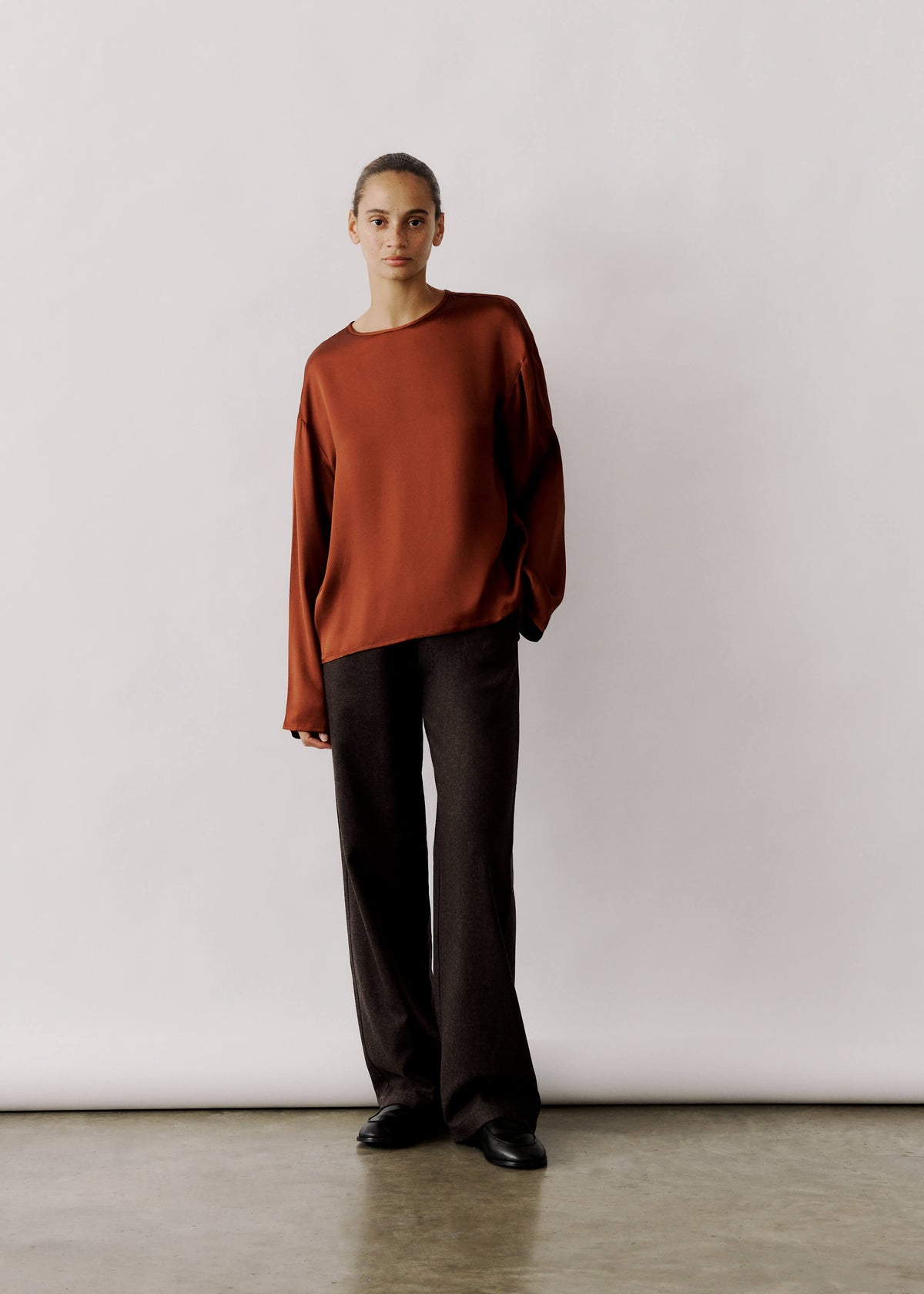
Use fabric drape and subtle tailoring to alter a garment's formality. A softly woven, loosely spun linen will sit casually, while a denser weave, a pressed crease, or a neatly shaped waistband produces a sharper, more structured line. Coordinate colour, texture, and proportion to change the mood. Pair white linen trousers with lightweight linens or cottons in muted neutrals or soft pastels for a relaxed, seaside feel. Introduce structured pieces, such as a blazer or a crisp cotton shirt, for the office. To take the same trousers into evening, choose silk or satin tops and polished accessories to lift the look. Attend to fit and finish, which affect both appearance and comfort. Check sheerness against the light and add a breathable lining where necessary. Ensure hems clear the shoe without dragging. Select flat-fronts or gentle pleats to complement your waist and overall silhouette. Maintain shape with careful steaming rather than heavy pressing to preserve linen's natural slub and breathability.
Choose lightweight linen for breathable summer tailoring.

Elevate linen trousers with beach-ready layers and refined accessories
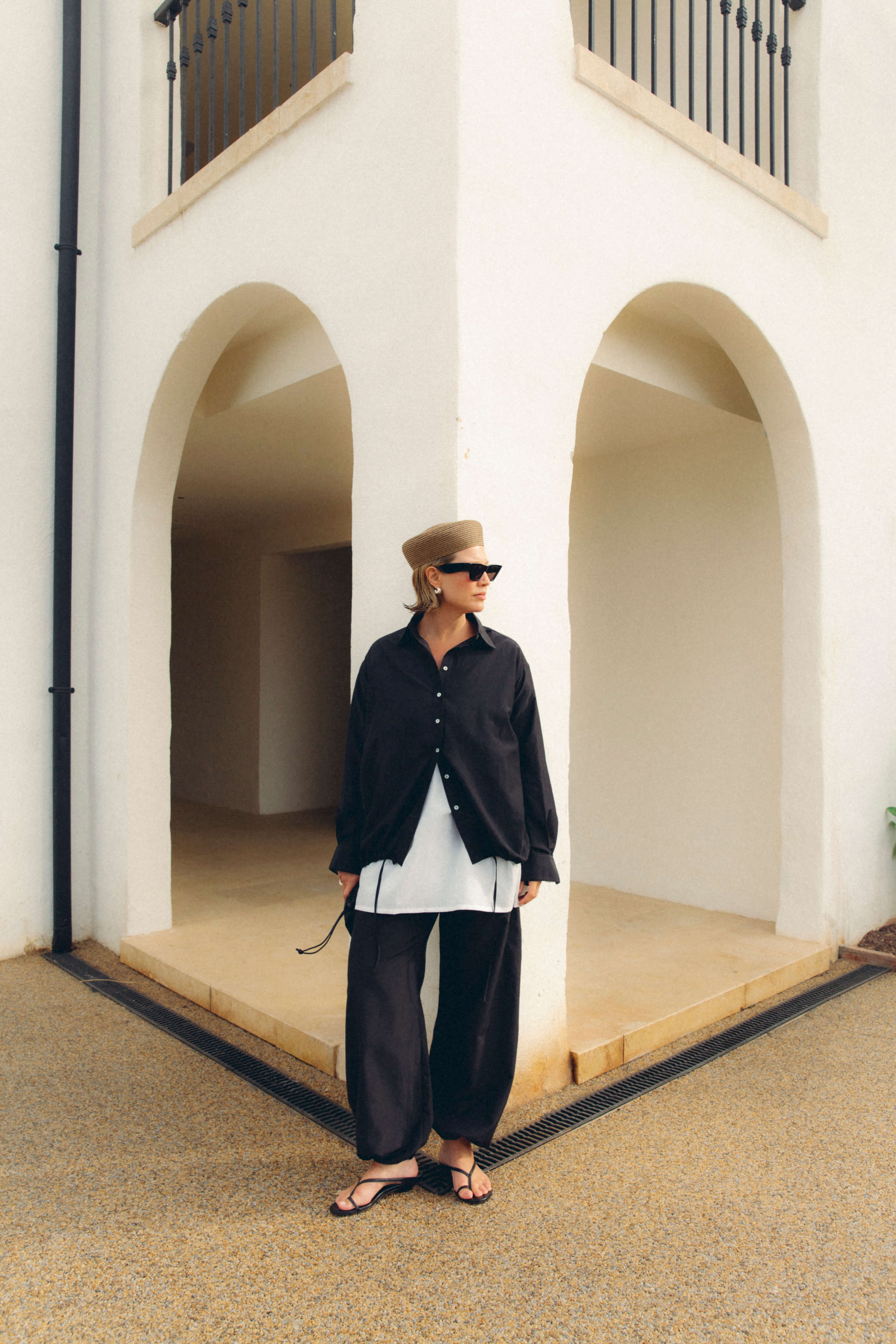
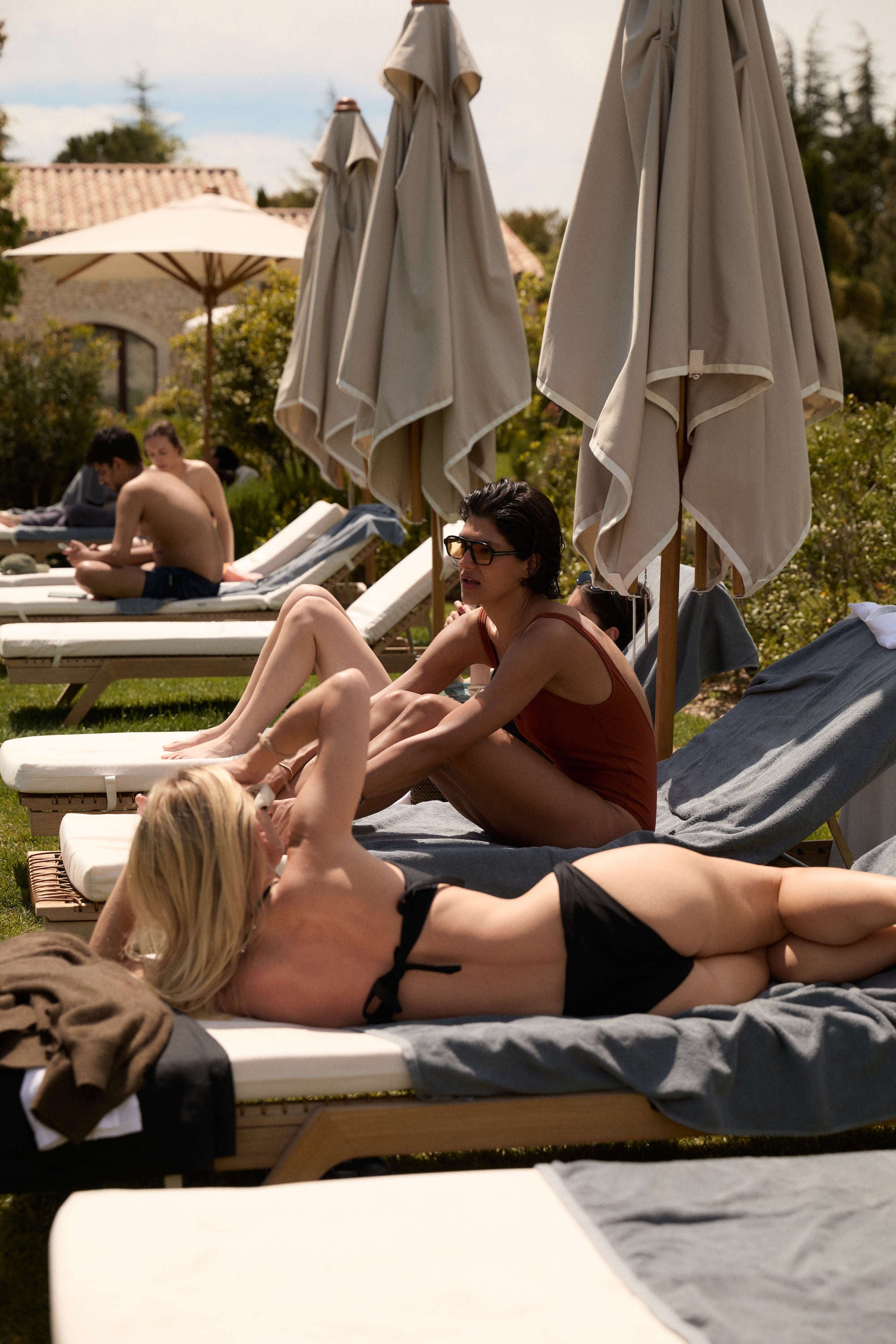
On the beach, favour three dependable top combinations. A lightweight cotton T-shirt, half-tucked to define the waist; an open linen or gauze overshirt layered over swimwear for sun protection and a seamless transition from sand to café; or a cropped, fitted cami top to balance wide or straight-legged bottoms. Linen's natural breathability minimises cling, so opt for a slightly shaped top, a slim belt, a drawstring, or a half-tuck to anchor the silhouette against sea breezes. Pack considered accessories, such as a wide-brim woven hat with an internal band to keep it secure, polarised sunglasses to cut glare, and a mesh or woven tote that sheds sand and allows wet swimwear to air out quickly.
Pair trousers with slip-on espadrilles, secure-strap sandals, or textured, water-friendly sliders. Roll or pin hems to a cropped length so they avoid sand and dry more quickly. Choose corrosion-resistant metals, resin, or textile jewellery that withstands salt and sweat to reduce tarnish and snagging. After a day at the shore, rinse away traces of salt and sunscreen, brush sand from seams, then reshape garments and air dry them inside out to preserve fibres. Finish with a gentle steam or a warm iron on a low setting to restore crispness without stretching the fabric.
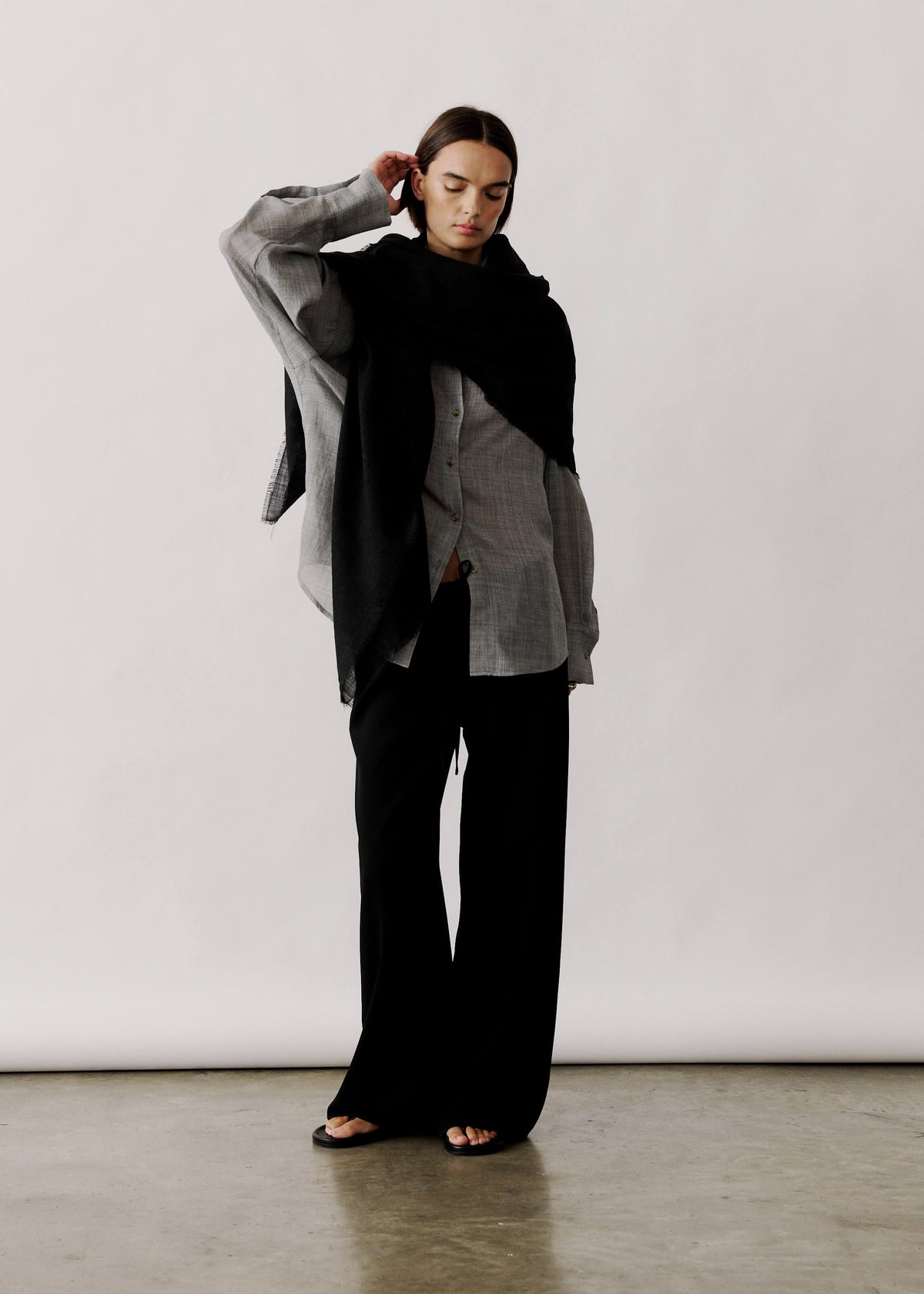
Layer on a breathable wrap for sun-ready coverage.

Tailor linen trousers for a polished, office-ready look
Measure and pin the hem while wearing the shoes you plan to pair with the trousers. Aim for a cropped ankle length with loafers or heels, and a slight break with brogues or oxfords; hem height and leg width directly affect how polished linen appears in an office setting. Reinforce a soft waistband with interfacing, an internal stay, or a structured facing to keep shirts neatly tucked, prevent slouching, and preserve the intended silhouette under jackets and blazers. Add a lightweight lining or cotton voile underlay to the front panels to reduce transparency and improve drape, as breathable underlinings retain airflow while preventing show-through so linen reads crisp and substantial rather than flimsy.
Press a crisp centre crease and, when needed, secure it with hand-basting or a tailor's stitch. A defined crease lifts the line of the trousers and, when temporarily stitched, endures routine wear. Flatten or reshape side pockets, convert patch pockets into discreet slits, and choose minimal belt loops to remove bulk and preserve clean outer lines. Minimising visible details prevents distracting lumps beneath tailored outerwear and helps linen sit smoothly at the hip and thigh. Together, these alterations refine linen's natural texture into a smart, office-appropriate silhouette while retaining breathability.
Refinements to make linen trousers office-ready
- Hems and finished lengths: measure and pin while wearing the shoes you intend to pair with the trousers, aiming for a cropped ankle 2–3 cm above the ankle bone for loafers and heels, a grazing ankle length for a sleeker look, or a slight break of about 1–2 cm for brogues and oxfords; finish hems narrow for tapered legs, allow a wider hem for straight cuts, and leave 4–6 cm of seam allowance to permit future adjustments.
- Waistband structure and shirt-tuck control: reinforce the soft linen waistband with a soft fusible interfacing for light structure or a lightweight canvas or coutil for stronger hold, add an internal stay (buttoned tape or stitched ribbon) to prevent slippage, and choose a faced or partially structured waistband rather than a floppy band to keep shirts tucked and preserve silhouette under jackets and blazers.
- Pocket simplification and external lines: flatten side pockets with stay-stitching or convert bulky patch pockets to bound or welt slits, add a concealed coin pocket if needed, and reduce belt-loop bulk by using narrow loops positioned at the centre back and principal sides, or replace loops with side adjusters to maintain a smooth hip and thigh line under tailored outerwear.
- Lining, crease technique, and upkeep: apply a lightweight lining such as cotton voile or batiste to the front panels, or opt for a half-lining to reduce transparency while keeping breathability; press a sharp centre crease and secure it temporarily with hand-basting or a tailor’s stitch to hold through routine wear, press with steam using a cloth to protect the weave, and launder or dry-clean gently, reshaping while damp and hanging to dry to preserve drape and crease.

Styling linen trousers for evening and effortless day-to-night looks
Swap trainers or flat sandals for heeled sandals, block heels, or pointed pumps, and replace a cotton tee with a silk blouse or satin camisole. The added height and sheen alter proportions and catch the light, so the same trousers appear more formal without losing their relaxed silhouette. Introduce tailored layering such as a fitted blazer, cropped jacket, or structured waistcoat to create clean lines against linen, and roll the sleeves or add a belt to maintain ease while defining the waist. Choose one strong accessory, such as a statement necklace, bold earrings, or a structured clutch, and keep other pieces minimal so metallic tones catch low light and the focus feels deliberate.
Refine the silhouette by adjusting tucks and hems. A full tuck defines the waist; a half-tuck preserves movement; a soft blouson introduces gentle volume. Cuff trousers for a more casual, cropped look, or let them graze the shoe to elongate the leg and lift formality. Choose linen blends with a touch of silk or viscose to improve drape and reduce creasing. Give garments a quick steam before leaving to revive the fibres, and press a sharp centre crease when you want a smarter line. For evening, favour deeper or monochrome colours over bright pastels, as muted hues read more cohesive in low light. Small changes in finish and proportion will carry an outfit from beach to office to evening without needing to change the trousers.
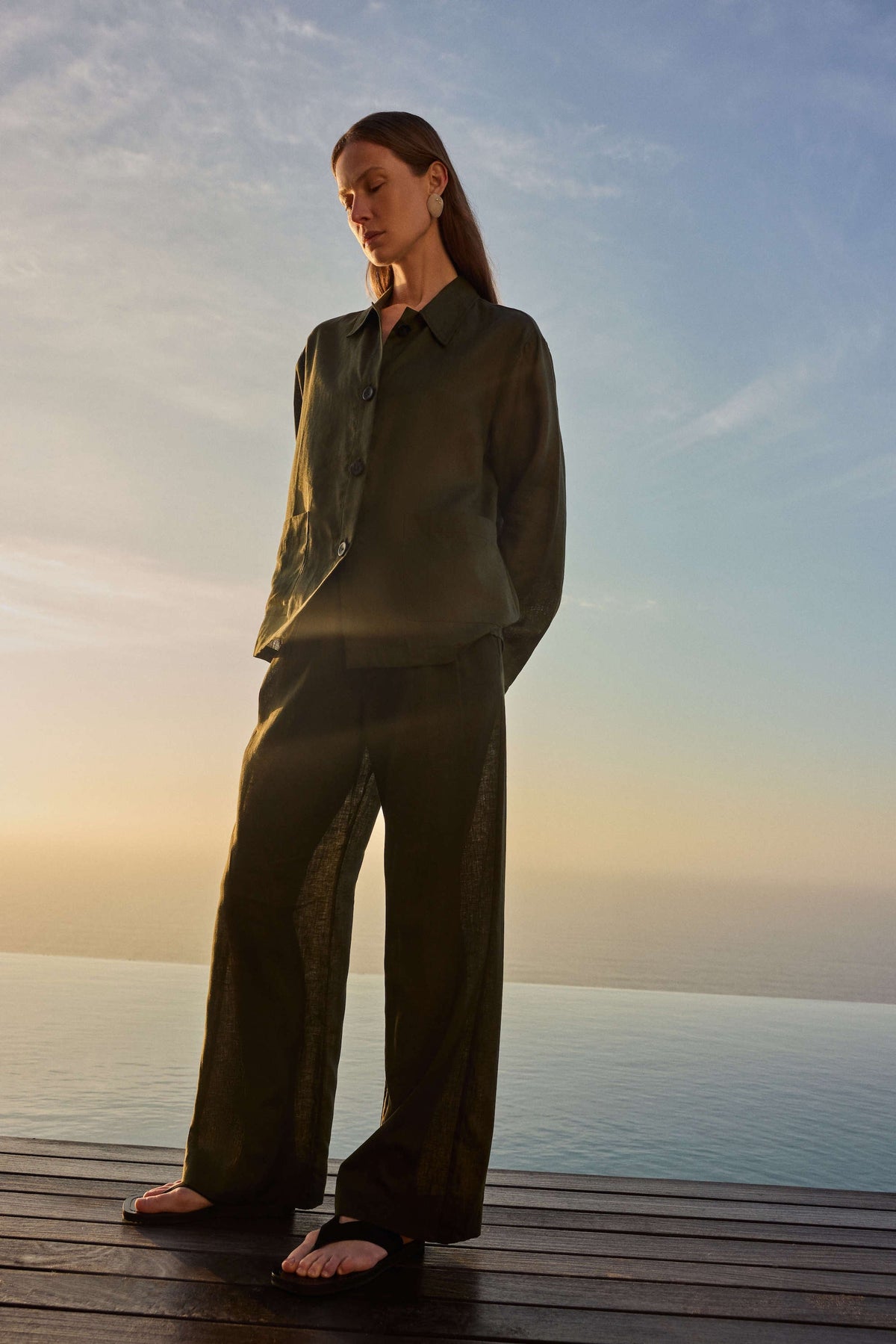
Opt for silk-blend trousers to elevate relaxed tailoring.

How to care for linen, mend mindfully, and build a sustainable rotation
Turn linen trousers inside out and launder with a gentle detergent on a low spin, or hand-wash in cool to lukewarm water. Do not use bleach or fabric softener, as these can damage the fibres. Reshape garments while still damp and hang them to dry in the shade, since heat can shrink and weaken linen and damp reshaping reduces permanent creasing. For light soiling, blot oils and sunscreen with an absorbent cloth, pre-treat stains with a mild surfactant or enzyme cleaner, then rinse from the reverse to lift residue without aggressive agitation. To refresh between washes, steam or air garments to remove odour and relax the fibres, which reduces wear from unnecessary laundering.
Mend small seam splits promptly with a short backstitch or fine darning. Apply inside patches and reinforce pocket corners and hems to prevent minor damage becoming a structural fault. Rotate linen garments with other trousers to reduce repetitive stress and lessen washing frequency. After each wear, inspect seams, the waistband, and pocket linings, and set pieces aside for repair rather than replacement at the first sign of wear. Store items fully dry, folded in cotton or kept in breathable bags, away from direct sunlight. Use natural repellents such as cedar or lavender to slow fibre degradation and keep linen ready to wear.
White linen trousers, woven from natural, breathable fibres, offer summer versatility from the shore to the office. Choose a denser weave or a slim lining to reduce sheerness and improve drape, refine the hem and waist to create a cleaner silhouette, and press a crisp centre crease to sharpen the shape. Together, these details allow the same pair to serve as relaxed beachwear, polished office trousers, or an elevated evening look.
For days by the sea, pair lightweight tops with sun-safe accessories and breathable sandals; for smarter occasions, choose discreet tailoring with breathable linings. After dark, introduce a silk layer or a pair of heels to lift the outfit. Follow straightforward care and repair steps, rotate trousers with other wardrobe pieces, and they will remain wearable for longer. These small adjustments preserve linen's texture and help you maintain a reliable, multi-occasion wardrobe.
FAQ
What fabric and silhouette should I choose for white linen trousers depending on the occasion?
Pick a medium-weight or cotton-linen blend, or a lined trouser, for office and evening use to reduce transparency and creasing, and choose unlined, open-weave linen for relaxed beach looks. Select wide-leg or palazzo shapes for seaside ease, straight or tapered trousers with a defined waist for the office, and a high-rise slightly tapered cut to lengthen the leg for evening.
How can I style white linen trousers for a trip to the beach?
Tuck a lightweight cotton T-shirt to define the waist, or wear an open gauze overshirt over swimwear, or a cropped fitted tank for balance; add a slim belt or half-tuck to anchor the silhouette. Pack a wide-brim woven hat with an internal band, polarised sunglasses, a mesh tote, and wear espadrilles or secure sandals, rolling the hem to avoid sand and speed drying.
How do I make white linen trousers look smart enough for the office?
Have hems measured while wearing the shoes you will pair with the trousers, reinforce the waistband with interfacing or an internal stay, and add a lightweight lining to the front panels to reduce sheerness and improve drape. Press a sharp centre crease, flatten or convert bulky pockets to discreet slits, and minimise belt-loop bulk so the fabric sits smoothly under jackets.
What small changes elevate linen trousers for evening or help create a day-to-night outfit?
Swap flats for heeled sandals or pointed pumps and replace a cotton tee with a silk blouse or satin cami to add sheen and height, then layer with a fitted blazer or cropped jacket to sharpen lines. Use a single strong accessory, adjust tucks or hems to refine proportion, and consider a linen blend with silk or viscose for improved drape.
How should I care for and mend white linen trousers to keep them wearable longer?
Wash gently in cool to lukewarm water or use a low-spin cycle with a mild detergent, avoid bleach and fabric softener, reshape while damp, and hang to dry in the shade, using steam between washes to refresh fibres. Repair small seam splits promptly with a short backstitch or fine darning, reinforce pocket corners and hems, and rotate linen with other trousers to reduce wear.


Leave a comment
This site is protected by hCaptcha and the hCaptcha Privacy Policy and Terms of Service apply.