



Build a Versatile Wardrobe: Silk Trousers from Office to Holiday
Silk trousers lend an immediate sense of refinement to an outfit; yet they often sit unused, feeling too formal for weekend wear and too relaxed for the office. That mismatch results in fewer wears and unnecessary wardrobe clutter.
This guide explains how to choose sustainable silk essentials, refine fit and silhouette, and select colours, patterns, and fabrics that translate across everyday, work, and holiday wardrobes. It also offers practical styling suggestions and straightforward care and packing strategies to prolong wear, making silk trousers a dependable wardrobe staple.

How to choose sustainable silk essentials: fabrics, care, and sourcing
Choose a mid to higher momme count and a twill or crepe weave. Higher momme increases opacity and durability, while twill and crepe reduce sheen and resist creasing, allowing a single pair to appear polished at work and relaxed on holiday. Ask suppliers for fibre-origin details and third-party verification, such as test numbers or recognised certifications, so you can compare chemical safety and social impacts rather than rely on marketing claims. Explore lower-impact inputs, such as recycled silk, deadstock, and peace silk, or blends with sustainably produced cellulosic fibres to add strength and minimise creasing. Consider pre-loved trousers or local tailoring to lengthen a garment’s life. Prioritise simple maintenance and mending skills; routine repairs and careful care extend wearability and reduce overall resource use.
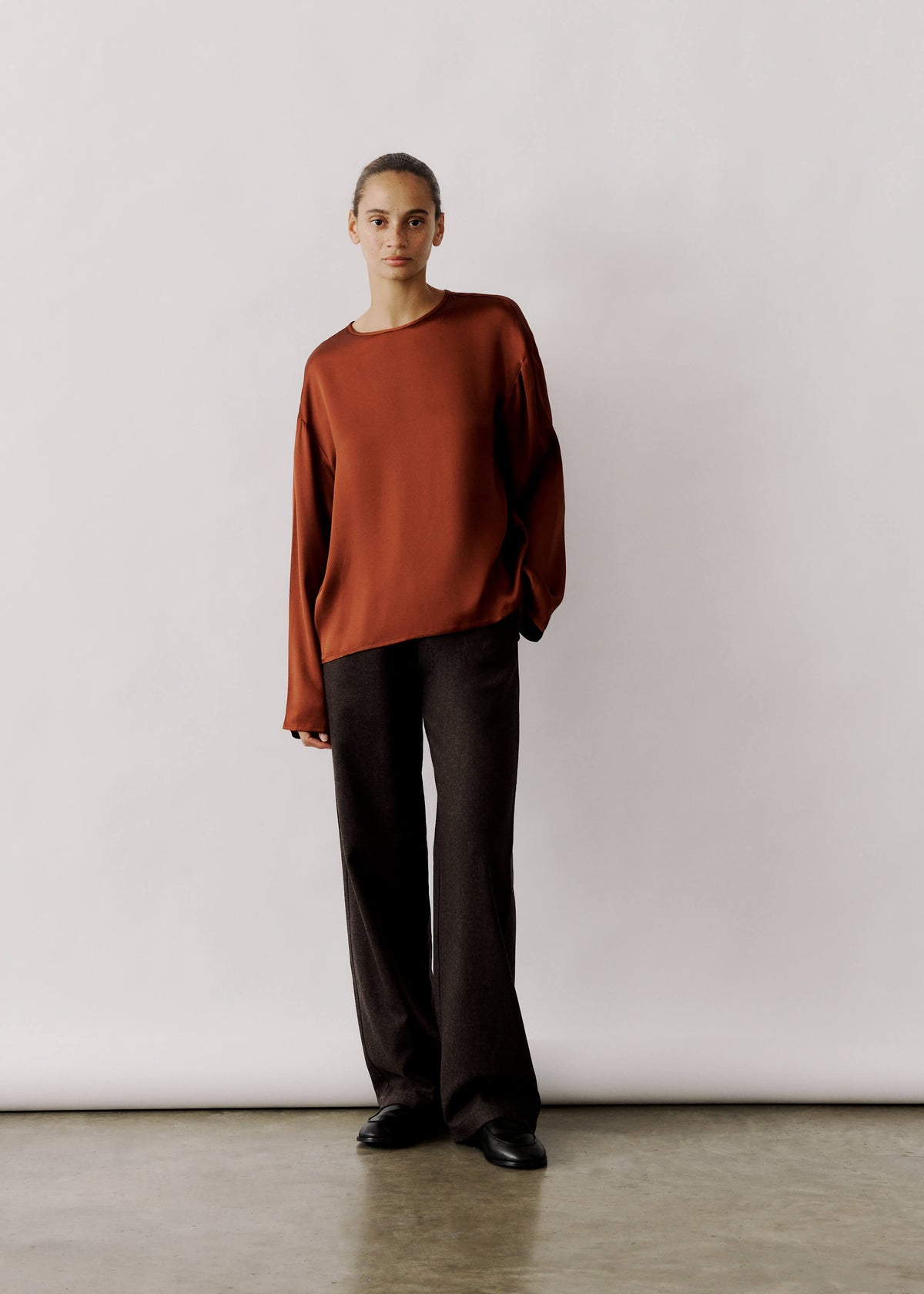
Wash gently in cool water on a delicate or hand-wash cycle, using a pH-neutral detergent. Dry flat or on a padded hanger out of direct sunlight, and steam to refresh between washes. Learn simple repairs, such as re-stitching seams and darning snags, to keep trousers serviceable and reduce the need to replace them. Choose mid-rise, tapered, or wide-leg silhouettes in neutral shades, muted prints, or matte finishes; they layer effortlessly with blazers and knitwear for the office, and pair easily with linen tops and sandals for holiday.

Find Your Ideal Fit and Flattering Silhouette
Decide where you want the waistband to sit, fasten the trousers, then check for gaping and pulling. Diagonal lines running from the fly to the hip indicate the rise is too small, while excess horizontal fabric across the seat shows there is too much room. Stand in front of a mirror wearing the shoes you plan to pair with the trousers to compare tapered, straight, cropped, and wide legs, and note where the hem meets the shoe or the ankle. A tapered or straight leg lengthens the silhouette with loafers or heels, whereas a wide or cropped leg reads more casual with sandals or trainers. If the trousers do not sit correctly, choose a different rise or cut rather than relying on a belt or elastic insert to force the intended shape.
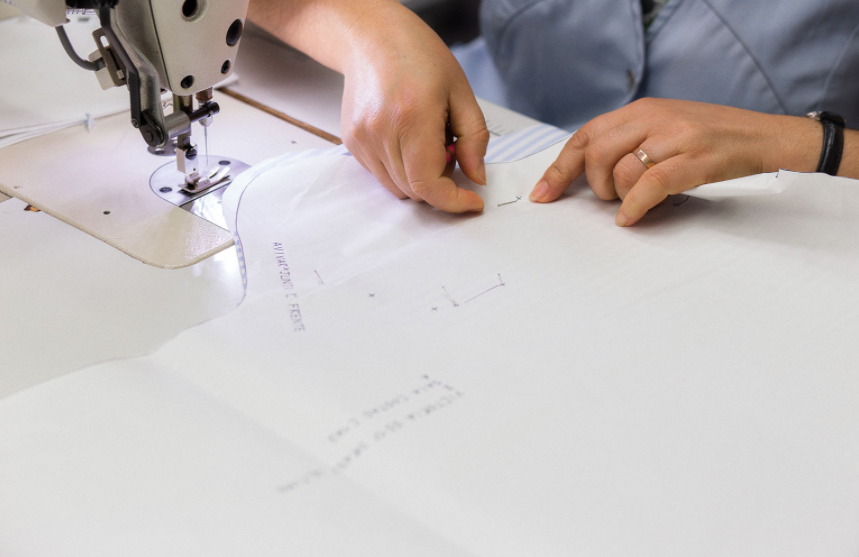
Assess ease and drape by walking, sitting, and crossing your legs. The silk should skim the body without clinging or billowing. Excessive creasing across the thighs or behind the knees indicates tightness, while billowing at the seat shows there is too much ease. Inspect front details such as pleats, darts, and pocket placement. Pleats add room and soften a tucked-in front, whereas flat-front trousers create a cleaner line. If pocket bags bulge, the pockets are altering the silhouette. Plan minimal tailoring to refine proportion while preserving the fabric’s natural drape: shortening the hems, taking in the waist, or slightly tapering a leg. After any alterations, repeat the movement tests to ensure seams lie smoothly and the trousers transition from work to holiday without losing their shape.

Select versatile colours, patterns, and fabrics for a refined, adaptable wardrobe
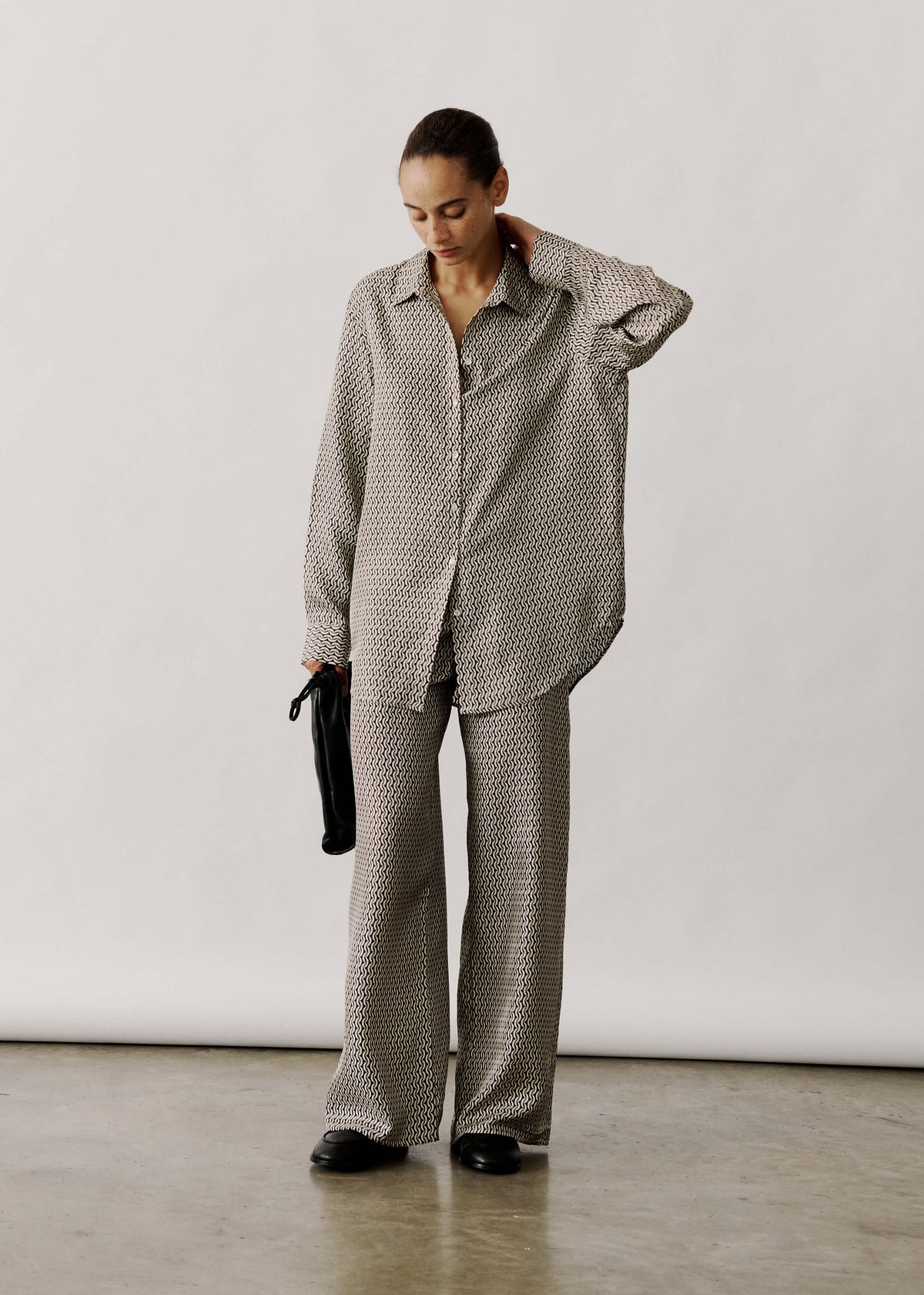
Prioritise a palette of base neutrals, versatile mid-tones, and one or two accent colours. Neutrals such as black, navy, stone, and camel ground outfits and conceal travel creases. Match pattern scale to the setting: small, dense prints read as texture from a distance and suit formal environments, while larger, bolder motifs feel more casual and holiday ready. Test fabric drape and surface before committing; soft, subtly lustrous silk flatters tailoring, whereas matte silk blends or crepe lend the opacity and structure better suited to workwear.
Consider fibre content for both climate and care. Natural fibres such as silk and linen breathe and feel cooler, while blends containing viscose or polyester offer improved crease resistance, recovery, and washability. Choose fabrics that keep their shape when folded to make packing stress-free, and test movement so trousers retain a neat silhouette on arrival. Use contrasts of texture and sheen to extend wearability: tone down glossy silk trousers with a matte knit or structured jacket for daytime, and elevate a neutral base with satin or embroidered accessories for evening. By swapping tops and accessories you can change perceived formality without adding extra bottoms, allowing a single, well-chosen silk pair to move from office to holiday.
Practical palettes, pattern rules and fabric checks for travel and work
- Build compact palettes from base neutrals, versatile mid‑tones, and one or two accents: for example navy + camel + rust, charcoal + olive + mustard, or black + stone + teal. Use a 60/30/10 proportion—base, mid, accent—to guide packing, and coordinate shoes and outerwear to the dominant neutral (warm neutrals with tan shoes, cool neutrals with black or navy).
- Choose pattern scale for setting and visibility: small, dense prints read as texture and suit formal or workplace environments, while larger motifs feel casual and holiday-ready. When mixing prints, pair different scales, keep one shared colour to link pieces, and limit bold patterns to a single statement item for smarter looks.
- Check fibre content and handle fabrics before you buy: pick breathable linens or silk for hot climates, and blends with viscose or polyester when crease resistance and easy care matter. In store, drape and move to assess softness and opacity, bunch and release to test recovery, and fold to see how a piece holds shape. Pack knits rolled and tailoring flat or in a garment sleeve, and revive packed garments with steady steam, a wrinkle-release spray, or by hanging in a steamy bathroom.

How to style silk trousers for everyday wear, work, and holidays
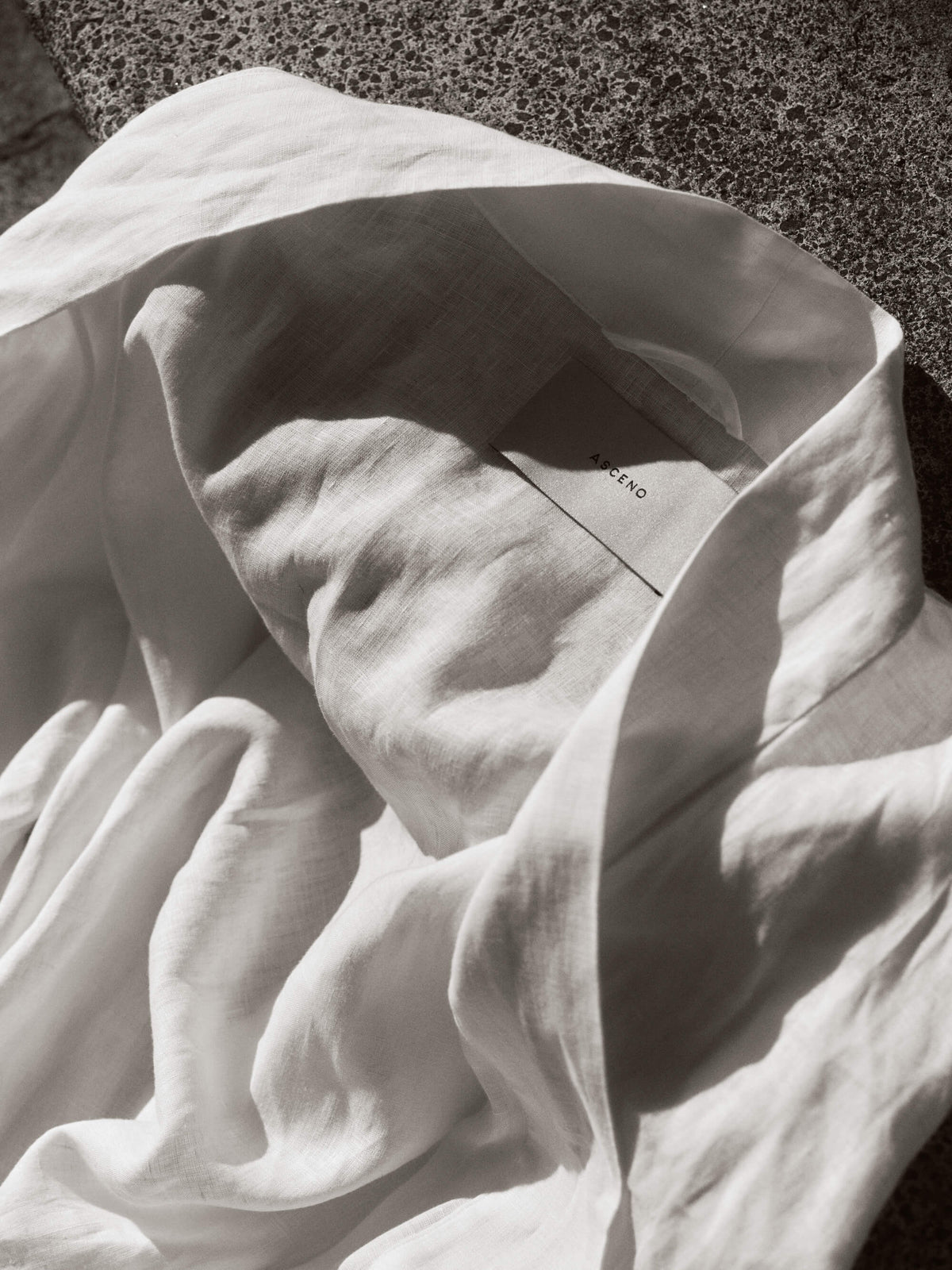
Different silk weaves and finishes affect drape, sheen, and wrinkle behaviour. Lighter-weight, fluid silks tend to cascade with a soft sheen, while heavier-weight or blended silks hold more body, resist creasing, and suit all-day wear. Always check the care label and test a hidden seam before attempting at-home washing or steaming, since some finishes and dyes react poorly to water and heat. To make silk suitable for the workplace, pair trousers with a tailored blazer, a crisp shirt, or a fine-gauge knit to add structure. Aim for a mid- to ankle-length hem and a mid- to high-rise waist to create a clean professional line. Small tailoring adjustments, such as shortening a hem, adding a slight taper, or reinforcing the waistband, will improve fit and longevity without sacrificing the silk's fluidity.
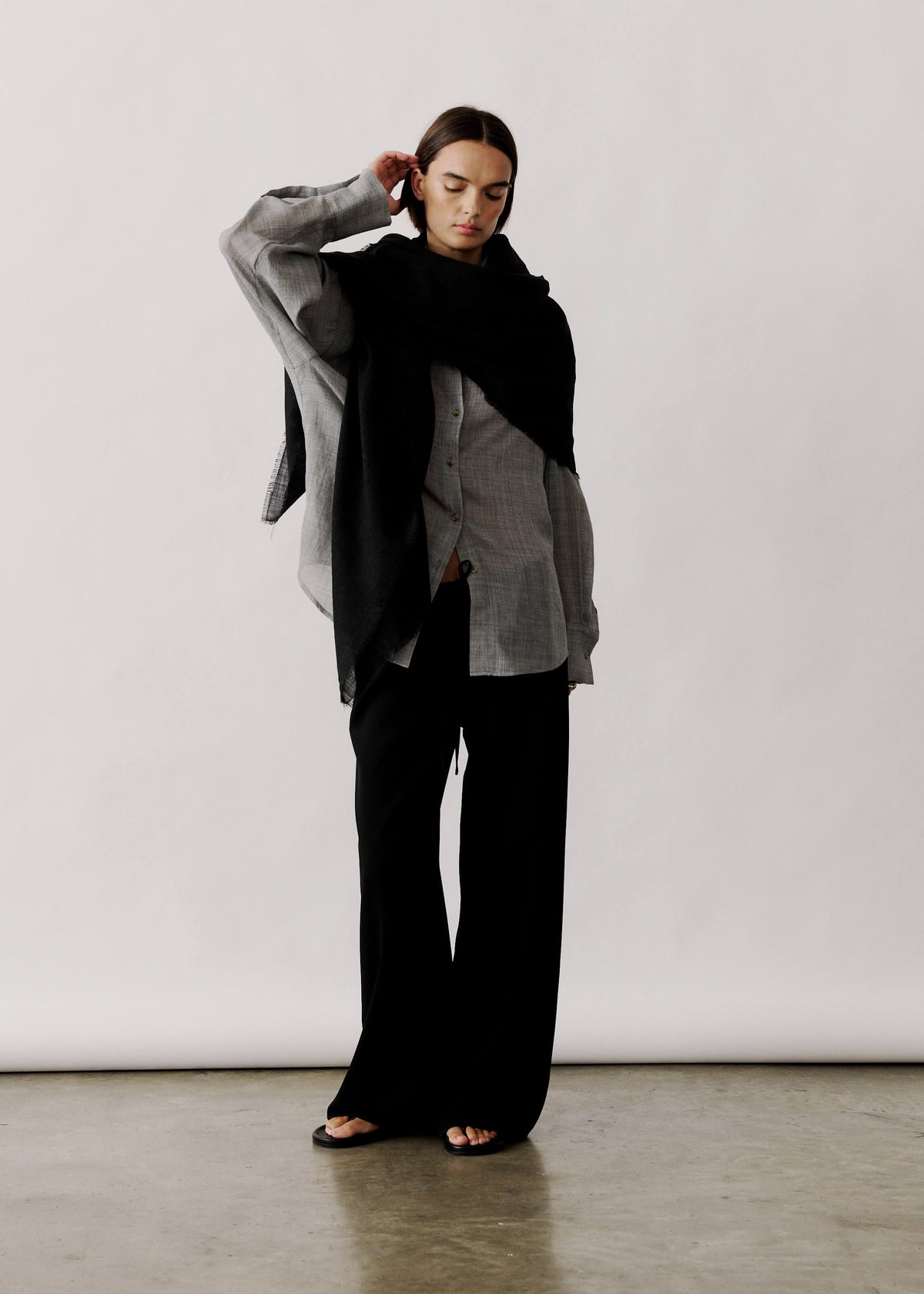
Temper silk’s natural sheen for daytime by pairing it with grounded, textural pieces: a half-tucked cotton tee with low-profile trainers, a chunky knit cardigan with polished loafers, or a denim jacket and ankle boots. When packing for a holiday, roll trousers with tissue paper to reduce creases, keep delicate finishes in a lightweight garment bag, and refresh items on arrival by hanging them in a steamy bathroom or using a handheld steamer for quick touch-ups. Start with neutral or muted base colours to maximise combinations, add a single statement accessory to shift a work look into evening, and remember that shoe choice and hem length will change perceived formality.

How to care for and pack silk garments to extend their life
Hand-wash silk trousers in cool water using a pH-neutral detergent, because silk is a protein fibre and alkaline cleaners can weaken the weave and dull colour. Rinse promptly, do not wring; instead press excess water out gently between towels and lay the garment flat on a towel to dry away from direct sunlight. For lined or structured pairs, choose professional cleaning to protect the inner construction. Relax the fibres with a handheld steamer or by hanging the trousers in a steamy bathroom. If you need to iron, turn the trousers inside out, set the iron to the lowest heat, place a pressing cloth between the iron and the silk, and press along seams to avoid surface shine. Store clean trousers in breathable garment bags with cedar or lavender sachets to deter moths and absorb moisture. Apply deodorant and perfume before dressing to minimise staining, and test any spot treatment on an inconspicuous seam first.
Pack silk to minimise creases and abrasion: fold along the garment's natural seams, slip acid-free tissue between the folds, then turn the piece inside-out and cushion it with softer garments. Folding along seams reduces surface stress and helps preserve the weave. For longer journeys, carry trousers in a breathable garment bag or keep them in your hand luggage to avoid heavy compression and reduce the need for pressing on arrival. Avoid contact with chlorine, salt water, and abrasive surfaces while wearing silk, and mend small pulls or loose hems promptly to prevent further damage. Carry a compact repair and freshen kit containing an absorbent stain-blotting cloth, diluted, mild detergent for spot treatment, spare buttons, thread, and a small steamer or crease-release spray. Having these items to hand lets you tackle mishaps quickly and extend the garment's life.
Silk trousers can bridge work and holiday wardrobes when you choose mid to higher momme weights, which provide greater opacity and durability, and favour twill or crepe weaves for a structured, flattering drape. Opt for neutral or muted colours, test the trouser’s hang and fit with the shoes you intend to wear, and learn a few simple repairs and packing techniques to extend wearability and reduce wardrobe waste.
Use guidance on sustainable fabrics, fit, styling, and care to curate a single, versatile pair that looks polished in the office and effortless on holiday. Begin by sampling responsibly sourced fabrics, checking the rise and hem as you move, and carrying a compact repair and freshening kit so your trousers stay ready to wear and retain their shape longer.

Leave a comment
This site is protected by hCaptcha and the hCaptcha Privacy Policy and Terms of Service apply.