

Effortless Resort Dressing: Build a Ten-Piece Capsule Wardrobe
Packing for a resort stay can feel overwhelming when you want to travel light yet remain polished for dinners, beach days, and excursions. A ten-piece capsule wardrobe encourages considered choices, lightens your luggage, and ensures every piece earns its place.
This guide explains how to assess local climate and dress codes, curate sustainable pieces, define a cohesive colour palette, and pair versatile outfit formulas with considered accessories for every occasion. It also gives practical packing, garment care, and maintenance tips to keep garments fresh while travelling.

How to assess local climate and resort dress codes before your holiday
Treat Mediterranean weather as your packing blueprint: hot, sunny days balanced by cool sea breezes favour breathable natural fibres such as linen and cotton, a lightweight layer for evenings, and a pair of sturdy shoes for cobbles and harbour approaches. Choose one technical, quick-dry item for boat excursions or active days, and pack compact laundry supplies so favourites can be refreshed between wears. Before you zip up the case, run a quick pre-pack test: assemble likely outfits, try them on with the shoes you plan to wear, and walk and sit to check comfort on terraces and uneven surfaces. Finally, fold each look into its intended bag to confirm bulk, swapping anything that restricts movement or creases excessively.
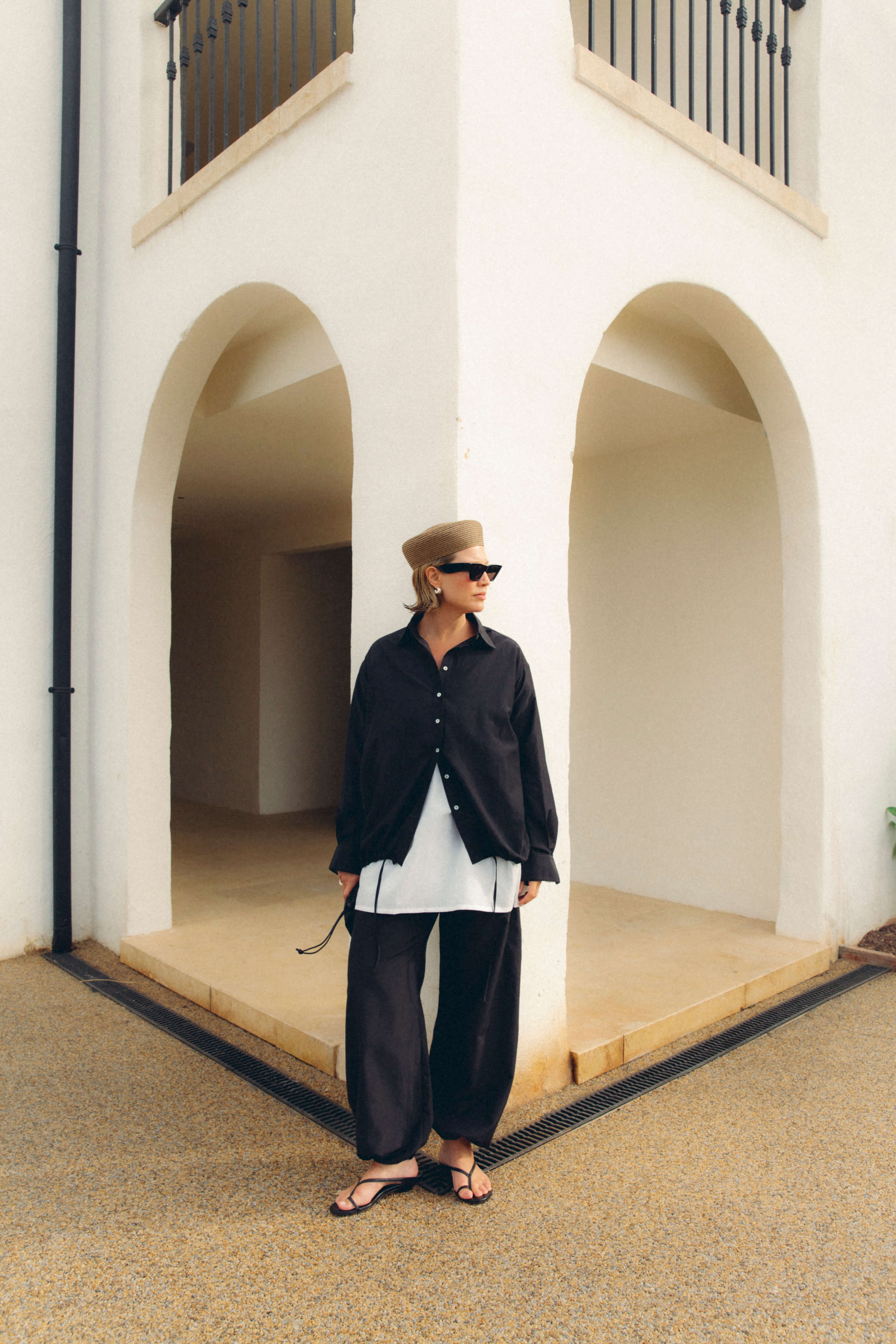
Decode resort dress codes by consulting the resort's website and guest photographs for cues such as smart casual, formal, or poolside. Read recent reviews to see concrete examples of what other guests actually wore. When in doubt, favour a neat dress or a collared shirt paired with a lightweight cover-up, and pack a scarf or sarong to cover shoulders at religious sites and family-run restaurants. Build a compact wardrobe in a neutral palette with two accent colours so every piece mixes and matches easily, enabling a smaller, more versatile packing list without compromising on options.
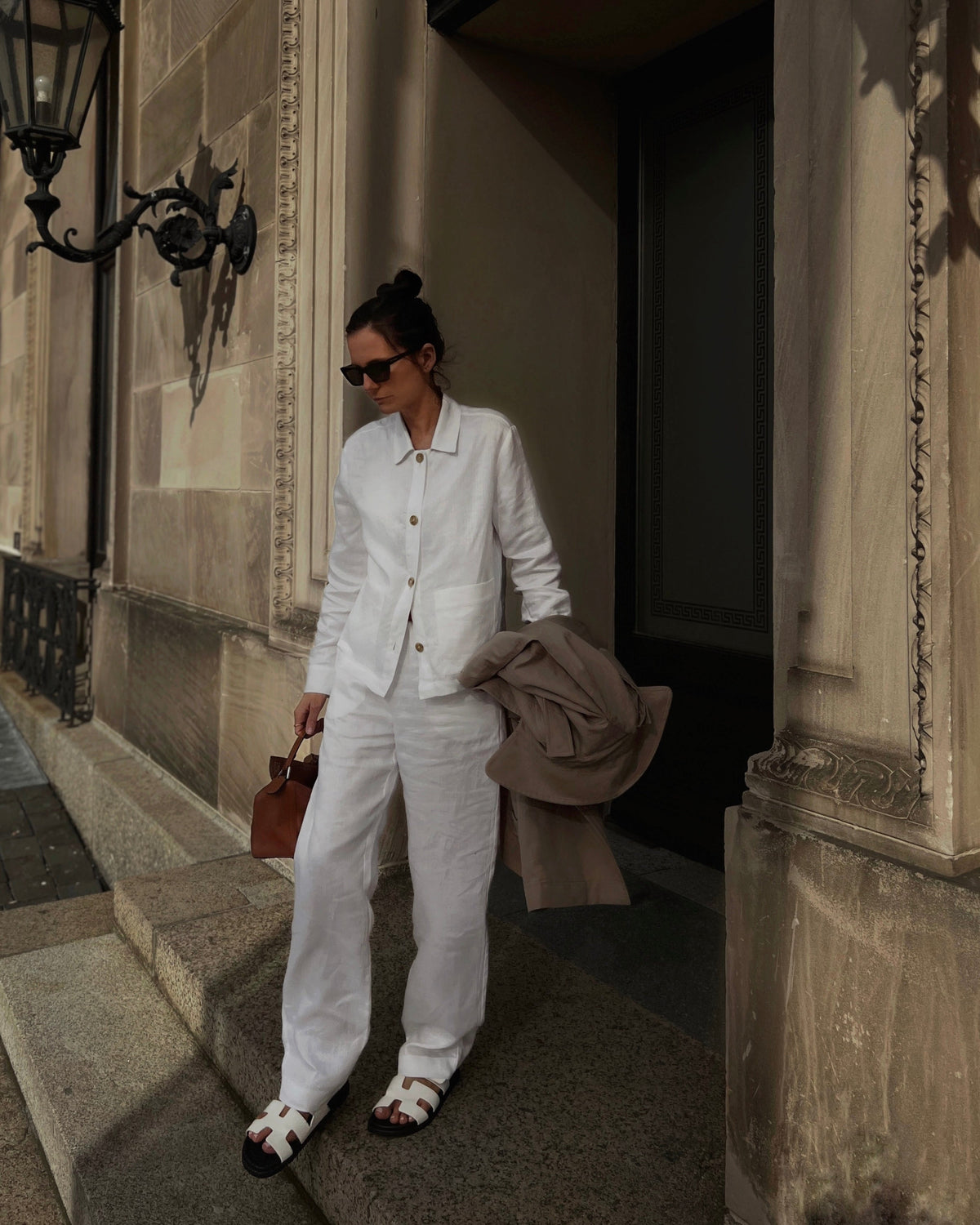
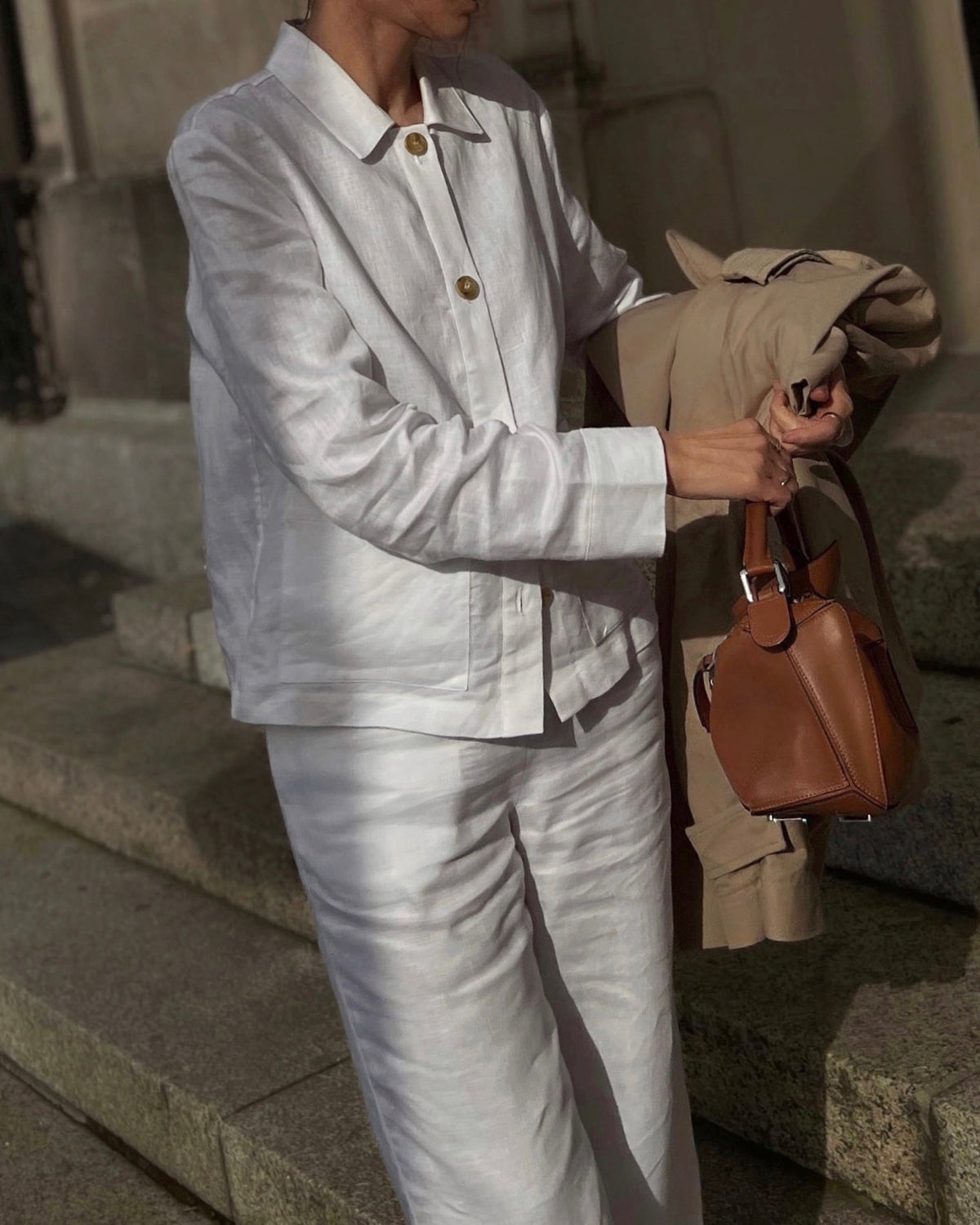
Pack a breathable linen dress for smart, effortless travel.

How to build a compact, sustainable capsule wardrobe
Construct a ten-piece capsule of two swim pieces, two bottoms, three tops, two adaptable dresses, and one lightweight layer. This selection covers beach, daytime, and evening needs while minimising duplicates. Choose fabrics by function: favour breathable, quick-drying natural fibres for daytime comfort; a low-crease, travel-friendly option for packing; and a polished, low-maintenance fabric for evening. Note that cotton breathes yet creases, linen breathes more and creases further, and silk-look fabrics lend a refined finish but require gentler care. Prioritise durability for frequently worn bottoms, packability for the lightweight layer, and polish for evening pieces to maximise outfit combinations from ten items.
Adopt a compact colour and pattern strategy: choose two neutrals, one contrasting base, and one or two accent colours, or commit to a single signature print. A small palette multiplies outfit combinations, while considered patterns anchor looks without limiting mix-and-match. Select multifunctional garments such as a shirt that doubles as a light jacket, a sarong that converts to a skirt, and a simple dress that moves from sandals by day to a layered evening look; this increases options without adding volume. Use three outfit formulas to show efficiency: beach — swimsuit, sarong, sun shirt; daytime exploring — a bottom, a breathable top, and a lightweight layer; evening — a dress, polished footwear, and the same lightweight layer. Pack and care deliberately: roll items to reduce creases, spot-clean between wears, carry a small sewing kit for quick repairs, and favour pieces you can handwash and air-dry. These practices extend garment life, cut laundry frequency, and reduce your travel wardrobe footprint.
Layers over swimwear for polished, packable coverage

Define a harmonious colour palette and mixing strategy
Begin with two or three base neutrals that share a common undertone, then add one or two accent colours and distribute them across garments so every skirt or trouser pairs with at least three tops; that structure maximises mix-and-match potential. Choose accents that sit close on the colour wheel or share chroma rather than opposing tones, because related hues harmonise more easily and increase the number of wearable combinations. Test the system by laying out the pieces and photographing every combination in varied light, arranging them in a simple matrix, bottoms by tops, plus dresses and optional layering, to count permutations and confirm the palette produces the desired number of looks.
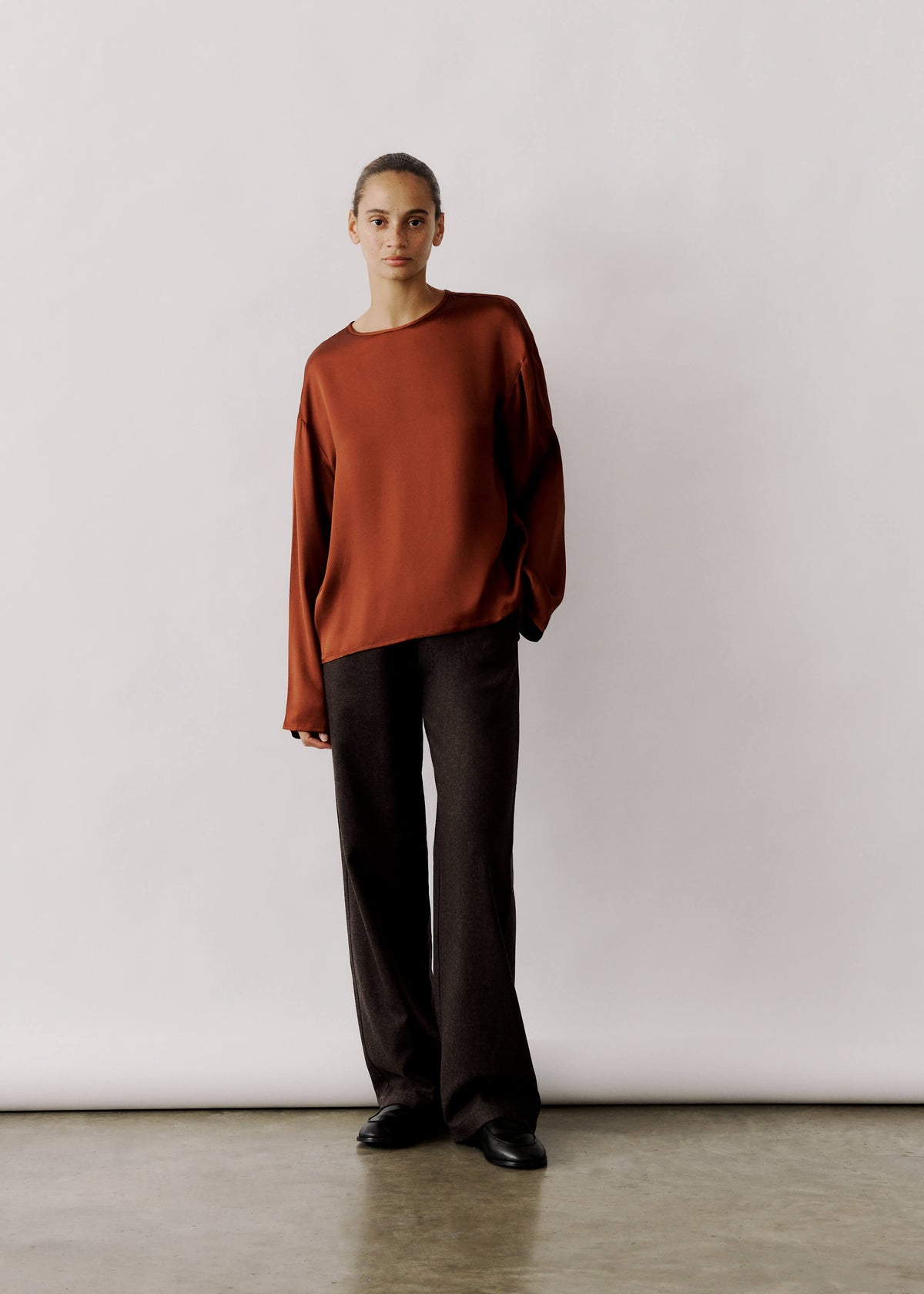
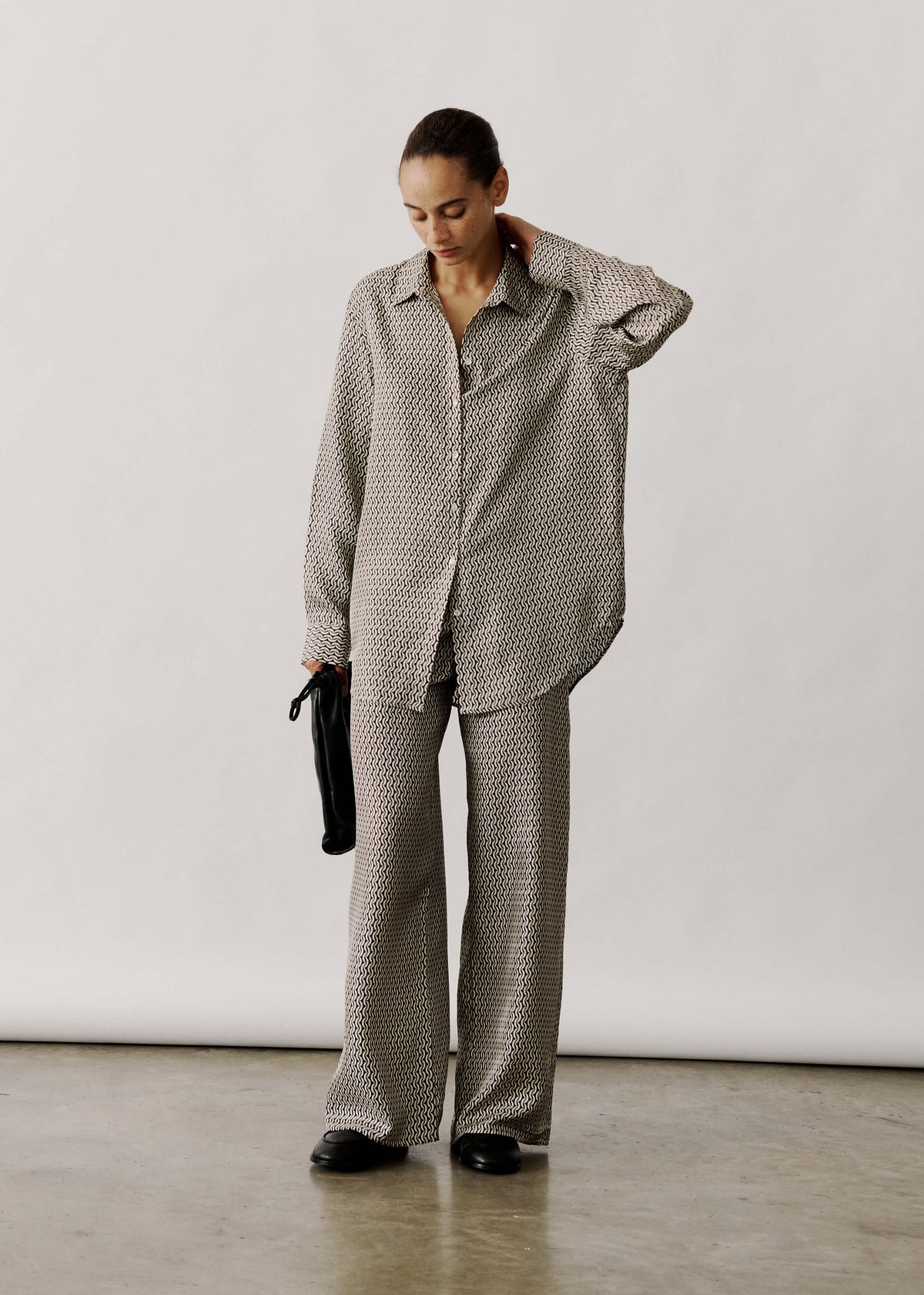
Introduce visual variety through texture and scale rather than extra colours. Choose a fine-knit jumper, a linen shirt, a lightweight silk cami, and a subtly patterned scarf, all drawn from the same palette, to create distinct looks from a single colour story. Consider shoes, a lightweight outer layer, and key accessories as integral pieces; select neutrals or muted metallics so they consistently tie combinations together and increase outfit permutations. A limited colour story, considered fabrics, and a disciplined accessory strategy will yield many different outfits without adding new colours. Photograph combinations in varied light to reveal unexpected pairings and to identify any pieces that underperform within the capsule.
Mix-and-match playbook for a cohesive capsule wardrobe
- Practical pairing rules and a photographed matrix: choose two to three base neutrals that share an undertone, add one or two related accent colours, ensure every bottom pairs with at least three tops, and verify the system by laying garments out in a simple grid with bottoms across one axis, tops down the other, a column for dresses, and rows for optional layers; photograph combinations in different light and count permutations using bottoms times tops plus layered variations to confirm you reach your target number of looks.
- Texture, pattern, and scale playbook: introduce variety without new colours by mixing fabrics such as fine knit, linen, silk, and a subtly patterned scarf, vary scale by pairing small-scale prints or micro-patterns with plain or large-weave textures, and note care and packing trade-offs so you can swap seasonal fabrics without expanding the palette; these tactile contrasts create visually distinct outfits while preserving colour cohesion.
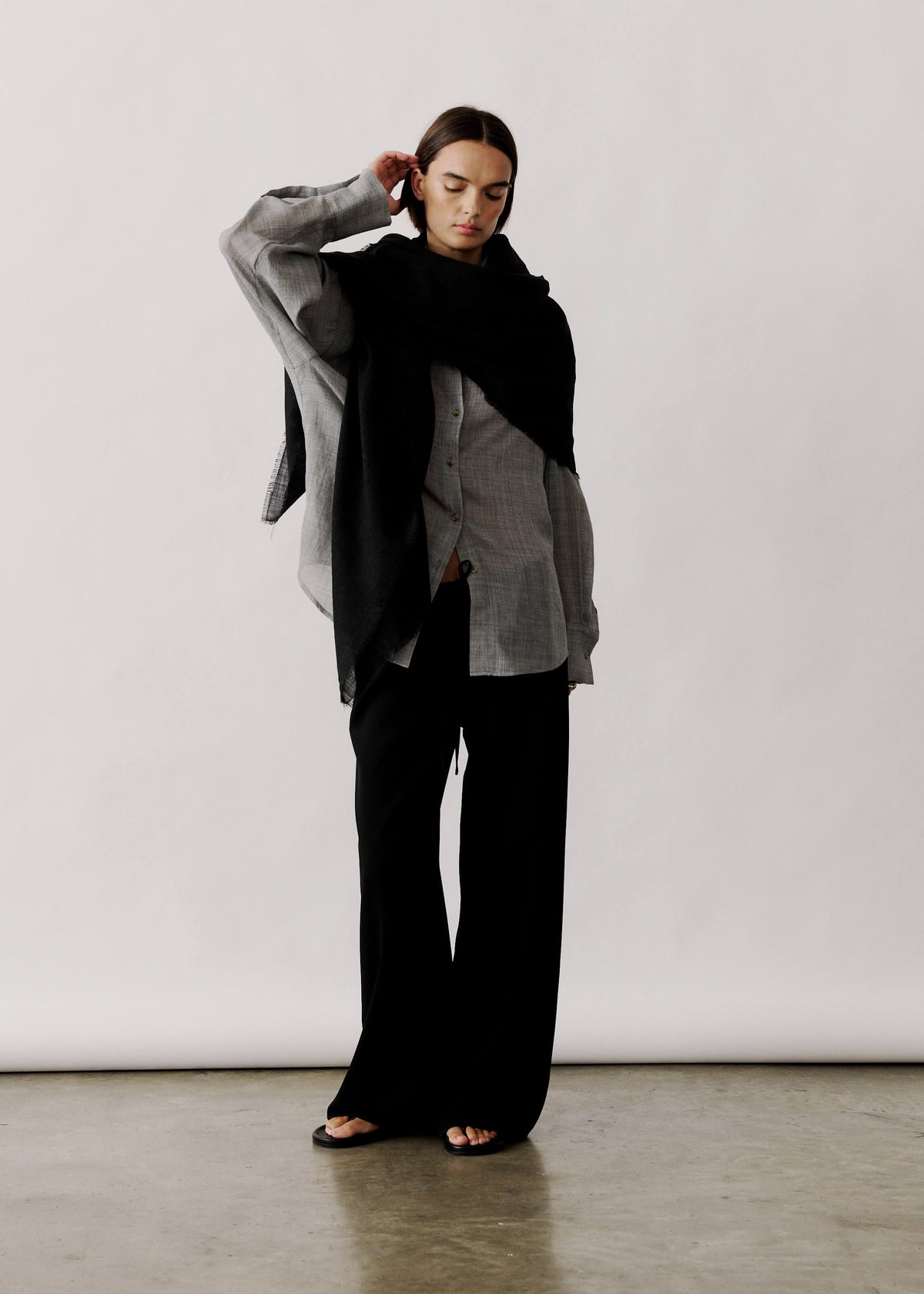
- Accessories and outerwear as outfit multipliers: treat shoes, one lightweight outer layer, belts, scarves, and a bag as integral pieces, select them in neutrals or muted metallic finishes that harmonise with your undertone, keep one statement accessory and several restrained pieces to increase permutations, and use belts or scarves to alter proportion and focal point so a single outfit can read as multiple looks.

Craft effortless outfit formulas and refined accessory pairings for work, leisure, and evening events
Begin with a ten-piece wardrobe: two bottoms, three tops, one dress, two lightweight outer layers, and two pairs of footwear. Interchangeable tops and bottoms multiply daytime looks; layering expands options, and a dress covers evenings. Three tops and two bottoms yield six base outfits; each outer layer or accessory can double or triple those combinations. Choose breathable fibres such as linen and cotton to help avoid overheating, and reserve quick-drying synthetics for pieces you plan to hand-wash and reuse.
Use compact outfit formulas as plug-and-play recipes. For the beach: swimsuit, linen shirt, wide-brim hat, slide sandals. For sightseeing: light top, cropped trousers, trainers, cross-body bag. For sundowners: silk blouse, midi skirt, heeled sandals, statement earring. Limit accessories to scarves, a belt, one pair of statement earrings, a simple necklace, and two bags, so small swaps change the mood without adding bulk. Choose a consistent palette with one neutral base, two accent colours, and one pattern so any top pairs with any bottom. Favour small-scale prints that sit quietly with solids to increase permutations. Pack strategically: photograph outfits before you travel so you can recreate looks easily, use packing cubes to keep ensembles together, and follow a simple sink-wash routine of rinse, squeeze into a towel, and air dry. Rinse salt from swimwear and hang garments immediately to avoid creases.
Layers over swimwear and dresses up for evenings.

How to pack, care for, and preserve garments sustainably
Build a ten-piece capsule by choosing three neutral bottoms, three tops, a dress that doubles as a cover-up, a lightweight jacket, a swimsuit, and two pairs of shoes. Limit the palette to three core colours and a single accent to maximise combinations. Use interchangeable formulas: swimsuit, cover-up and sandals for beach-to-bar; tailored trousers with a crisp top and jacket for evening; a lightweight dress with a denim jacket for daytime exploring; and a layered travel look of trousers, top and jacket for transit. These simple formulas extend outfit options while keeping luggage light, as each neutral pairs with the accent to refresh looks with minimal pieces.
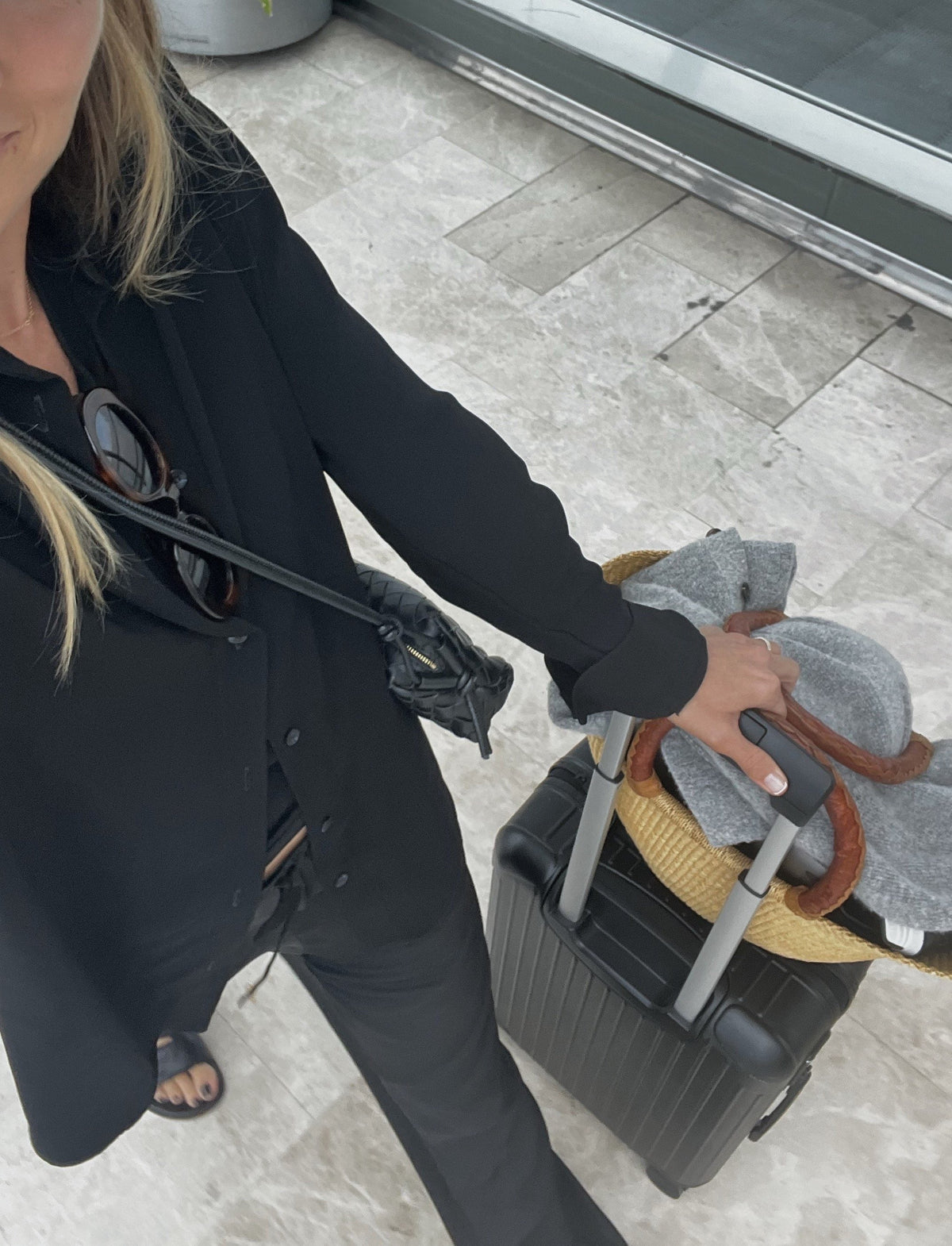
Protect garments and save space with considered packing and simple care. Roll knits and swimwear to reduce bulk and prevent creasing; fold shirts and tailored trousers along their natural lines to keep them crisp. Pack coordinated outfits into cubes, placing heavier items at the base, and isolate any damp pieces in a waterproof pouch to stop moisture spreading. For on-the-go care, hand-wash small items in the sink with a little gentle, biodegradable detergent, rinse thoroughly, then press excess water out between towels and hang or lay flat to dry. Pre-treat stains by blotting with detergent and water rather than rubbing, which can set marks or damage fibres. Carry a compact repair kit: a small needle and thread in two neutral colours, spare buttons, tiny scissors, safety pins, and a stain-remover pen. Learning two basic stitches, such as a secure running stitch and a small hemming stitch, lets you mend tears promptly and extend a garment’s life. Choose breathable, odour-resistant fabrics such as linen, merino wool, or lyocell to reduce how often you need to wash items. Rotate pieces to spread wear, launder full loads, and air-dry whenever possible to save water and energy. At the end of a garment’s usable life, repair, donate, or recycle textiles to keep them out of landfill.
A ten-piece capsule makes packing an intentional, considered task. By prioritising breathable, natural fabrics, multifunctional pieces, and a restrained colour story, it expands outfit possibilities while remaining streamlined. Built around swimwear, two bottoms, three tops, two versatile dresses, and a lightweight layer, the capsule produces dozens of wearable combinations for beach days, exploring, and relaxed evenings.
Turn the article's headings into action: assess the climate and local dress codes, choose a cohesive palette, trial a few outfit formulas at home, and pack with simple care routines so the system works in practice. A restrained palette and pre-tested combinations let a handful of garments create multiple looks, meaning lighter luggage, fewer washes, and a holiday-ready wardrobe of polished, interchangeable outfits.
FAQ
What should I include in a ten-piece resort capsule wardrobe?
Build the capsule around two swim pieces, two bottoms, three tops, two versatile dresses, and one lightweight layer so beach days, exploring, and evenings are all covered without duplicates.
How do I choose fabrics for a hot, coastal Mediterranean holiday?
Prioritise breathable natural fibres such as linen and cotton for daytime comfort, include a quick-dry technical piece for boat trips or active days, and pack a low-crease or silk-look fabric for dressier evenings while accepting the creasing trade-offs.
Why is a restrained colour palette important and how do I create one?
Choose two to three base neutrals that share an undertone, add one or two related accent colours or a single signature print, and distribute those shades so every bottom pairs with at least three tops, using texture and scale to add visual variety without new colours.
How can I adapt outfits for local dress codes and evenings out?
Inspect resort websites, guest photos, and recent reviews to learn local cues, and when in doubt pick a neat dress or a collared shirt with a lightweight cover-up, carrying a scarf or sarong to cover shoulders at religious sites and family-run restaurants.
What are practical packing and care tips to keep garments fresh on the move?
Roll knits and swimwear, fold shirts and tailored trousers, use packing cubes, hand-wash small items then rinse, press excess water out between a towel and air-dry, and carry a compact repair kit with needle and thread, spare buttons, tiny scissors, safety pins, and a stain remover pen.

Leave a comment
This site is protected by hCaptcha and the hCaptcha Privacy Policy and Terms of Service apply.