


10 Ways to Combine Prints While Maintaining a Cohesive, Effortless Capsule Wardrobe
Concerned that prints will unsettle your carefully edited capsule wardrobe? Mixing patterns can feel risky, but a few considered rules around colour, scale and texture will allow you to introduce personality while ensuring each piece remains versatile and wearable.
Six considered strategies: setting capsule goals, curating a cohesive colour palette, choosing a signature print, balancing scale and proportion, matching fabrics to the season, and creating effortless outfit formulas. Use these approaches to broaden outfit variety, reduce decision fatigue and maintain a cohesive, low-maintenance wardrobe you genuinely enjoy wearing.

1. Define capsule wardrobe goals for elegant print mixing
Begin by clarifying the aims of your capsule: decide how many printed pieces you want, which occasions they should cover, and whether prints will function as accents or focal points. Choose a restrained shared colour palette anchored by one neutral and one or two repeating hues. Establish a print hierarchy and limit variety by selecting a single statement print, one supporting print and small printed accessories. Mix scales by pairing a large-scale motif with a fine-scale pattern so patterns do not compete visually. Identify anchors and solids by keeping two neutral garments that recur across outfits to break up pattern, and introduce recurring textures or a repeated motif across prints to create visual continuity. Plan a handful of outfit formulas, for example a printed skirt with a neutral knit, a patterned shirt beneath a solid blazer or printed outerwear over a tonal base, and photograph each formula to confirm balance and wearability.
Match fabric weight, finish and formality so printed pieces drape and move together, favouring complementary sheens and seasonless motifs for greater versatility. Start with simple, photographed outfit formulas to practise mixing prints with confidence, using solid tones and anchoring pieces to temper busier patterns and small printed accessories as subtle accents. Taken together, a limited palette, clear print hierarchy, consistent textures and considered formulas make mixing prints in a capsule wardrobe feel cohesive and effortless.
Adds a wearable printed layer to anchored neutral outfits.

2. Create a cohesive colour palette for a timeless wardrobe
Begin by narrowing your wardrobe palette to two principal colours plus a single neutral. Choose printed pieces that each contain at least one of those shades so patterns share a recognisable thread. Repeating the same tone across prints makes combinations feel considered rather than accidental. Anchor livelier prints with a neutral base such as navy, camel or cream, and build outfits around a neutral jacket, skirt or pair of trousers before introducing one or two printed pieces. The neutral foundation reduces perceived clutter and allows prints to read as harmonious and effortlessly composed.
Attend to colour intensity and value as well as hue. Pair muted, desaturated prints together and reserve vividly saturated motifs for a small area or a single focal piece so no pattern overwhelms the look. Draw a linking hue from one print and echo it in a small accessory, such as a scarf, belt or shoes, placing it near the face or at the centre of the outfit to visually unite disparate patterns. Test combinations objectively by photographing outfits in natural light or by creating quick digital swatches on your phone, then lay out three-colour swatches to check for a light, mid and dark balance and to confirm the prints share a cohesive palette.
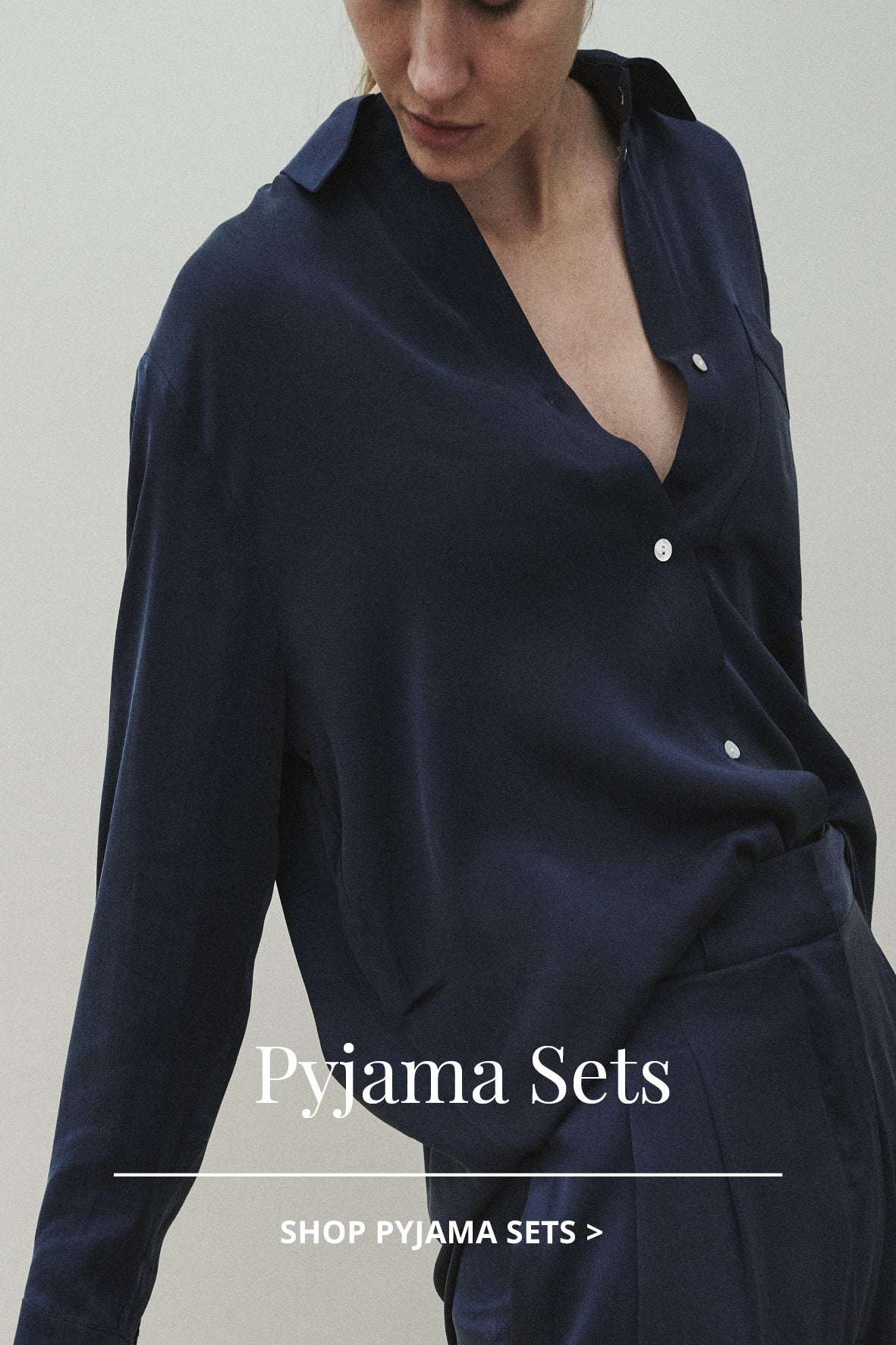
Anchor prints with a soft silk shirt.

3. Choose a signature print anchored by timeless neutrals
Select a single signature print to act as your visual anchor, then extract one or two colours from it to repeat across outfits so every look has a considered, cohesive thread. Anchor that print with neutral, foundational pieces such as trousers, an overcoat, shoes or knitwear, choosing neutrals that share the print's undertone, for example warm camel with warm florals or cool grey with navy stripes. Harmonise the overall effect by echoing a colour or motif at different scales, for instance pairing a large-scale printed dress with a small-scale scarf, or choosing a patterned shoe or bag that picks out the same tone.
Limit any signature print to one or two focal pieces per outfit so the eye can rest, and balance patterns with plain textures such as cashmere, wool or crisp cotton to introduce depth without visual competition. Use accessories and light layers to trial combinations before committing: layer a neutral blazer over a print, swap belts or bags in tonal coordinates, and observe which pairings feel most cohesive. Photograph outfits from a few angles to see how repeated colour ties elements together across scales and to reveal clashes a mirror might miss. These small experiments allow you to refine a capsule wardrobe that feels effortless, where every piece contributes to a clear, repeatable colour story.
Introduce a cool neutral silk to anchor patterned looks.

4. Balance print scale and proportion for a harmonious silhouette
Print scale is typically described as small, medium and large. Small prints, such as ditsy florals, micro stripes and fine polka dots, read as texture from a distance; medium prints register clearly at arm's length; and large prints, like oversized florals or broad graphic motifs, become the focal point. A practical approach is to choose one dominant print and one supporting print at a different scale. Allow the dominant print to cover most of the outfit, while the supporting print appears in a smaller area, such as a skirt panel, scarf or neckline, so the visual weight remains balanced.
Choose at least one shared colour across prints to create a sense of cohesion. A simple test is to hold the two pieces side by side at arm's length and see whether a particular colour appears in both. Consider placement and proportion: use larger prints where you want emphasis, reserve smaller prints nearer the face to minimise visual clutter, and select print size with regard to the garment's surface area rather than the body part alone. If patterns still compete, introduce a solid or subtly textured neutral to rest the eye. Scale accessories to the prints by pairing smaller, more delicate pieces with larger prints and choosing bolder accessories with finer prints so the overall look remains balanced.
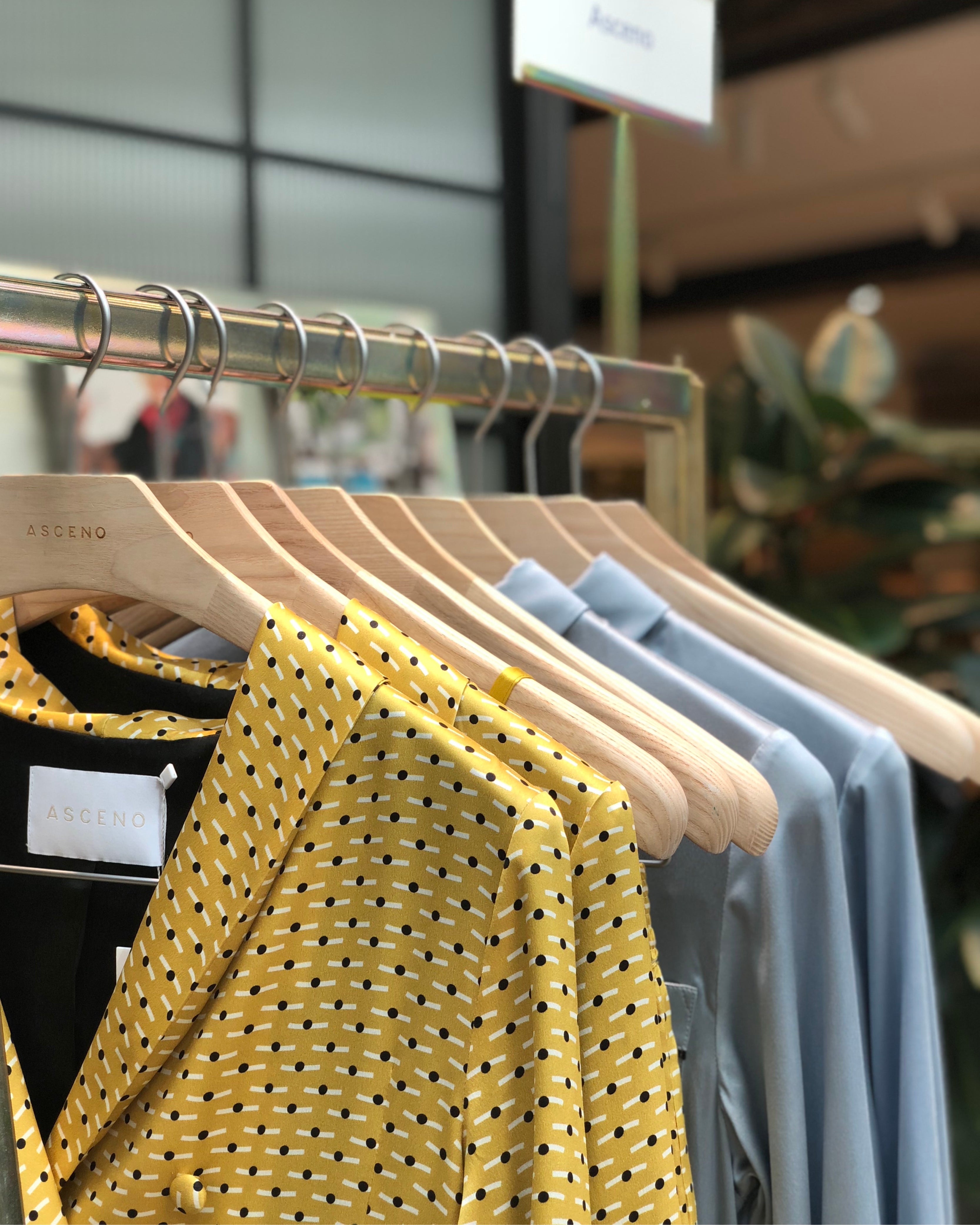
Balance prints with a dust-blue silk top.

5. Combine print types with considered contrast for a refined look
Choose a shared colour palette so one or two hues recur across each print, and carry those tones into a third piece, such as a coat or scarf. Repeated colours act as a visual thread, creating a quiet sense of cohesion. Vary the scale and density of prints to establish hierarchy: pair a large, bold motif with a smaller, low-contrast pattern so the eye reads one as the focus and the other as background. Designate a single print as dominant and use others as supporting accents on sleeves, a top layer or accessories, since a clear focal pattern simplifies the composition and prevents motifs from competing for attention.
Anchor mixed prints with a neutral or tonal block that repeats a colour from the patterns to give the eye rest and maintain balance. These anchoring elements reduce visual noise and make multiple prints feel deliberate. Mix within the same family and play with texture: pair geometric with geometric, or an organic floral with a structured check, and use textured fabrics so they read as a subtle pattern. Align pattern direction with the body's lines to enhance flow, as shared geometry and texture create harmony and keep the silhouette cohesive.
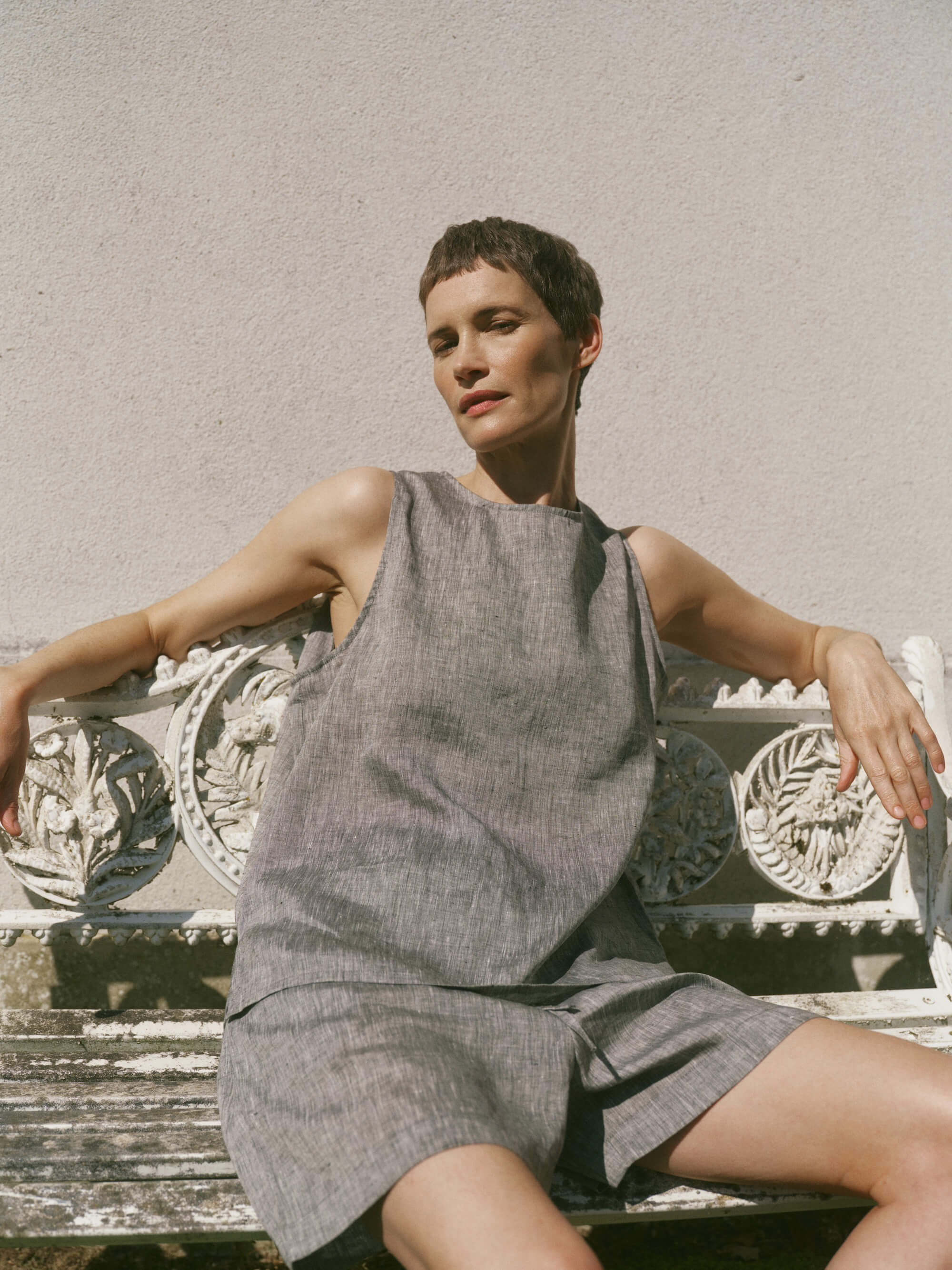
Anchor prints with a soft beige linen top.

6. Use tonal and monochrome pairings to create a refined, timeless palette
Tonal pairings combine different values of the same colour to create depth, while a monochrome approach limits an outfit to a single hue for a pared-back effect. A simple rule is to choose one dominant colour, introduce one or two supporting shades in lighter or darker values, and anchor the look with a neutral. The eye naturally groups similar hues, so garments from the same chromatic family read as cohesive. To avoid a flat silhouette, vary the value: allow one print to be larger as the focal point and balance it with a smaller-scale print placed closer to the face.
Use texture and finish to create depth without adding new colours. Pair matte cotton with lustrous silk, or a chunky knit with fine crepe, allowing their differing light‑reflecting qualities to delineate layers. Soften transitions between adjacent tones with accessories or modest prints in a mid tone—a scarf, belt or bag will act as a visual connector. Always assess combinations in natural light and handle the fabrics to ensure the intended contrast. Photograph the outfit and convert the image to monochrome to judge tonal relationships objectively. If the monochrome image reads as one flat shape, introduce a lighter or darker element or a more textured piece until the silhouette and layers read clearly.
Layer sandwashed silk for subtle tonal depth.

7. Anchor prints with solids and tactile textures for effortless balance
Choose a dominant colour from one print and anchor the outfit with a solid in that hue to harmonise patterns and reduce visual competition. Insert a textured solid, such as a knit, tweed or suede, between patterned pieces to create separation and depth so two prints read as deliberate layering rather than clutter. Use a plain piece to bridge contrasting prints; for example, a neutral blouse between a floral top and striped trousers provides breathing space and clarifies scale relationships. Match fabric weight and finish to help the eye settle: pair lightweight, matte prints with a heavier textured solid to ground the look, or introduce a polished accessory to lift a muted print without adding another pattern.
Structured silhouettes and clean lines, such as a blazer, straight trousers or a sheath dress in a solid colour, calm busy patterns and make outfits easier to pair. When silhouette and fabric finish are in harmony, the combination reads as intentional rather than accidental, helping a capsule wardrobe remain coherent and versatile. Treat a solid as a visual fulcrum: it clarifies focal points, balances scale differences and makes it practical to combine multiple prints within a look.
Anchors patterned looks with a neutral linen top.

8. Align fabrics and prints with each season's mood
Fabric weight and drape determine how a pattern is perceived. Chunky woollen fabrics and tweed with large plaids feel cosy and read as autumnal or wintry, while fluid silk or viscose with microprints register as lighter choices for spring and summer. Mirror print scale to layering and proportion by choosing bolder, larger prints on heavier fabrics that will sit beneath coats or knitwear, and favour small-scale motifs on lightweight pieces worn alone so patterns remain legible. Fibre and finish also influence colour depth and clarity: wool and cotton tend to yield richer, more saturated prints, whereas linen and fine synthetics soften tones and texture. To harmonise mixed prints, select fabrics that produce similar colour intensity. For example, pair seersucker stripes or tiny florals on breathable cotton for warm weather, and combine herringbone, jacquard or tartan with brushed wools for colder months to reinforce a seasonal mood.
Carry a print between seasons by changing a single layer or refreshing accessories. For instance, a lightweight floral blouse beneath a tailored jacket makes for an elegant autumn pairing, while a wool tartan skirt with sandals and a linen shirt feels effortless in late spring. Care for printed pieces by following the garment instructions: select a delicate machine cycle or hand wash, rinse in cool water and avoid harsh detergents. Finish with gentle steam to revive drape and vibrancy so each piece moves between seasons without losing character.
Layer sandwashed silk to soften and carry prints

9. Create versatile outfit formulas for effortless wardrobe mixing
Establish three or four reliable outfit formulas—think a neutral base, a dominant print, a secondary print and a textured layer—and practise them until they become your go-to combinations. Translate these formulas into concrete pairings you can reach for with ease: for example, a Breton tee with a floral midi and a denim jacket, or a polka-dot blouse with checked trousers and a monochrome coat. A steady neutral foundation and recurring colour notes will anchor the prints and make styling feel effortless.
Choose a single linking colour for each outfit and repeat it across the ensemble, drawing that hue from each print into an accessory, shoe or outer layer so the eye reads the look as deliberate. Balance scale and proportion by pairing a large-scale print with a small-scale pattern so one element reads as the focal point and the other reads as texture; keep the larger print as the main garment and reserve the smaller print for shirts, scarves or accessories to preserve harmony. Assign clear roles to garments, such as anchor, contrast or texture, allowing a tailored blazer to temper a flowing printed dress or a textured knit to soften two bold patterns. Photograph or note eight to ten mixed-print outfits that work, record why each succeeds, and use that set as a mini catalogue to reduce decision fatigue and refine which combinations feel most cohesive for your wardrobe.
Anchor mixed prints with a striped silk shirt.

10. Edit your wardrobe, care for garments and shop mindfully
Photograph each printed garment and sort them into keep, mend and donate piles. The images reveal which patterns harmonise and which create visual clutter. Retain only pieces that clearly pair with at least two others so each print can form multiple outfits. Attend to small repairs, mending seams, replacing fastenings and adjusting hems so prints fall gracefully over your silhouette. Thoughtful mending and considered editing turn printed pieces into dependable anchors for a cohesive capsule wardrobe.
Always follow care labels. Wash printed pieces inside out on a gentle cycle or by hand, launder with like colours and reshape garments to lie flat to dry so colours remain true and motifs stay crisp. Store and rotate deliberately by folding delicate knits to avoid stretching, hanging structured pieces on shaped hangers and bringing seasonal prints into regular rotation. Before purchasing, photograph prospective prints alongside existing capsule pieces to check repeat colours and scale, favour fabrics that launder well and limit new acquisitions to prints that clearly harmonise with your capsule palette.
Mixing prints can broaden a capsule wardrobe without compromising cohesion when colour, scale and texture are thoughtfully balanced. A restrained palette, a clear print hierarchy, complementary fabrics and repeatable outfit formulas transform patterns into considered details rather than visual clutter.
Revisit the practical steps: establish a cohesive colour palette, select a signature print, balance print scale with seasonal fabric choices, and anchor looks with solid core pieces and simple outfit formulas. Test combinations, photograph the looks that work, and edit with care. Keep only prints that relate to several other items, assemble eight to ten reliable mixed-print outfits, and you will reduce decision fatigue while preserving a coherent, expressive capsule wardrobe.

Leave a comment
This site is protected by hCaptcha and the hCaptcha Privacy Policy and Terms of Service apply.