
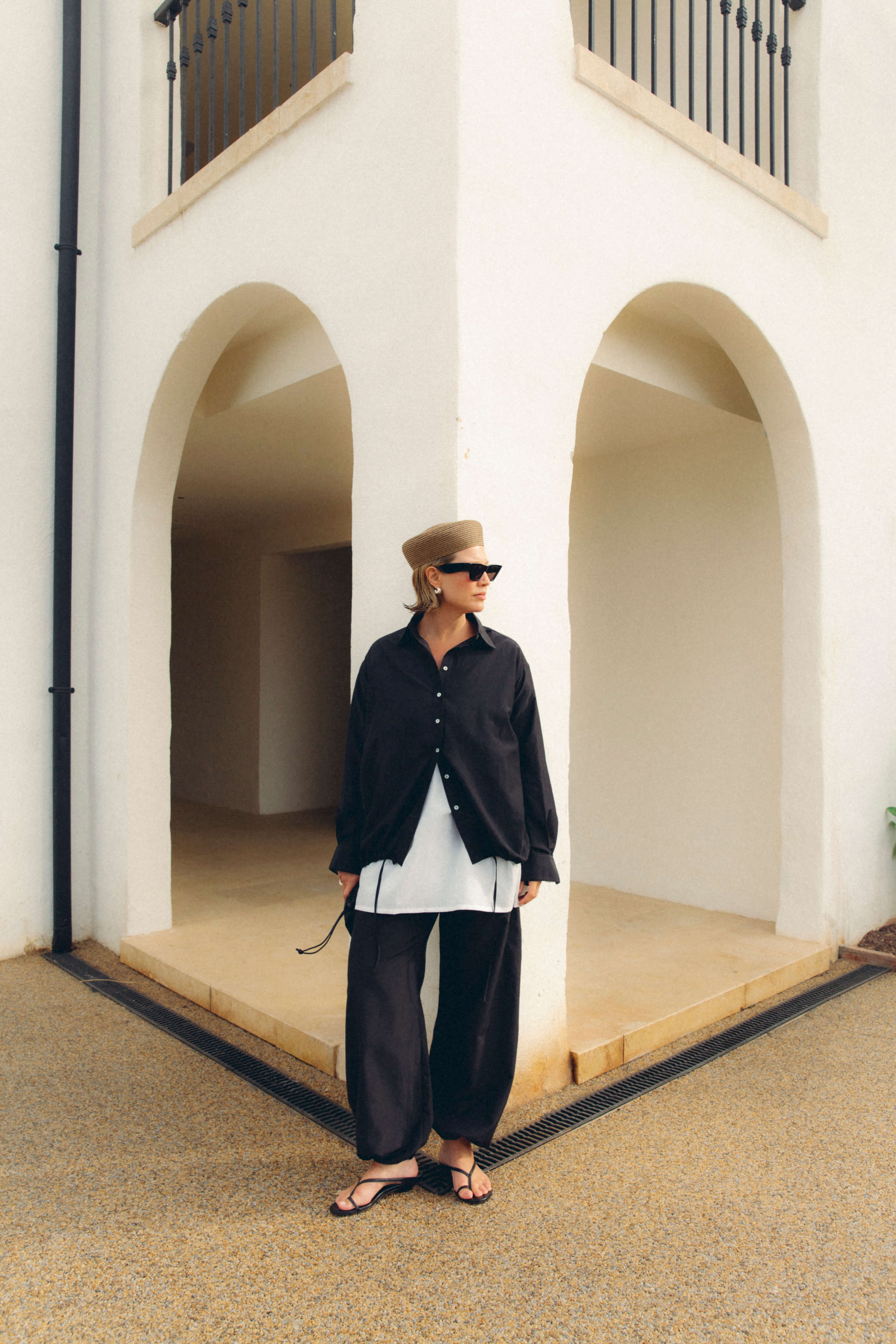

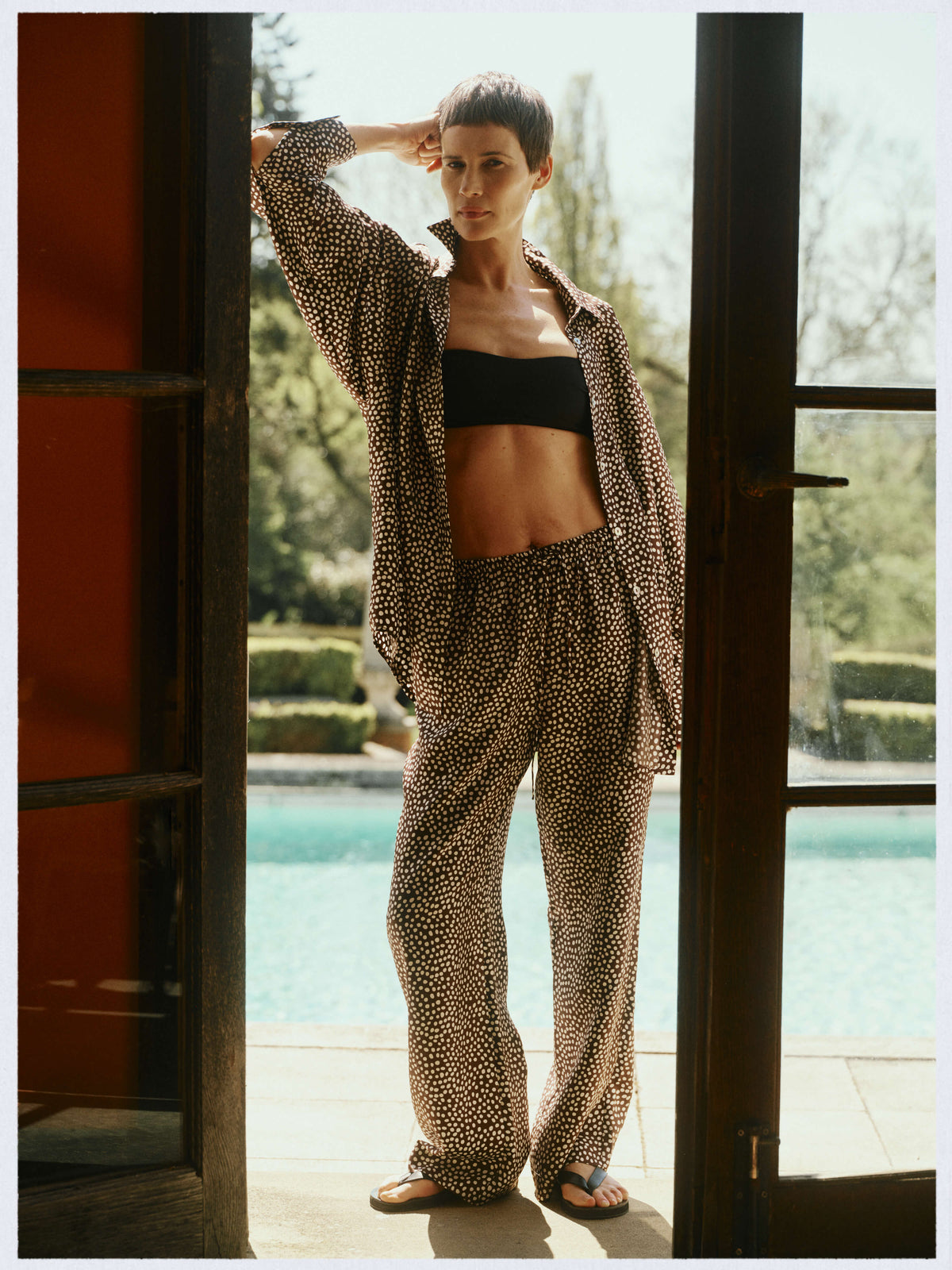
Transform a Printed Pyjama Top into an Effortless Daytime Outfit
You love the print and ease of a pyjama top, but wearing it beyond the bedroom can feel risky. Small choices in pattern, texture, and fit, together with considered colour, layering, and finishing touches, will transform it into a polished daytime outfit.
Begin by reading the fabric and silhouette to understand how a piece moves and flatters. Define the mood and the occasion, then build a complementary colour story and balance proportions with considered layering. Finish with deliberate accessories, footwear, and outerwear to anchor the look, so it feels purposeful rather than accidental.

Assess pattern, texture, and fit for a refined wardrobe
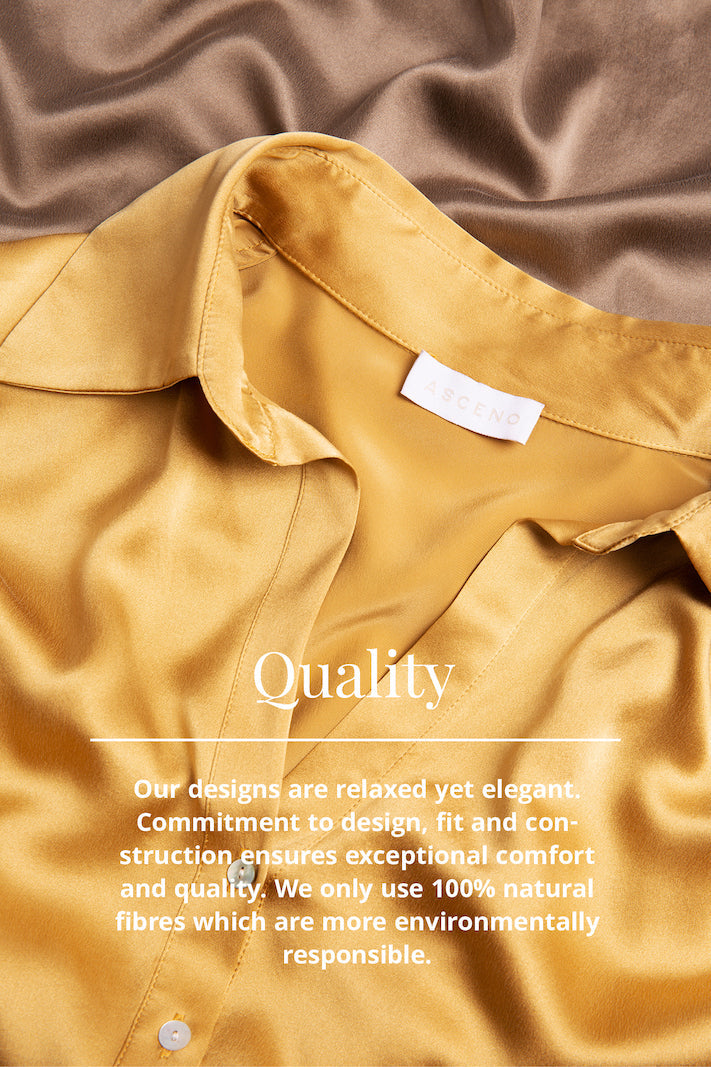
Begin by examining the scale and contrast of the print on a pyjama top. Small, textural motifs read as a neutral from a distance, while larger, graphic repeats become the look's focal point. Anchor bold or high-contrast prints with a solid in a less dominant colour taken from the pattern to restore balance. Assess the fabric in person: test weight, drape, and sheen. A fluid, silky finish elevates a top and reads dressier, whereas a matte, structured cloth feels more casual. Temper shine with a structured layer or matte accessories, or embrace sheen by pairing the top with tailored pieces so the effect feels intentional.
Note where a motif falls in relation to the bust, waist, and hem. Use a half-tuck, belt, or knot to move focus away from the hips and create a defined waist. Balance proportions by pairing a boxy, oversized top with slim, tailored bottoms and streamlined outerwear, or offset a slim, lingerie-like top with relaxed trousers or an unfitted jacket to avoid a dressing-gown silhouette. Introduce one or two contrasting textures, such as matte cotton, leather, or a soft knit, to add visual depth, and keep metal tones and accessory scale consistent so the outfit reads cohesive rather than costume-like. Finally, adjust sleeve length by rolling or cuffing to refine scale, and step back to check the overall proportion before committing to the silhouette.

Match your mood to the occasion
Begin by deciding the tone you want and the event you are dressing for. Choose one or two defining signals to reinforce it. A neat silhouette and a small-scale print register as polished, whereas an oversized cut and a bold print read as relaxed. Let the pyjama top set the rules: fabric, print scale, and neckline indicate whether to tuck, half-tuck, or wear loose, and whether to pair with tailored pieces or denim. Keeping these signals aligned prevents mismatches, for example a floaty, high-shine top that feels out of place on an errand-filled day.
Account for movement, temperature, and duration when composing an outfit: choose closures and lengths that remain secure, and prefer fabrics that resist creasing. Anchor a printed top with a solid-colour bottom that echoes one colour from the print, then use proportion and texture to indicate casual, smart-casual, or dressy. Finish with a single focal accessory, and select outerwear and shoes that nudge the look toward your intended occasion. Small, considered choices like these keep an outfit readable and practical, while preserving personality.

How to Craft a Complementary Colour Story for Your Wardrobe
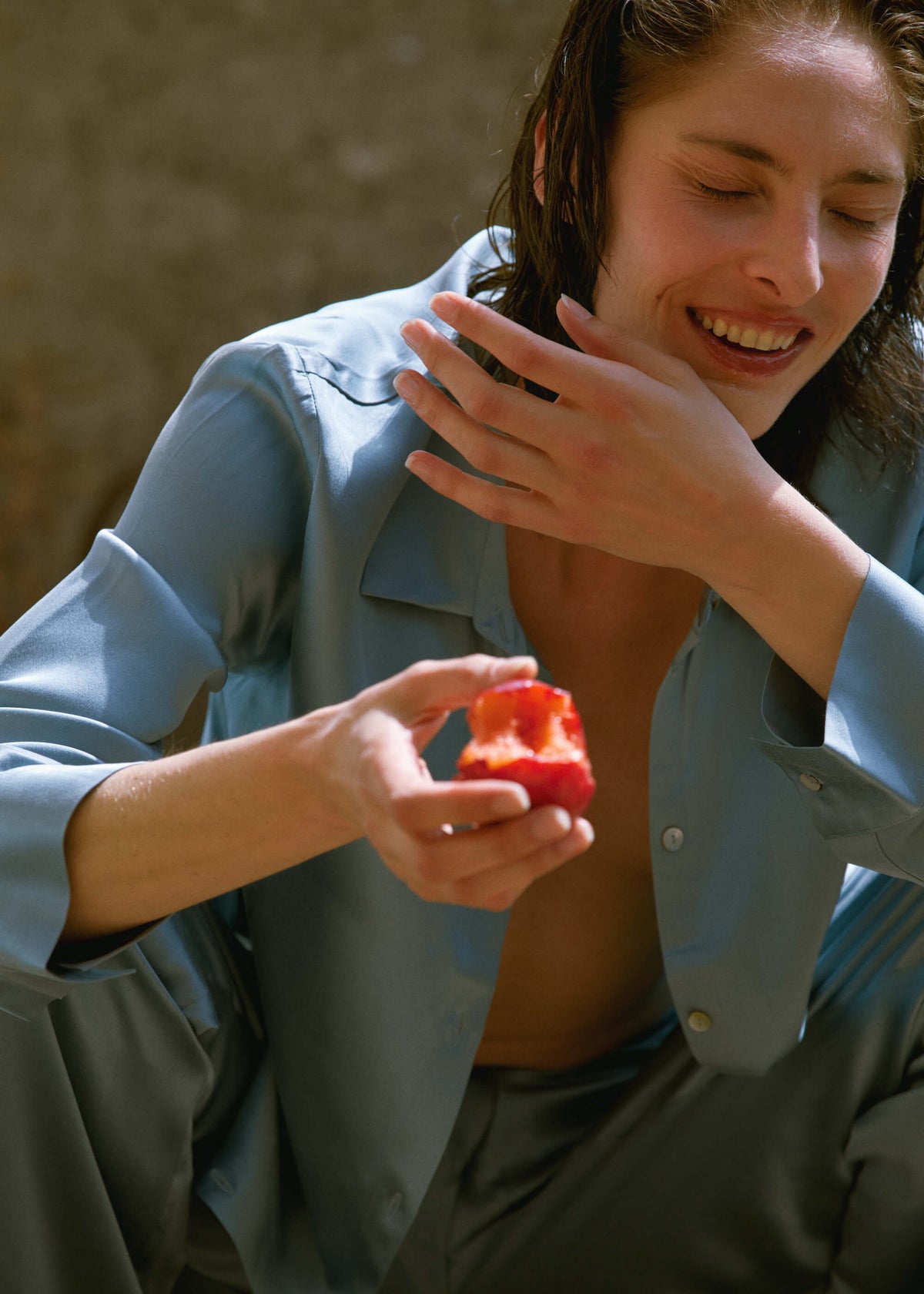
Begin with the pyjama top: choose the dominant colour in the print as your anchor. Add a single contrasting piece as the statement, and reserve a neutral for the largest area to keep the look grounded and coherent. Use the colour wheel as a guide: select analogous shades for a calm, harmonious effect, or the direct opposite for a modern, punchy contrast. Hold garments up in natural light to judge which colours flatter your skin tone. Echo a small hue from the print in an accessory, such as a bag, belt, or shoe, to make the styling feel considered. Match accessory scale to the print: a slim belt suits a fine repeat, while a chunkier shoe balances a bolder motif.
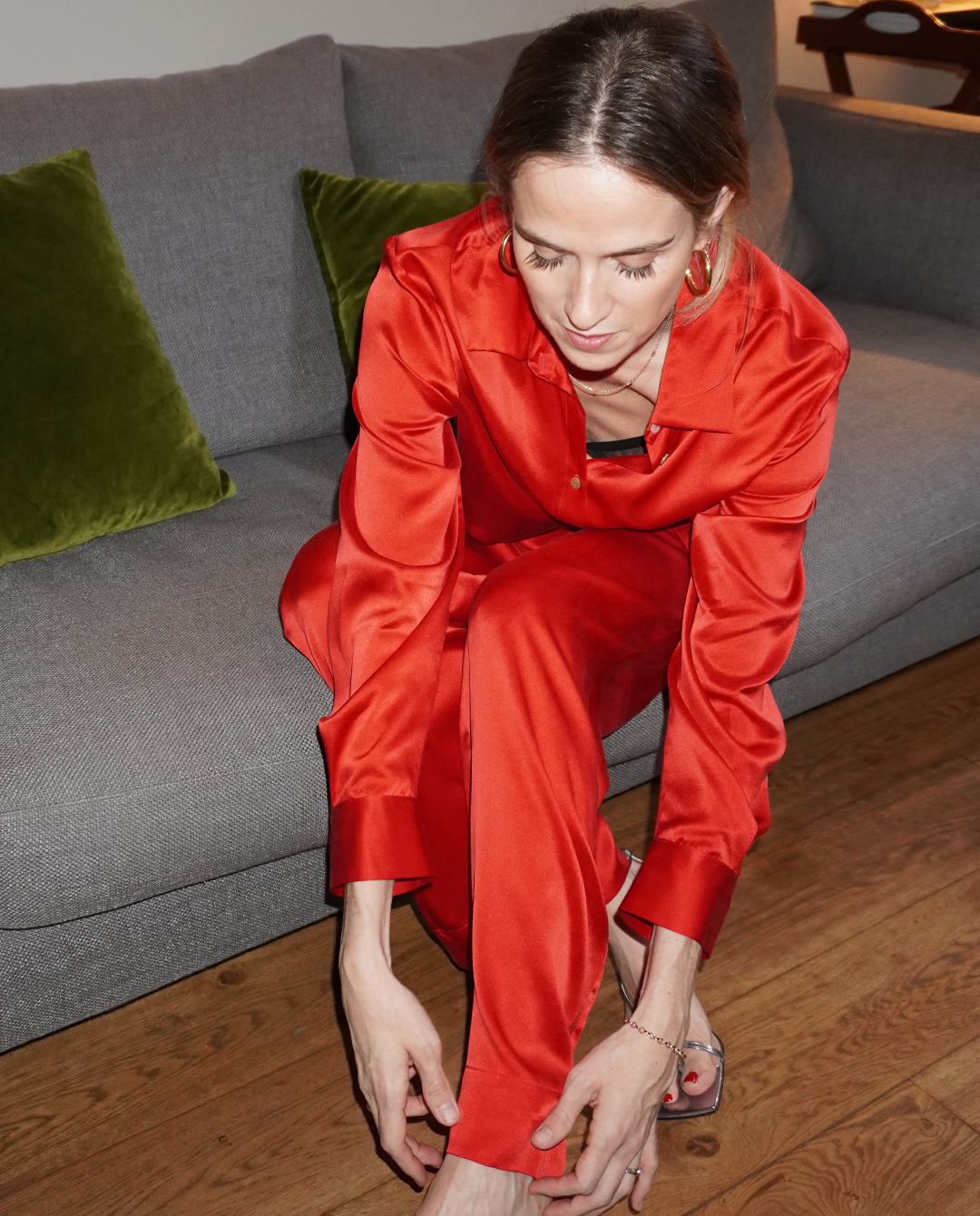
Control perceived colour intensity through proportion. Place brighter, saturated colours in small doses close to the face or as accents, and let muted, neutral pieces occupy larger surfaces for daytime wear. Use texture and finish to change how colour reads: matte fabrics soften vivid hues, while satin, patent, and metallic finishes amplify them. This lets you modulate an outfit's visual weight without altering the palette, so a quiet base with a single glossy accent feels considered rather than loud. When unsure, view combinations in natural light, assess balance from a few paces away, and note where the eye settles to refine your choices.
Pyjama-top colour recipes, proportion rules, and texture tricks
- Ready-to-wear formulas: Anchor the outfit with the print's strongest colour on the pyjama top, choose one contrasting statement piece, and let a neutral occupy the largest area. Try combinations you can copy: cerulean pyjama top, terracotta blazer, oatmeal trousers; blush pyjama top, navy jacket, stone jeans; emerald pyjama top, camel coat, charcoal trousers. Echo a small hue from the print in a bag, belt, or shoe to make the look deliberate.
- Proportion and placement rules: Put saturated, high‑impact colours in smaller doses near the face or as accents, and let neutrals cover roughly 60 to 80 percent of the visible surface area. Reserve statement pieces for about 10 to 25 percent of the outfit depending on occasion, place brighter accents in the top third of the body to direct attention, and match accessory scale to print repeat, for example slim belts and fine jewellery with delicate repeats, chunkier shoes and wider belts with bolder motifs.
- Material, texture and finish playbook: Use matte, brushed, or woven fabrics to soften vivid colours, and swap silk or satin for cotton or linen to mute intensity. Introduce one shiny or textured element, such as patent shoes, a metallic bag, or velvet loafers, to amplify a hue without adding more colour. Always check combinations in natural light, note where the eye is drawn, then tweak placement or finish to balance volume.

How to balance proportions with thoughtful, versatile layering
Manage volume by tucking the front of a flowy, printed pyjama top into high-waisted trousers or a pencil skirt, or by knotting the hem to create a defined waist so the top reads as intentionally styled. Introduce a structured outer layer, such as a blazer or short coat, to counterbalance the soft drape and reposition the print as a considered outfit element. Position a belt at the natural waist, or lightly cinch a jacket, to clarify proportions and prevent a loose top from overwhelming the frame.
Pair cropped or waist-grazing tops with longer bottoms, or layer a longline waistcoat or coat over a shorter pyjama top to elongate the torso or the leg, depending on placement. Balance scale by contrasting weight and texture: pair a silky print with heavier, matte fabrics, such as denim or structured cotton, which adds visual weight. Choose collars or open necklines to draw the eye to the face, lessening loungewear associations. Together, these techniques let a printed pyjama top read as an intentional daytime piece through considered proportions, texture, and focal points.

Complete your look with considered accessories, refined footwear, and versatile outerwear
Tuck a printed pyjama top into high-waisted trousers or a skirt, then thread a medium-width belt at the natural waist to restore structure. This anchors the fluid fabric, balances volume, and defines the waistline. Let footwear set the outfit’s tone: pointed flats or block-heeled ankle boots lengthen the leg and sharpen a relaxed top, while loafers or pared-back trainers give a more casual feel. Select one colour from the print for a bag or scarf, and keep the remaining pieces neutral so the pattern remains the focal point.
Choose outerwear that introduces contrast in texture and structure. A tailored blazer or structured coat lends polish, while a cropped jacket preserves a tucked waist. Match the coat length to the pyjama top hem so the overall silhouette stays balanced. Layer jewellery to suit the neckline: delicate chains or a single pendant for open collars, and bolder cuffs or statement earrings for closed necklines. Balance the weight and number of metal pieces with the density of the print so accessories enhance, rather than overwhelm, the ensemble.
Small adjustments to pattern, texture, and fit, paired with a considered colour story and deliberate layering, can transform a printed pyjama top from nightwear into a purposeful daywear look. Those choices anchor the piece, clarify proportion, and control how bold or quiet the look reads.
To put this advice into practice, begin by reading the fabric and silhouette and naming the mood and occasion. Then refine the colour, proportion, and finishing details so each decision supports how you want the outfit to communicate. Test combinations in natural light to reveal true colour and drape, observe movement and fit as you layer, and complete the look with a single focal accessory so you step out feeling purposeful and confident rather than unconsidered.

Leave a comment
This site is protected by hCaptcha and the hCaptcha Privacy Policy and Terms of Service apply.